
February 5, 2026
For the first time, we will live in a world without constraints on the US-Russian nuclear arsenal.
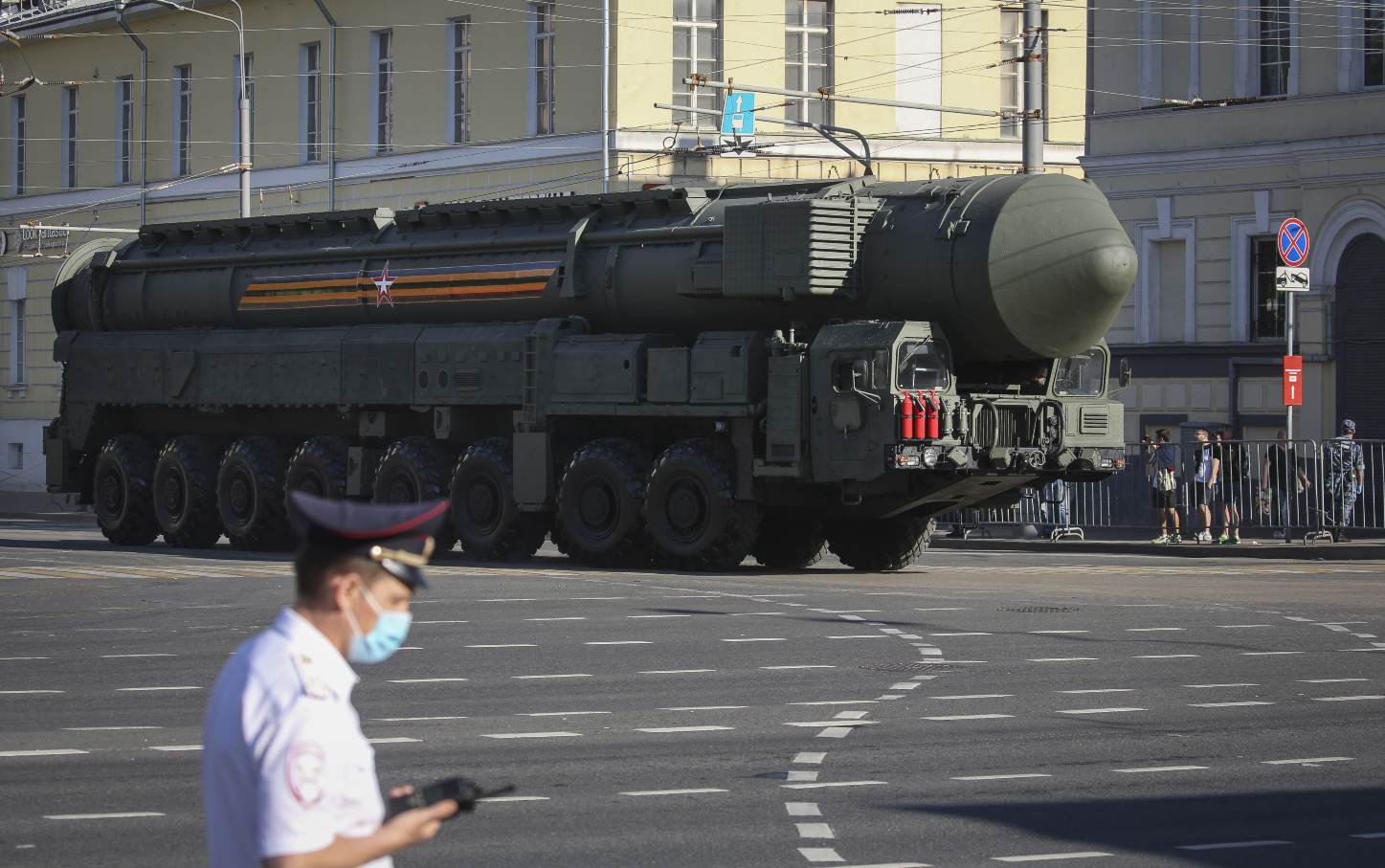
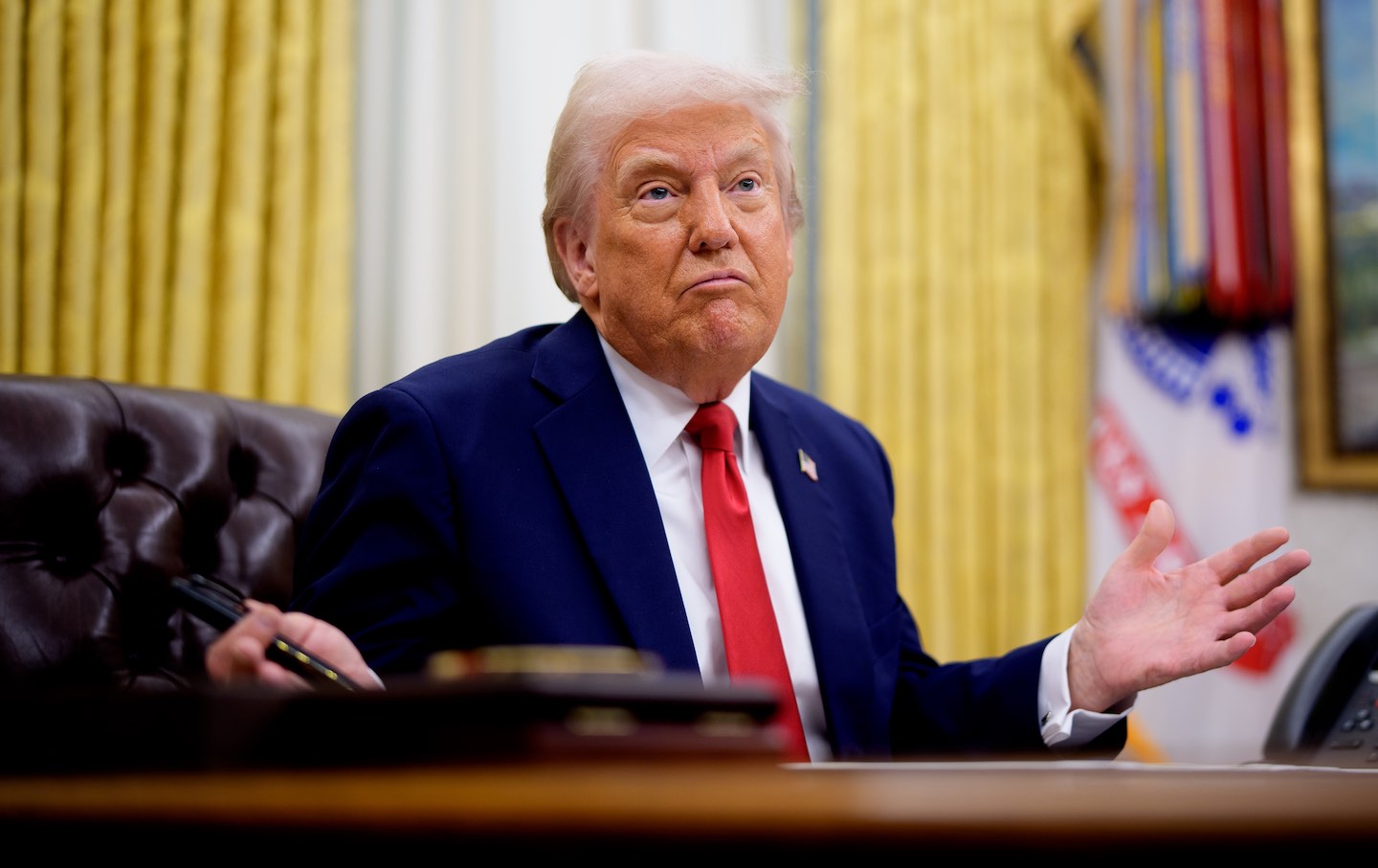
“If it expires, it expires” is a reasonable way to manage a week-old gallon of milk—not a treaty designed to stave off a potentially apocalyptic nuclear conflict between Russia and the US
And yet, this was President Trump’s response when asked about the New Strategic Arms Reduction Treaty (New START), which lapses today. It was the last nuclear arms agreement between the two countries.
For the first time since the Cold War, we find ourselves in a world without constraints on nuclear proliferation among global superpowers. It is no wonder the Bulletin of the Atomic Scientists, founded by Albert Einstein and J. Robert Oppenheimer in 1947, has shifted its symbolic Doomsday Clock to the closest it has ever been to midnight: just 85 seconds.
Current Issue
The expiration of New START marks the end of over five decades of continuous arms control efforts between Washington and Moscow. With the Strategic Arms Limitation Talks (SALT)—called for by President Johnson in 1967 and culminating with President Nixon and Soviet General Secretary Brezhnev signing the Anti-Ballistic Missile Treaty in 1972—the United States and the Soviet Union began to more openly dialogue for the sake of de-escalation.
President Reagan and General Secretary Gorbachev signed the Intermediate-Range Nuclear Forces Treaty (INF) in 1987, banning a whole class of nuclear weapons entirely. In 1991, President Bush and Gorbachev agreed to the landmark Strategic Arms Reduction Treaty (START I), resulting in the disarmament of 80 percent of the world’s nuclear weapons over the next decade. A series of follow-up agreements eventually led to Presidents Obama and Medvedev signing New START in 2011, capping each side at 1,550 strategic nuclear warheads. That treaty was last renewed in 2021 by Presidents Biden and Putin.
These agreements are in no small part why the world’s stockpile of nuclear weapons has fallen from its peak of 70,300 in 1986 to roughly 12,300 today.
But since the turn of the century, a once-bipartisan commitment to diplomacy has slowly been undermined by increasingly jingoistic Republican administrations. In 2002, John Bolton persuaded President George W. Bush to withdraw from the Anti-Ballistic Missile Treaty in the name of fighting terrorism. Trump doubled down on this doctrine during his first term, pulling the US out of the INF and the Open Skies Treaty.
But Trump II almost makes Trump I look like the Nobel Peace Prize winner he yearns to be. In addition to ditching New START, he has gutted the State Department of its nuclear diplomats and ordered the resumption of nuclear testing for the first time in more than thirty years. Surprise: Putin then threatened to do the same.
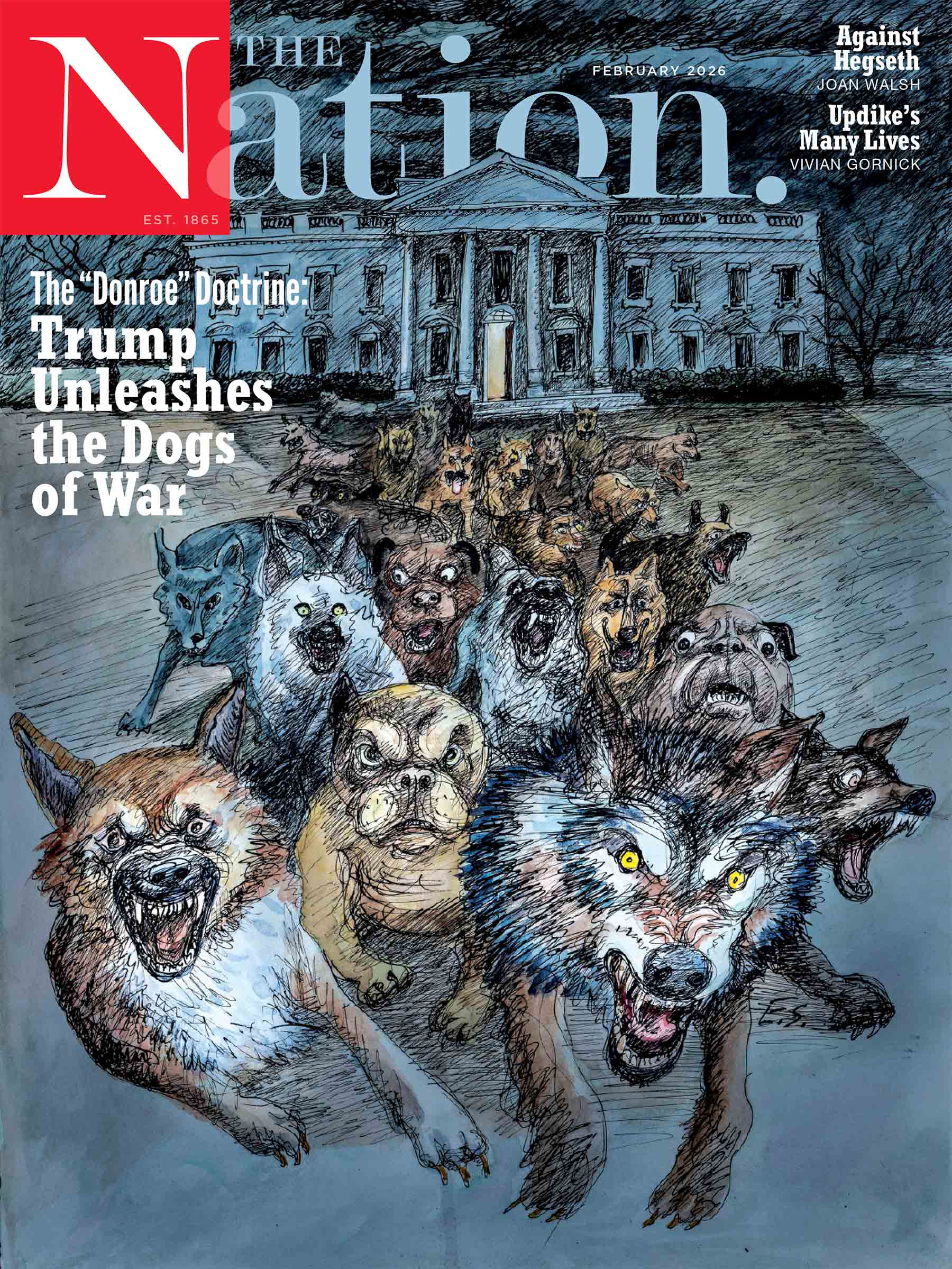
And this is to say nothing of Trump’s reckless posture toward foreign policy writ large. From abducting the president of Venezuela to threatening an invasion of Greenland, he seems hell-bent on alienating America’s allies and antagonizing our adversaries. As we return to a global landscape with no guardrails on man’s most dangerous weapons, Trump has made America the bull in the geopolitical china shop.
Our current foreign policy doctrine is so destructive that even America’s closest ally has taken the exceedingly rare step of speaking out against it. As Canadian Prime Minister Mark Carney told the World Economic Forum last month, we have reached “a rupture in the world order, the end of a pleasant fiction and the beginning of a harsh reality.”
So what will it take to come back from the brink? The scientists behind the Doomsday Clock have issued their call to the relevant world leaders: Keep the dialogue of nuclear nonproliferation alive. End the vicious cycle of us versus them.
But short of a come-to-Jesus moment from the president—whose favorite Bible verse is “an eye for an eye”—the responsibility for salvaging what’s left will fall to the rest of us. It will take the courage of other leaders, an engaged media, and an informed citizenry to fight to keep the goal of disarmament and, eventually, abolition alive.
As the agreement’s expiration reminds us, time only marches forward. But the Doomsday Clock can be set back. Throughout the 1980s, millions around the world applied pressure on the superpowers by participating in anti-nuclear demonstrations. In 1987, the INF was signed—inspiring the Bulletin of Atomic Scientists to wind its clock of catastrophe backwards. As the Bulletin itself put it in 1988, “protests yield progress.”
Popular
“swipe left below to view more authors”Swipe →
In 1990, they shifted the clock back even further, as the Iron Curtain fell. Then, too, in attributing the cause of humanity’s return to a safer world, the Bulletin cited global activism. And by 1991, in the wake of the START agreement, the Bulletin turned back the minute hand the furthest it had ever been, before or since: 17 minutes to midnight. (The Doomsday Clock’s founders designed it on a 15-minute scale.)
With the bevy of other disasters facing America and the world, it may seem impossible to recreate the degree of mass mobilization around nuclear disarmament that the Cold War era inspired. But as I heard former Soviet leader (and Nobel Peace Prize winner) Mikhail Gorbachev say on many occasions: “If we don’t attempt what seems impossible, we will risk facing the unthinkable.”
From Minneapolis to Venezuela, from Gaza to Washington, DC, this is a time of staggering chaos, cruelty, and violence.
Unlike other publications that parrot the views of authoritarians, billionaires, and corporations, The Nation publishes stories that hold the powerful to account and center the communities too often denied a voice in the national media—stories like the one you’ve just read.
Each day, our journalism cuts through lies and distortions, contextualizes the developments reshaping politics around the globe, and advances progressive ideas that oxygenate our movements and instigate change in the halls of power.
This independent journalism is only possible with the support of our readers. If you want to see more urgent coverage like this, please donate to The Nation today.
More from The Nation
The arbitrary arrests and killings committed by agents of Trump’s authoritarian-style rule differ only in number, not in kind, from those in Iran.
Juan Cole
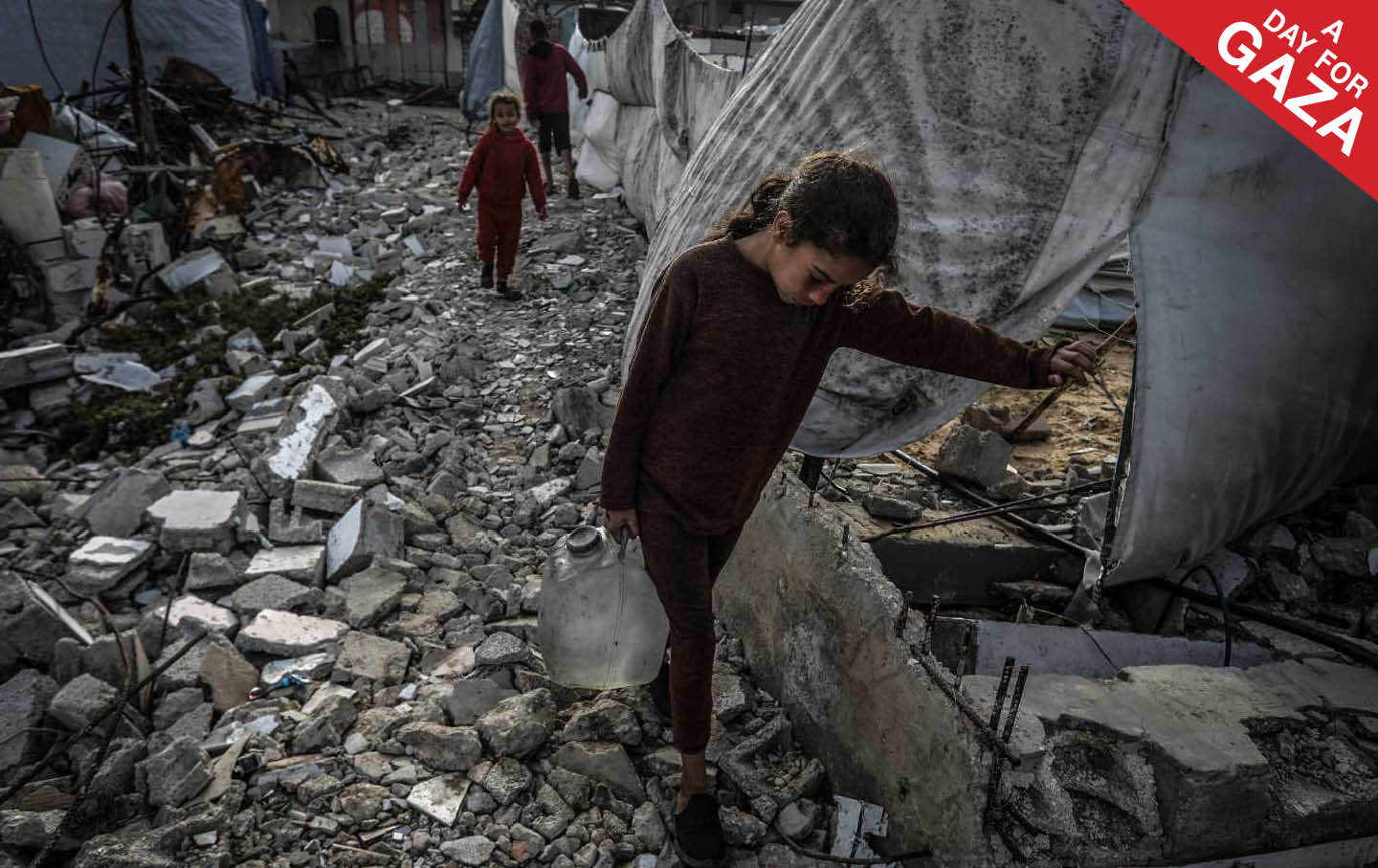
The language of ceasefire has been repurposed in Gaza: It no longer describes a pause in violence but rather a mechanism for managing it.
Mohammed R. Mhawish

These pictures are records of a genocidal war, but they are something more, too—they are fragments of Gaza itself
Huda Skaik
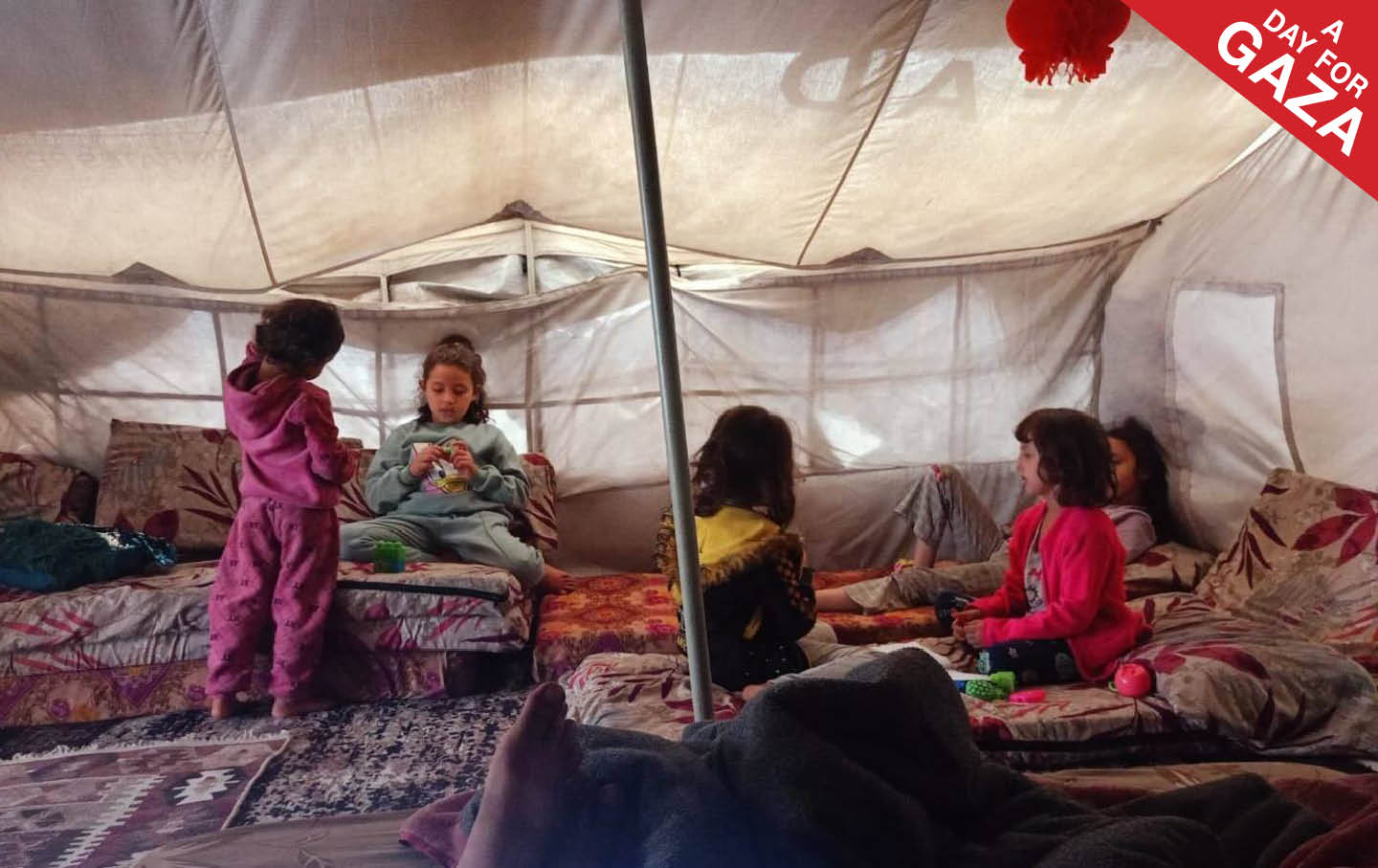
After their home was obliterated, Rasha Abou Jalal and her family remain determined to build a new one, even if it must be built out of nothing.
Rasha Abou Jalal


