Harmful chemicals lurk in extensions and braiding hair marketed to Black women, study finds


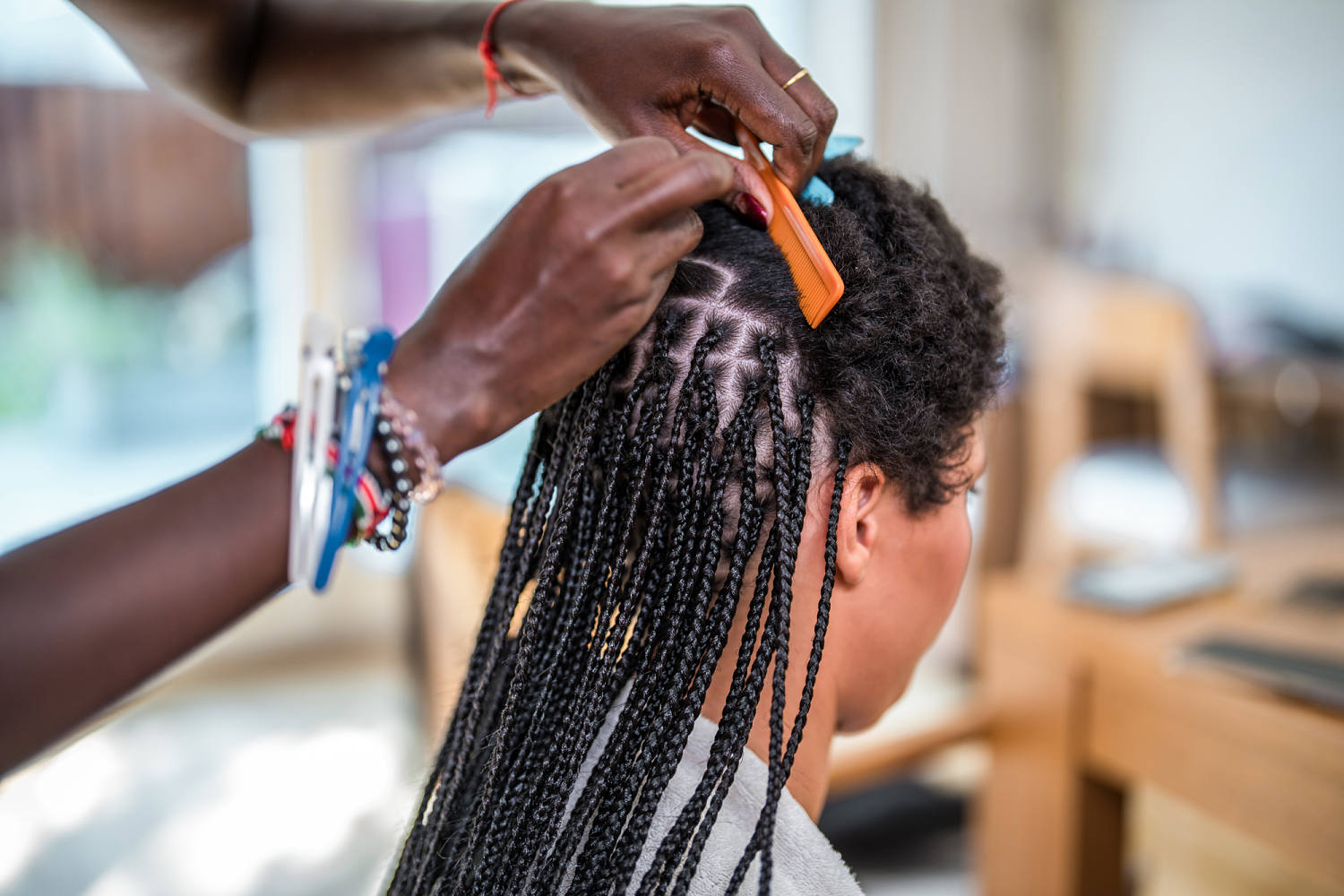
The same chemicals found in pipes, pesticides and floor tiles are also found in some wigs, braids and hair extensions, according to a new study published Wednesday in the journal Environment & Health.
Researchers at the Silent Spring Institute, a nonprofit scientific research organization based in Massachusetts, tested 43 hair extension products purchased online and at local beauty stores and identified 169 chemicals present in total, including dozens of harmful substances such as flame retardants, pesticides and compounds used to stabilize plastics.
A dozen compounds discovered are listed in California’s Proposition 65, known as the Safe Drinking Water and Toxic Enforcement Act of 1986, which warns residents about chemicals known to cause birth defects, cancer and reproductive harm. Additionally, 17 compounds associated with breast cancer were found in 36 samples tested, the researchers said.
In recent years, researchers across the country have been sounding the alarm about harmful hair products, many of which are used and marketed to black women. Consumer Reports revealed last year that carcinogens were found in samples of 10 popular brands of synthetic braids. Nine of the ten samples also tested positive for lead.
Chemical relaxers also pose risks. The 2023 Black Women’s Health Study found a 50% increased risk of uterine cancer among postmenopausal Black women who used chemical relaxers more than twice a year or used the products for more than five years, compared to a cohort who rarely or never used relaxers. And a 2022 study from the National Institute of Environmental Health Sciences found that women who used hair straighteners more than four times a year had more than double the chance of developing uterine cancer as those who didn’t use these products. (Uterine cancer accounted for about 3% of new cancer cases in the United States in 2025.)
Harsh chemicals found in synthetic braided hair and other hair extensions can be absorbed into the scalp, causing irritation, burning and redness, according to Dr. Chris Pernell, director of the NAACP Center for Health Equity. They can also be inhaled – especially when heated during styling – and absorbed through the hands.
Pernell, who was not involved in the new research, said in an email that braiders or stylists may be at greater risk for skin absorption through hands and fingers, “due to continued handling of products, which they may transfer to their mouth and face while eating.”
She said the long-term impact of exposure to chemicals via hair extensions requires further research.
“Although some of these compounds are known to be carcinogenic, such as benzene, or have neurotoxicity like lead, it is unclear whether these chemicals in hair products lead to cancer or neurological disorders,” she said. However, the fact that these chemicals are present in commonly used products and pose a danger “merits attention, investigation and regulation.”
Dangerous hair
The new study tested 43 synthetic and human hair products. Human hair was classified as raw (unprocessed) or virgin (minimally processed); several types of synthetic hair were included, as well as mixed synthetic and human hair, called mastermix.
Elissia Franklin, a researcher at the Silent Spring Institute and lead author of the new study, said 41 of the 43 products tested contained dangerous chemicals. The two products deemed safe, Black-owned brands Rebundle and Latched & Hooked, were labeled as “non-toxic” or “non-toxic.”
The study also compared its results to chemicals listed in the PlastChem database, an international scientific initiative that classifies chemicals in plastic. Several samples contained chemicals that PlastChem considers hazardous, particularly in raw, virgin and mixed hair samples.
Among the chemicals identified were benzyl chloride, a compound used in the production of disinfectants and plasticizers that is possibly carcinogenic and can harm the lungs and digestive tract.
Seventeen of the chemicals identified were linked to breast cancer, including dibutyl phthalate and DEHP, both of which are used to increase the flexibility of plastics.
Four samples tested contained 23 so-called organotin compounds. These samples contained “unspecified” synthetic hair, according to the study.
“It’s the organotin compounds that stood out to us, particularly because they’re not commonly found in consumer products,” Franklin said. “It’s used in polyvinyl chloride (PVC) as a stabilizer. However, we know they’re also linked to cancer and hormonal disruptions, and they’re really bad for the environment.”
Lariah Edwards, a research associate at Columbia University’s Mailman School of Public Health, said this was the first time she had heard of organotins in hair extensions.
“It’s really concerning,” she said, particularly when it comes to endocrine disruptors, which studies have shown are linked to obesity and birth defects.
For Black women, hair braiding is often considered a protective style: It allows hair to grow and gives it a break from relaxers, Edwards said.
“Finding out that this style also exposes them to toxic chemicals is truly unfortunate,” Edwards added, calling the findings “Catch 22 for Black women.”
Pressure for legislation
More research is needed to determine the exact routes of exposure to chemicals in hair extensions, Franklin said. The responsibility, however, lies with companies, which must eliminate chemicals from their products. According to the Silent Spring study, hair extension products rarely reveal chemical ingredients on their packaging.
At the legislative level, certain efforts are moving in a positive direction. Last summer, Rep. Ayanna Pressley, D-Mass., along with three other members of Congress, reintroduced the Safer Beauty Bill Package to expand the Food and Drug Administration’s cosmetics regulations. One of the four bills in the package includes the Protecting Cosmetic Safety for Communities of Color and Salon Workers Act.
In 2023, the FDA proposed banning the use of formaldehyde in chemical relaxers. Since then, however, the agency has missed four deadlines to act, including the most recent, Dec. 31, 2025. Some changes are also happening at the local level. New York State Assembly Bill 2025-A7001 requires hair extensions, wigs and braids containing toxic chemicals to be labeled with a warning.
For people concerned about their hair extensions, braided hair and wigs, Franklin advised looking for brands that call themselves non-toxic or non-toxic. She also suggested a possible home remedy commonly found in kitchen cabinets: apple cider vinegar.
“We think rinsing your hair with apple cider vinegar might reduce the amount of chemicals in your hair – but it’s limited,” she said.
Pernell, director of the NAACP Center for Health Equity, said people can also limit how often they wear synthetic braids or hair extensions and look for safer alternatives, including plant-based products. She also stressed the importance of defending consumer rights and the demand for safer products.
“Consumer advocacy plays a critical role in health advocacy,” Pernell said. “Just as we fight for clean air, safe streets, access to green spaces, and healthy, affordable food, the public and historically marginalized communities, in particular, have the right not to bear the disproportionate risks associated with consumer products. »