Health Care Groups Aim To Counter Growing ‘National Scandal’ of Elder Homelessness


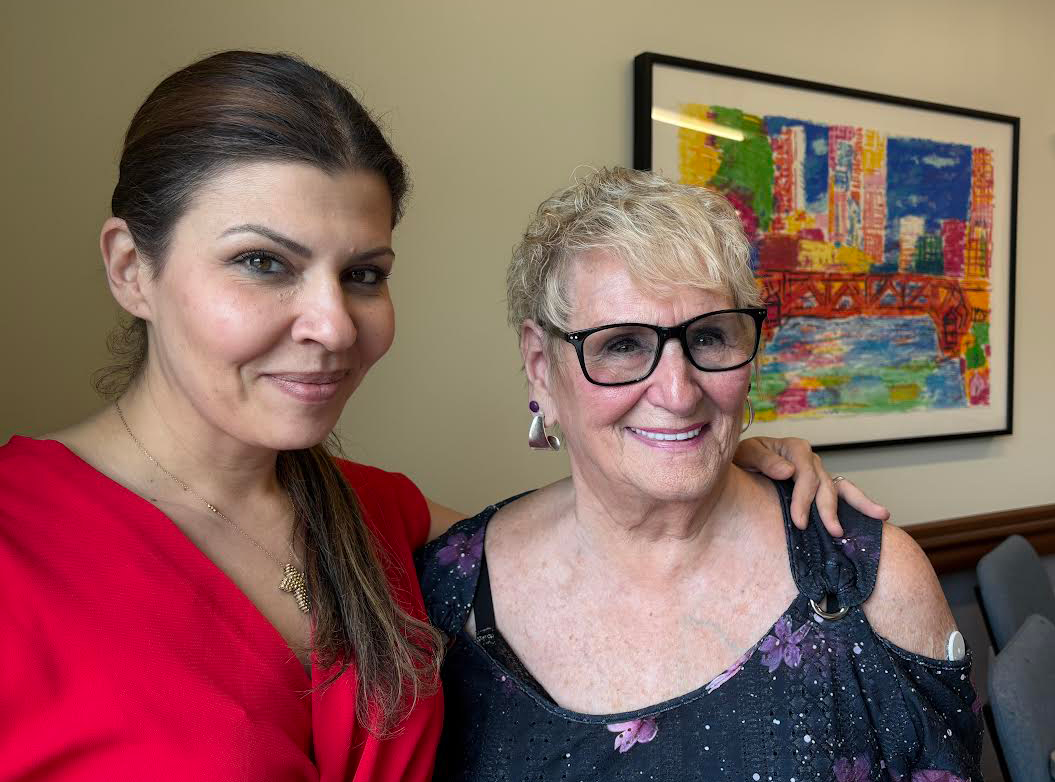
Bristol, Ri – at 82, Roberta Rabinovitz realized that she had no place. Widowed, she had lost her two daughters because of cancer, after having lived with one and then the other, treating them to their death. She then moved with her brother to Florida, until her death.
And so last fall, when he recovered from lung cancer, Rabinovitz ended up at her grandson in Burrillville, Rhode Island, where she slept on the sofa and had trouble sailing on the stiff staircase to the shower. It was not durable, and with rents of apartments out of reach, Rabinovitz joined the growing population of older Americans, uncertain of the place where to put their heads at night.
But Rabinovitz was lucky. She found a place to live, through what may seem an improbable source – a non -profit organization for health care, the Pace of Rhode Island organization. Throughout the country, the organization of housing is a relatively new and growing challenge for these rhythm groups, which are funded by Medicaid and Medicare. PACE represents an all -inclusive care program for the elderly, and organizations aim to keep the elderly fragile at home. But a patient cannot stay at home if he doesn’t.
As the costs of housing increase, organizations responsible for the medical care of people realize that to ensure that their customers have a place to live, they must venture outside their ways. Even hospitals – in Denver, New Orleans, New York and elsewhere – have started to invest in housing, recognizing that health is not possible without it.
And in the elderly, the need is particularly growing. In the United States, 1 in 5 people who was homeless in 2024 was 55 years or more, the total population of older homeless on 6% compared to the previous year. Dennis Culhane, professor at the University of Pennsylvania, specializing in homelessness and housing policy, calculated that the number of men over the age of 60 living in tripled shelters from 2000 to 2020.
“It is a national scandal, truly, that the richest country in the world would have elderly and disabled people who have devoid,” said Culhane.
During the decades of research, Culhane documented the fate of people born between 1955 and 1965 who reached age during the recessions and never obtained economic foot. Many in this group have endured intermittent homelessness throughout their lives, and now their problems are aggravated by aging.
But other homeless people are new in experience. A lot of stockings on the edge of poverty, said Sandy Markwood, CEO of Usaging, a national association representing what are called regional agencies on aging. A single incident can tip them over the homeless – the death of a spouse, job loss, increase in rents, injury or illness. If the cognitive decline begins, an elderly person can forget to pay his mortgage. Even those who have paid houses often cannot afford an increase in property taxes and maintenance.
“No one imagines no one living in the street at 75 or 80,” said Markwood. “But they are.”
The recent Budget Law of President Donald Trump, which leads to substantial federal discounts in Medicaid, the public insurance program for low -income or disability, will aggravate things for the elderly with limited income, said Yolanda Stevens, program analyst and politics with the National Alliance to end the roaming. If people lose their health coverage or their local hospital closes, it will be more difficult for them to maintain their health and pay the rent.
“It’s a perfect storm,” said Stevens. “It is an unhappy and devastating storm for our older Americans.”
Adding to the challenges, the Labor Department recently interrupted a vocational training program intended to keep the elderly at low income on the labor market.
These circumstances have sent PACE health plans across the country in unexplored waters, encouraging them to settle in housing projects for the elderly, to associate with housing suppliers or even to unite their forces with non -profit developers to build theirs.
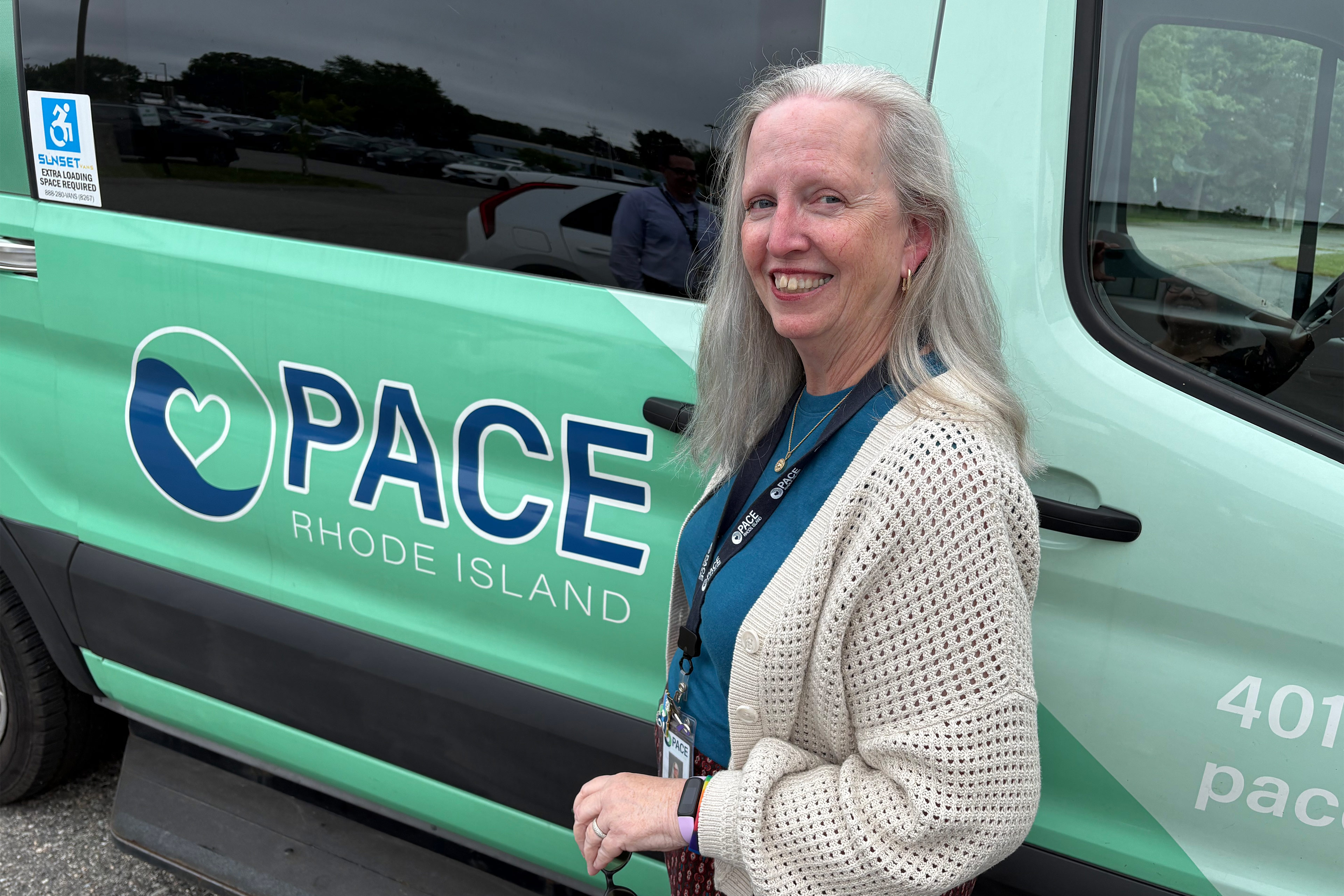
A 1997 federal law recognized PACE organizations as a type of supplier for Medicare and Medicaid. Today, around 185 operate in the United States, each serving a defined geographical area, with a total of more than 83,000 participants.
They register people aged 55 and over who are sick enough for nursing home care, then provide everything their patients need to stay at home despite their fragility. They also run centers that work like medical clinics and day centers for adults and provide transportation.
These organizations mainly serve poor people with complex medical conditions which are eligible for Medicaid and Medicare. They pool money from the two programs and operate in a budget defined for each participant.
PACE officials fear that, as federal funding for Medicaid programs is shrinking, states reduce support. But the PACE concept has always had bipartite support, said Robert Greenwood, main vice-president of the National Pace Association, because its services are much cheaper than nursing home care.
The financing structure gives pace the flexibility to do what it takes to keep the participants to live alone, even if it means buying an air conditioner or taking a patient’s dog from the veterinarian. Taking the housing crisis is another step towards the same objective.
In the Detroit region, Pace Southeast Michigan, which serves 2,200 participants, associates with housing owners for the elderly. The owners agree to keep the loss affordable, and PACE provides services to their tenants who are members. Housing suppliers “like to be full, they like their elderly people who take care, and we do all of this,” said Mary Naber, president and chief executive officer of Pace Southeast Michigan.
For participants who become too infirm to live alone, the organization of Michigan has rented a wing in an independent life center, where it provides support care 24 hours a day. The organization is also associated with a non -profit developer to create a group of 21 shipping containers converted into small houses in Eastpointe, just outside Detroit. Also in the planning steps, said Naber, the renovated containers will probably rent around $ 1,000 to $ 1,100 per month.
In San Diego, the PACE program of St. Paul’s Senior Services takes care of the homelessly homeless as they move into housing, offering not only health services, but the safeguard had to keep tenants at home, such as advice on the payment of invoices in time and the maintenance of their own apartments. St. Paul’s also helps people already in housing, but clinging to precarious life agreements, said Carol Castillon, vice-president of his pace operations, connecting them to community resources, helping to fill the forms for housing assistance and providing meals and household items to reduce expenses.
In Pace, Rhode Island, which serves nearly 500 people, around 10 to 15 participants becomes homeless or at risk of homelessness, said CEO Joan Kwiatkowski.
The organization contracts with assisted living establishments, but its participants are sometimes rejected due to the case of criminal records, consumption of substances or health care needs that establishments think that they cannot manage. And social housing suppliers often have no opening.
Pace Rhode Island therefore plans to buy your own accommodation, said Kwiatkowski. PACE also reserved four apartments in an assisted life establishment in Bristol for its participants, paying rent when they are unoccupied. Rabinovitz has moved recently.
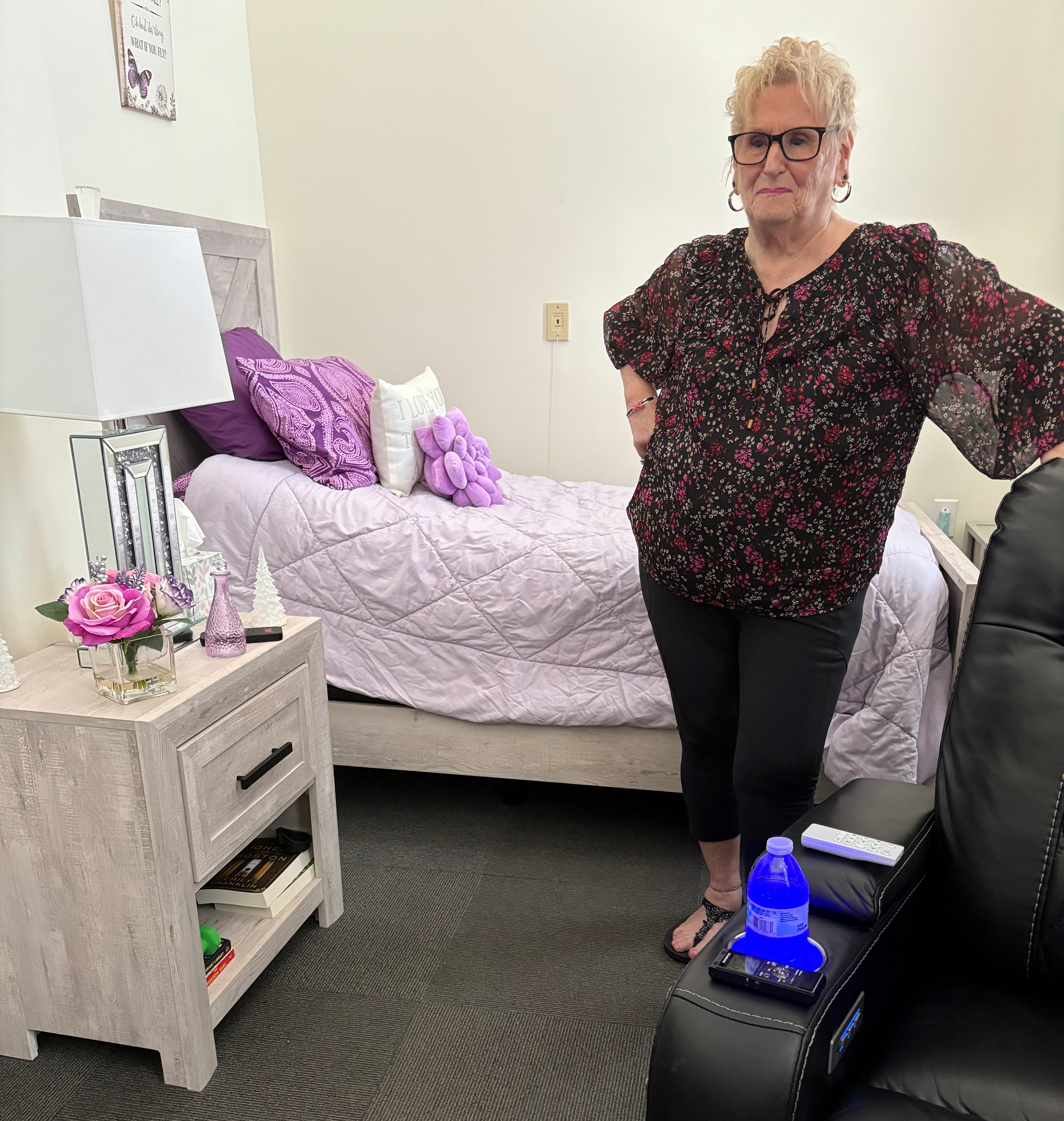
Rabinovitz had worked as a higher credit analyst for a health care company, but now his only income is his social security check. She keeps $ 120 of this check for personal supplies, and the rest goes for rental, which includes meals.
Once a week about a week, Rabinovitz goes up a van at a rate to the center of the organization, where she gets medical care, including dental work, physiotherapy and medicines-she always said, “incredibly loving people”. When she doesn’t feel good enough to do the trek, Pace sends her someone. Recently, a technician with a portable X -ray machine scored her painful hip while she was lying in her own bed in her new studio apartment.
“It’s tiny, but I love it,” she said about the apartment, that she is decorated in purple, her favorite color.


