Here’s the Easiest Way to Speed Up Your Old Smart TV


If your smart TV is starting to feel sluggish, like apps taking forever to load, frustrating menu lags, and generally acting like it needs a long nap, you’re not alone. Before you start planning a weekend trip to the big box store or resign yourself to a painfully slow browsing experience, take a moment to work on TV yourself.
You might be able to breathe some serious new life into that old smart TV with a fix that’s a lot simpler and cheaper than you think. You can actually return your existing TV to more and more, more and more of its former glory. There are accessible and affordable ways to dramatically improve the performance of your old smart TV so you can simply enjoy your entertainment without the constant delays.
Clear digital clutter

Kris Henges / Geek.
If you’re using an older smart TV, you need to be proactive about maintaining the system to make it feel fast and responsive. These TVs are essentially computers running on hardware that was often designed to minimum specifications when they were built. The main parts, the processor and memory, are generally well underpowered compared to our phones or laptops, especially if you have a mid-range or budget model, making them super vulnerable to digital accumulation slowdown.
So, regular maintenance is crucial, and it all starts with the absolute golden rule of technical troubleshooting: a simple reboot or restart. Restarting your TV is the easiest way to free up your
RAM and resources, closing background applications and processes that have piled up and are probably hogging the system. Smart TVs, especially Android TVs, tend to stay on for ages unless you unplug them or manually reset them, allowing all the processes to pile up.
Beyond restarting, you should also manually clear your temporary files. Like any modern computing device, your smart TV uses a dedicated cache. A cache is a temporary storage area for data, which it often uses to make things work faster, like making apps load faster when you first open them.
This cached data includes things like app tiles, frequent items, and sometimes even login details. Over time, this cache becomes huge or becomes cluttered and corrupted, and it turns from a useful shortcut into a big source of system damage. This buildup starts to slow everything down, leading to that annoying input lag, slow browsing, apps freezing mid-st, or content that won’t load properly.
Clearing your cache reclaims valuable internal storage space and gives your TV a fresh, optimized base from work. You should do this regularly, like every few months, or right away if you notice things getting slow, or if you get a low storage warning.
Besides managing these temporary files, you definitely can’t forget to uninstall unused apps. Since smart TVs typically operate with limited storage and RAM built directly into the motherboard, managing the apps you have installed is a necessary step to free up valuable resources and space.
Additionally, digital clutter can be stored in media files like movies, videos, or gaming content. It is essential to delete these redundant files or move them to external storage, like a USB drive, to optimize performance on devices with limited storage.
Optimizing and disabling hidden resource hogs

Just like computers, smart TVs come straight out of the box loaded with default features, flashy visual animations, and a ton of pre-installed garbage, which we often call bloatware. All these extra things immediately start eating up your TV’s limited processor power and internal memory. Since processors in smart TVs, especially mid-range and budget ones, are often designed to only meet minimum requirements, all that extra work slows everything down.
This is what causes that annoying input lag, unresponsive menus, and general sluggishness, which is especially noticeable if you have an older model. To speed up your TV, you basically have to surgically remove or disable those resource-hungry bits that are just there to drain your performance.
One really easy and effective thing you can do right away is to fix settings that are actually meant to slow things down, like power saving mode. This mode, which is sometimes called “Eco mode,” intentionally reduces the processing power and quality of your device to save just a little bit of power. If you’re going for maximum performance and don’t care about tiny power savings, you should ditch Power Saving Mode by turning off this feature in your TV’s settings.
This simple adjustment instantly gets your processor running at full speed. Additionally, even though modern Smart TV interfaces look great with their smooth transitions, these smooth animations come with a performance cost because rendering them requires additional GPU power.
If you have an older or struggling device, turning off unnecessary visual effects or setting the animation level to something lower can make a huge difference in the speed and response of the UI. Disabling these animations, or setting the speed scale to a reduced level, uses less RAM and CPU for purely visual things, making the system feel much faster and load applications much faster.
A truly massive way to increase your system speed is to actively eliminate or disable unnecessary manufacturer channels and bloatware. These are the apps that the TV manufacturer puts on your device before you even bring it home, like Samsung TV Plus or LG channels. These are notorious because they constantly run in the background, consuming resources, taking up internal storage, and actively making your TV software super slow and lagging.
Improve your Internet connection
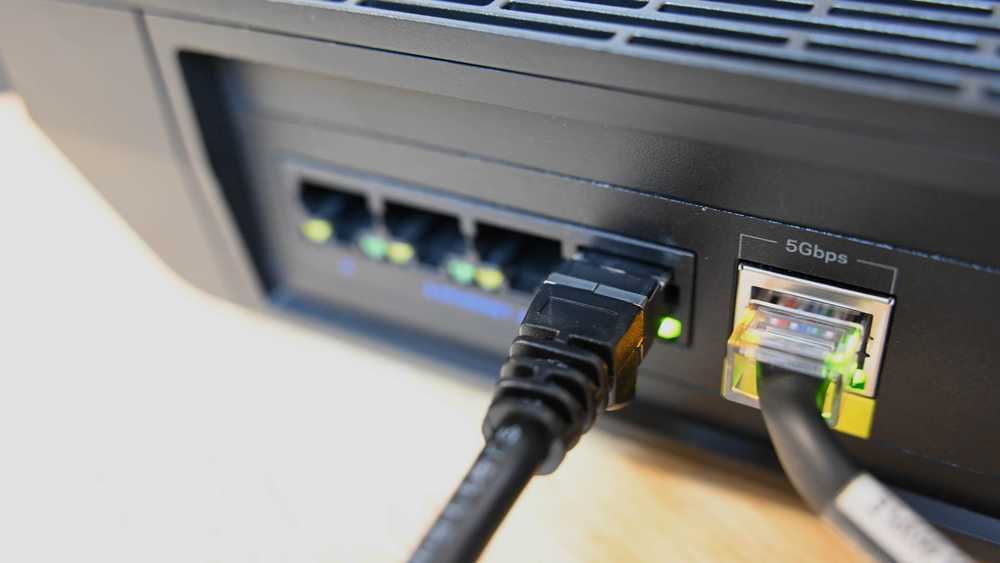
It’s easy to blame your smart TV’s limited hardware, but lag and buffering aren’t always your TV’s fault, especially when you’re streaming. Those persistent performance issues like freezing, choppy playback, or that dreaded spinning buffer wheel are often rooted in limitations with your networking hardware or simply a weak Wi-Fi signal, instead of the internal processing speed of the TV itself.
Smart TVs need a consistent flow of bandwidth to properly deliver content, and anything that messes up that flow, like network congestion from too many devices connected at the same time, or if your router is in a bad location, can seriously impact your viewing experience. If your connection is unstable or just plain slow, this weakness acts as a bottleneck, causing apps to lag because the resources they need take much longer to load.
For the best speed and stability, I always try to use a wired Ethernet connection whenever I can. Connecting your smart TV directly to your Internet router with an Ethernet cable gives you the fastest and most stable connection possible. This direct physical link removes potential Wi-Fi interference, stabilizes everything, and is super useful for requiring stuff like streaming 4K content or when you have multiple devices coming up the network at the same time. While many smart TVs have a built-in Ethernet port, some smart TVs have a built-in network interface card that is surprisingly slow. This NIC is usually capped at around 100 Mbps.
This technical limitation means that even if you pay for a much faster internet plan, the speed you can access through its built-in Ethernet port is still limited to that 100 Mbps cap. To be fair, manufacturers often accept this limitation because most major streaming services, like Netflix, only recommend a regular connection of around 25 Mbps or higher for 4K video.
However, if you’re like me and want maximum stability and faster local network speeds, there’s a great workaround for this built-in hardware bottleneck. You can actually get around this slow built-in network card by using a USB 3.0 to Ethernet adapter plugged into your TV’s USB port.
Invest in a dedicated streaming device

If you’ve tried every software tweak and your TV is still slow, the smartest thing you can do is simply stop relying entirely on that smart built-in operating system. Your best bet is to opt for a dedicated external streaming device. TV makers tend to put all their engineering and marketing energies into making the screen look great or sound decent, leaving the actual processing power of the smart platform as an afterthought.
In stark contrast, a dedicated external streaming device is designed to run streaming platforms quickly, smoothly and responsively. For these devices, performance and processing power are a huge competitive advantage. I use an Amazon Firestick 4K on my 4K Roku TV because it’s faster, and I recommend always getting an external streaming device to avoid speed issues altogether.
Giving your old, older television a new lease on life doesn’t have to be a complicated and expensive project. By just using a few simple fixes, you can bring new life into it without having to drop a bunch of money on a shiny new set. The idea here is that even older technology can be totally optimized with a little thought, allowing you to take a ton more life out of your life and still enjoy all those features you paid for.
It’s also a really great way to power up your devices. Instead of constantly feeling the pressure to upgrade, you can teach yourself how to maintain the electronics you already have. The easiest way to speed up your old smart TV or any device isn’t a single “magic bullet” you buy; It’s a combination of use, regular maintenance and being a little proactive about your electronics.