Hip Fractures Can Signal More Than a Broken Bone in the Elderly — Sometimes with Fatal Consequences


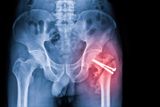
Just as we may not recover from falling off a swing in our 20s or 30s as quickly as we might have bounced back as children, the time and effort required to recover from an injury increases with age. This is especially the case for hip fractures, which are a common but serious injury that an older person can sustain during their lifetime.
As human lifespan increases and populations age, the number of hip fractures among older adults is also expected to increase. In a 2020 study in Clinical orthopedics and traumatologyIt is estimated that around 1.6 million hip fractures occur each year worldwide, and this number is expected to increase to 2.6 million by 2025 and 4.5 million by 2050.
Hip fractures, although they seem harmless, are not as simple as a fracture. Elderly patients can face a multitude of health problems following surgical treatments, with even death a potential risk from the injury itself or post-operative complications.
“Even though the general public is mostly aware that it can be a sentinel event of poor prognosis in older adults, it’s remarkable how many people don’t really appreciate it,” said Howard Chansky, chair of the department of orthopedic surgery and sports medicine at the University of Washington Medicine. Discover. “They might say, ‘Okay, it’s a broken bone. Fix it.’ But it’s important for families and patients to understand that this is a serious event for a senior, and it’s helpful to start preparing them for how difficult their recovery will be.
Learn more: What people who have lived beyond 110 years in Brazil reveal about lifespan – not lifespan
What causes hip fractures
Several factors can lead to a hip fracture, although osteoporosis is a common cause, particularly in older women. Other examples of factors that predispose older adults to hip fractures include balance problems, cardiovascular problems, diabetes, anemia and other underlying diseases, as well as age-related loss of muscle mass.
But even though accidental falls are a common reason why a person can fracture a hip, even something as simple as getting up or walking can lead to an injury. These types of fractures, Chansky added, are pathological, meaning they occur in abnormal, structurally weak bones — a bone weakened by osteoporosis or cancer, for example, takes much less energy to break than a bone lacking either.
These underlying factors explain why a hip fracture is comparatively more dangerous than a broken arm or leg, for example.
“What makes hip fractures so dangerous in older adults is the fact that they are usually a sign of something else,” said Anthony Wiggins, an assistant professor in the Division of Arthritis and Joint Replacement in the Department of Orthopedic Surgery at the University of California, San Francisco. Discover. “Whether it’s someone with osteoporosis or someone who’s malnourished, it’s basically a sign that there’s something underlying.”
Why hip fractures could cause death
According to a 2025 study in Medical Sciences, Experts are increasingly calling for a rethink of how doctors think about and treat hip fractures – less as a single consequence of trauma, but rather as an event involving multiple systems, from decline of the musculoskeletal system to weakening of the immune system to even metabolic disruption. Researchers in a 2023 study in The Journal of Personalized Medicine also found that specific conditions prior to injury, such as malnutrition and use of anticoagulant medications, were also associated with higher mortality rates.
“Our immune system doesn’t work as well when we’re older. Respiratory and cardiovascular function aren’t the same when we’re older either,” Chansky said. “When you’re immobilized after a lower extremity fracture like that, it just increases the risk of complications that accompany fractures in anyone.”
These complications include further loss of muscle mass, pneumonia, pressure sores, urinary tract infections and blood clots. Patients may be at higher risk of heart attack and even delirium after surgery.
Ultimately, these fractures trigger a cascade of health events in older adults, including an increased risk of new fractures and other injuries.
How to recover from a hip fracture
In older adults, immobility and bed rest can be particularly dangerous, as many of these complications can arise from them. It is important to operate on the injury within 24 to 36 hours of the initial injury, but it is just as crucial to get them up and moving after surgery.
“What you don’t want is people stuck in bed. For older people who are at risk or at higher risk of developing complications, being stuck in bed is the last thing you want,” Wiggins said. Discover. “These injuries need to be addressed quickly, and they need to be treated in a way that allows them to get up and move around. »
Movements can start small, as long as movement occurs and as soon as possible.
“Being in a chair is better than being in bed. Getting up and walking, even with a walker, is better than being in a chair,” Chansky said. Discover.
Recovering from a hip fracture, Chansky added, is not just a surgical problem. Multidisciplinary care involving a team of orthopedic surgeons, geriatricians, physical therapists and hospitalists, for example, is essential to improve outcomes.
How to prevent hip fractures
Nationwide, hip fractures are very costly injuries, generating billions of dollars in healthcare costs each year. But certain measures can reduce the likelihood of their occurrence in elderly patients.
Prevention can start with effective screening and ongoing long-term care with your primary providers. People at higher risk of osteoporosis, especially older women, should have their bone health assessed and consider medications that may increase their bone mass and strength, thereby reducing their risk of pathologic fractures, Chansky said. Staying informed about the status of their bone health after a fracture is also important for geriatric patients.
“Resistance training is essential,” Wiggins added. “Weightlifting or some sort of resistance training to continue to load the bones, because it’s loading the bones that leads to stronger bones.”
Avoiding potential trip hazards, such as loose rugs or pets running around, and installing rails and night lights around the home can also reduce the risk of hip fractures. Following an adequate diet and supplements (including vitamin D and calcium), considering alternatives to medications that can affect alertness and balance, and even wearing padded hip pads in patients at higher risk of falling are all ways to prevent a hip fracture.
But these same tactics—from optimized nutrition to movement to assessing and treating bone health—are not limited to preventative measures.
“A lot of the things we talk about in prevention are the same to help optimize the recovery process,” Wiggins said. “They’ll want to do all of these things as soon as they’re able: try to do some sort of resistance training, work with physical therapy, optimize their diet, take medication if they need it, to improve bone density.”
This article does not offer medical advice and should be used for informational purposes only.
Learn more: Aging brains exhibit a surprising mix of decline and adaptation
Article sources
Our Discovermagazine.com editors use peer-reviewed research and high-quality sources for our articles, and our editors review the articles for scientific accuracy and editorial standards. See the sources used below for this article:


