Homes ‘left to rot’ on cancelled road route


BBC North East & Cumbria Investigations

 Bbc
BbcIn October 2024, the government announced that it canceled a project to expand part of the A1 in Northumberland, years after its National Highways Agency spent more than 4 million pounds Sterling for the purchase of houses and land in terms of program.
The affected families – including a couple who were to start miles in Cumbria – said they had “crossed hell” because they saw their properties “to rot” unnecessarily.
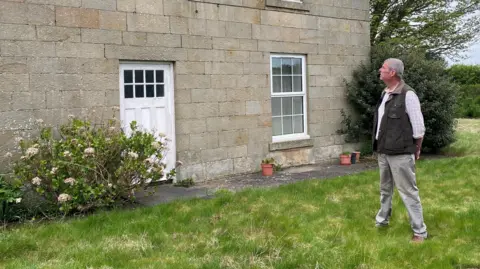
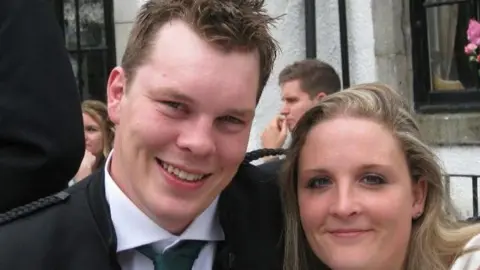
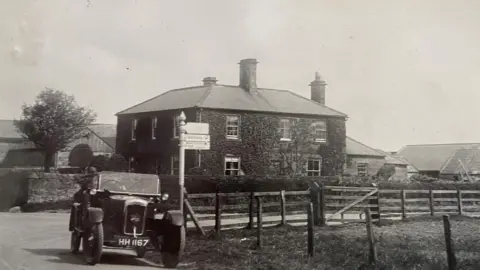
Melanie Wensby-Scott sat in her car and cried the day she and her husband left Northgate House, who is right next to the road not far from Morpeth.
The couple had packed the last of their personal effects and she always led the vacuum cleaner around the arrival of the agency entrepreneurs.
“They started to embark on the windows and change the locks,” she said. “Honestly, I felt like we were expelled.”
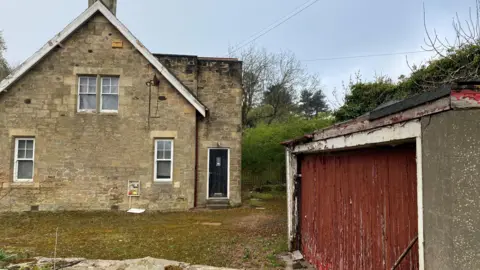
Melanie and her husband Julian had had “major projects” when they bought the house in 2009.
“We have put a new kitchen, new bathrooms, we plan a new conservatory and we did not intend to leave,” she said.
But in 2014, the Prime Minister of the time, David Cameron, announced his intention to double a section of 13 miles from the A1 and it became clear that their house was on the path of the chosen route.
“When they came for the first time, I said I didn’t want to move and they mainly said that I had no option,” said Wensby-Scott.
“It was just horrible to know that you were going to lose your home.”
 Google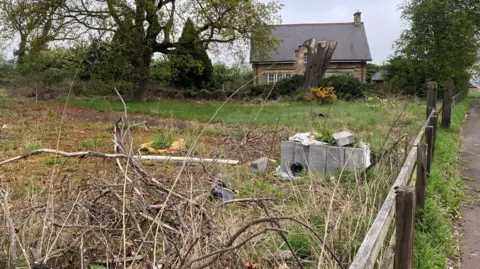
The A1 program has stalled for a few years, alternating between ready to start and still waiting until, in May 2024, the Rishi Sunak government approved the order of development consent which gave the final green light.
However, the workforce resumed power two months later and canceled the project in October 2024, declaring that it had to make “difficult decisions on non-funded or inaccessible road plans”.
Ms. Wensby-Scott said: “When I heard the news, I just thought” Oh my God all for nothing “.
“Everything we have experienced, sorrow, anxiety, I just couldn’t believe it.
“You pass now and it collapses, it looks horrible. It’s so shame, it was such a beautiful house.”
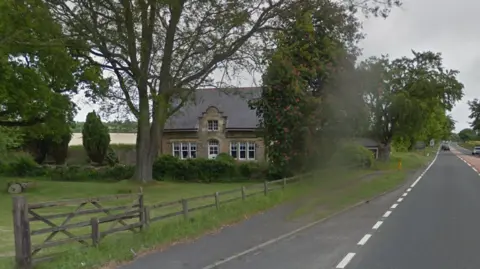
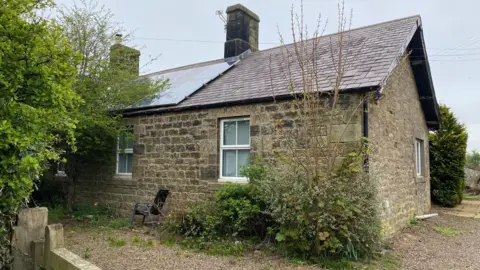
At the other end of the proposed road, Felicity and James Hester lived in East Cottage near the village of Rock.
It was a “perfect place” for them because he had a paddock and a stable for their horses, but they quickly realized that the bulldozers were heading for their way.
“It was simply horrible,” said Hester. “We crossed four or five years of total hell trying to find a place where we could really move, it was just a nightmare.
“The way the real estate market was at the time in Northumberland, we found nothing that corresponded to what we had, so we had to move to Cumbria.
“Now we are a few hours from all the friends we had.”
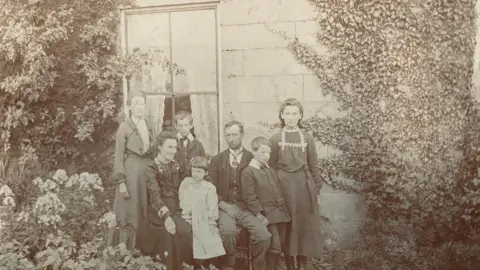
Besides East Cottage is Charlton Mire, a large 200 -year -old farm and stations that had been the Beal family house since 1904, but should also be flattened for the construction of roads.
Martin Beal described his loss as “very painful”.
“I felt like I dropped my family in one way or another because I couldn’t save our house,” he said. “There are so many memories in there.
“They also participated in our lands, so I couldn’t plan in advance. I had white nights, it was very difficult.”
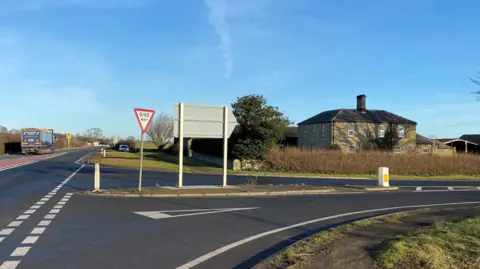
A request for freedom of information from the BBC revealed that more than 68 million pounds Sterling had already been spent on the A1 program at the time of its cancellation, and this figure continues to increase by a little less than £ 30,000 per month.
This is due in part to the fact that National Highways is obliged to pay insurance and the tax of the advice on unnecessary properties, including an empty house premium.
 Martin Beal
Land agent Louis Fell, who represented the Hester and Beal families, described the situation as “a mess”
He said: “I know that national highways have not made the decision to cancel the road, but they must have a strategy for properties, perhaps considering renovating them and renting them to young families.
“For them, just sitting here for Rotting is such a waste of money and it is not a good look for a popular area with tourists.”
 Martin Beal
National Highways previously declared that this was “sympathetic” to the situation of Mr. Beal after delays on the payments of his property.
In a statement, he said: “We are carefully examining the expenses of all our projects to ensure that the lessons are learned and that the processes are improved for any future road improvement schemes.
“The discussions concerning the future of houses purchased as part of this program remain in progress and will be communicated in due course.
“The properties are managed by our team of estates until a strategy is agreed.
“During this period, the properties will be secured by our maintenance entrepreneur and inspected on an appropriate basis.”
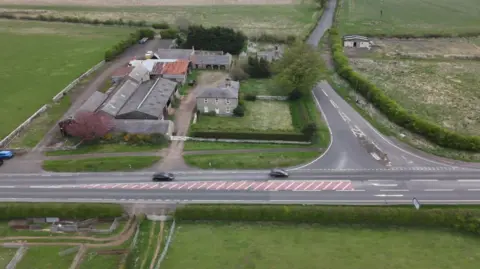
According to what is called the rules of Crichel Down, in situations like this, the properties should be offered to the owners, but the three families say that they do not wish to return to empty houses for several years.
Martin Beal said his old house was “full of wet and collapsing”.
He now has permission to build a new farm nearby, but when it is built, because it directly replaces Charlton Mires, the planning arrangements mean that the original farm must be demolished at a cost for the taxpayer of around £ 100,000.
“He has been there for 200 years, it’s a beautiful house. It is simply ridiculous that he must be demolished for nothing,” deplored Mr. Beal.
“I am so angry with everything my parents and I lived, and all these millions of books wasted for what?”


