Reptile ‘pee crystals’ might help treat kidney stones and gout


This may come as a surprise, but not all animals pee. While almost all living organisms have an excretory system, most reptiles do not eliminate excess nitrogen-containing waste in the form of liquid urine. Instead, they get rid of the chemicals by expelling them as crystalline solids called urates.
Biologists believe reptiles evolved this unique system to conserve water, but have long wondered how urates don’t end up harming animals. For humans, crystal buildups in the body manifest as excruciating bursts in the joints – a condition known as gout – or kidney stones in the urinary tract. Both conditions can become serious, even life-threatening, if not treated properly.
For researchers, including Jennifer Swift, a chemist at Georgetown University, analyzing reptilian urine crystals represented an opportunity to potentially improve or even save human lives. Their study, published on October 22 in the Journal of the American Chemical Societyoffers some of the most detailed reviews of reptile urates.
“This research was truly inspired by a desire to understand how reptiles are able to safely excrete this material, in the hope that it can inspire new approaches to disease prevention and treatment,” Swift said in an accompanying statement.
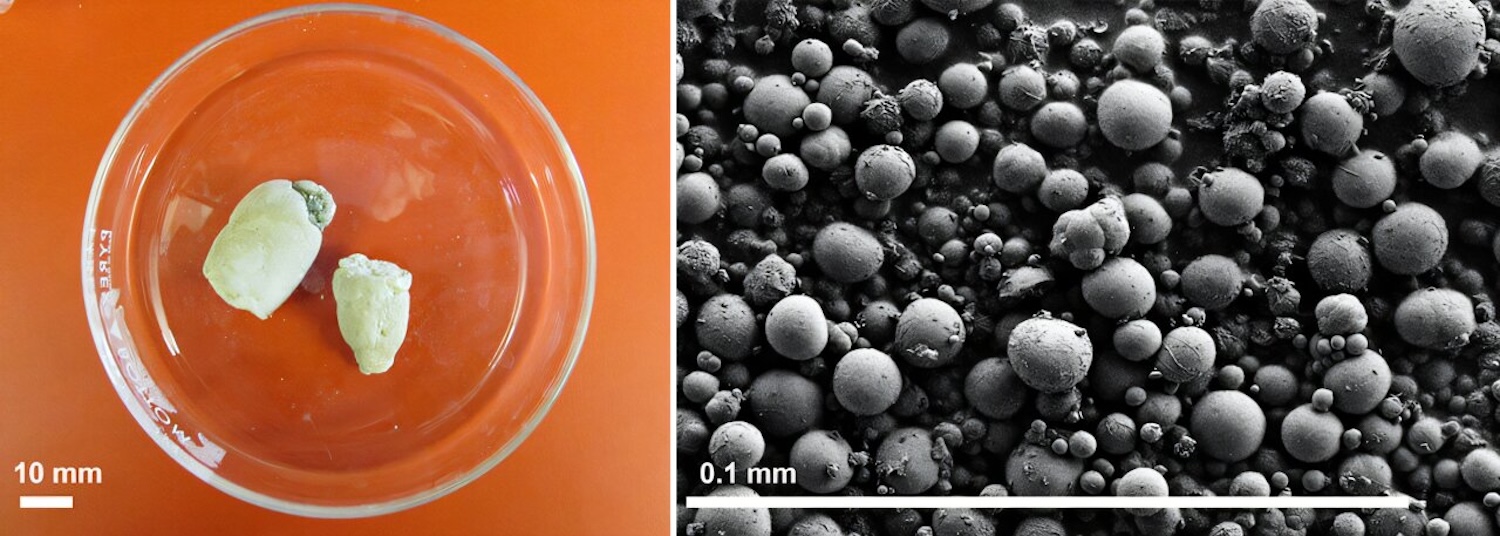
Swift’s team used microscopic and X-ray imaging techniques to examine crystal samples from more than 20 species of snakes and lizards. They discovered that at least three species, royal pythons (Python regius), Angolan pythons (Anchietes Python), and the Malagasy tree boas (Sanzinia madagascariensis)—produces urates with textured microspheres measuring between 1 and 10 micrometers wide.
X-ray analysis also revealed that these spheres contain even smaller nanocrystals composed of uric acid and water. They found that these small amounts of uric acid could help convert the reptiles’ accumulated ammonia into an excretable, less toxic, solid form.
“Importantly, this indicates a previously unknown physiological function of uric acid, namely its ability to sequester ammonia by transforming it into a solid,” they write in their study.
Although more research is needed, the team hypothesizes that in the right amounts, uric acid might actually have a surprising and equally protective role in humans. Crystallized uric acid is still something no one wants in their body, but a better understanding of reptiles’ evolving urate solution could one day help develop new treatments for human health complications.

Shop Amazon’s Prime Day Sale


