How ATSC 3.0 aims to win over cord-cutters in 2026


As the FCC seeks to accelerate adoption of ATSC 3.0 for over-the-air TV, broadcasters are eager to present options that don’t involve replacing your TV or ditching the DVR.
Ahead of this week’s CES show, broadcast consortium Pearl TV announced a certification program for no-frills converter boxes that will plug into the HDMI port on any TV. Anne Schelle, general manager of Pearl TV, said in an interview that the goal is to have converters available this fall for less than $60.
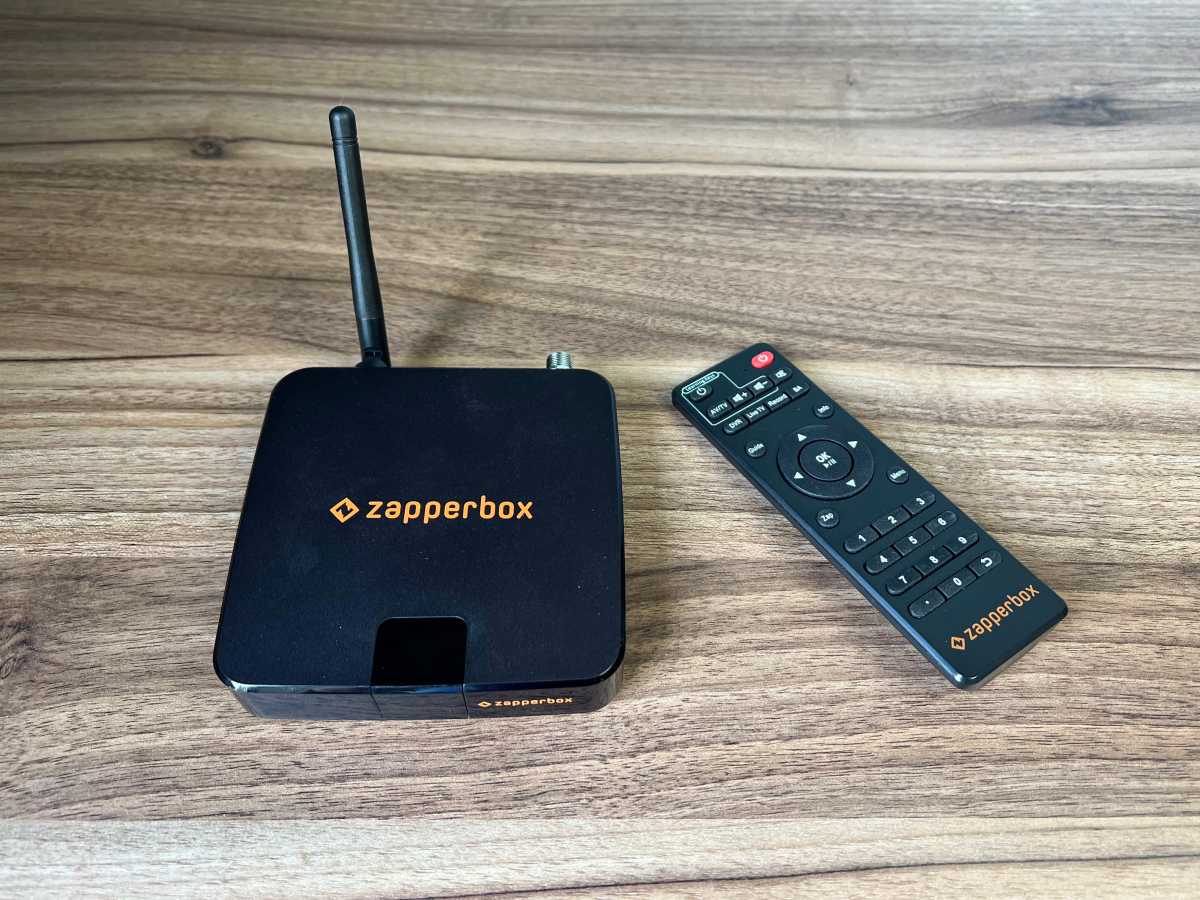
Also at CES this week, broadcasters are touting advances in ATSC 3.0 “gateway” boxes that deliver live TV and DVR to multiple TVs throughout the home. Both Zapperbox and ADTH are developing whole-home DVR solutions that work with ATSC 3.0 encrypted channels, eliminating some long-standing hurdles related to digital rights management.
All of this suggests a new level of urgency as broadcasters work to remove the current ATSC 1.0 standard. If they want FCC approval for a full transition to ATSC 3.0, they’ll have to show they’re leaving no one behind.
Converter Boxes Under $60 (Maybe)
ATSC 3.0 enables new features, such as 4K HDR video, improved dialog, interactive programming and potentially better reception, but the standard is not compatible with the ATSC 1.0 tuners built into most TVs. Viewers who want access to these features must either purchase a TV with an ATSC 3.0 tuner or connect an external tuner.
Today, ADTH’s cheapest tuner costs $90, and Zinwell’s NextGen TV box is even more expensive at $129. Pearl TV aims to bring prices down with a new class of converter boxes that remove features like DVR and possibly some interactive features. It also plans to negotiate intellectual property (IP) and component costs on behalf of certified device manufacturers, while helping to secure retail distribution. The idea is that Pearl TV will have more negotiating power than any individual device maker.
“What we are asking for this company is to act as if the market already existed, and [suppliers should] tell us what this reduction would have been in millions, instead of tens of thousands [of units]” Schelle said.
Don’t expect the government to help pay for the materials. Unlike the analog-to-digital transition, Pearl TV assumes that federal dollars mandated by Congress will not be available to subsidize purchases of ATSC 3.0 converter boxes.
Pearl also does not guarantee the $60 price. With pricing uncertainty and DRAM shortages inflating the price of all kinds of consumer electronics, these converter boxes could end up being more expensive, Schelle said.
DVR progress
Jared Newman / Foundry
Meanwhile, broadcasters want to show that tech enthusiasts can still have full-featured DVRs in the ATSC 3.0 era, even if broadcasters encrypt their over-the-air channels.
A3SA, the broadcast group that serves as the security authority for ATSC 3.0, highlighted a few whole-home DVR gateway solutions this week, from ZapperBox and ADTH respectively. While both companies revealed their plans late last year, A3SA is using CES to bring new attention to them.
ZapperBox, which offers a line of ATSC 3.0 tuners with DVR support, now sells a tuner-free ZapperBox Mini that extends DVR to additional TVs, with full channel support and encrypted recordings. Apps for streaming devices will arrive later this year. allowing access to a single DVR on multiple TVs without additional hardware.
ADTH is also working on a whole-home DVR for its $90 tuner. An upcoming firmware update will allow users to access live and recorded TV through ADTH’s Fire TV and Android TV apps, although the company hasn’t set a release date.
And while SiliconDust’s HDHomeRun network tuner still can’t access ATSC 3.0 encrypted channels, there are signs of progress in this area as well. SiliconDust announced in November 2025 that it had become an ATSC 3.0 certification authority for NextGen TV, and the company had a demo booth at the modest ATSC booth at CES for the first time.
Pearl TV previously said HDHomeRun was not eligible for DRM certification because it uses a chip from a Huawei subsidiary, which the FCC has deemed a security threat. In an interview at CES, Nick Kelsey, CTO and founder of SiliconDust, said that the chip is irrelevant for handling encrypted channels and that HDHomeRun doesn’t even do the decryption itself. (Instead, it transmits the video to streaming devices, such as a Fire TV or Android TV, to handle decryption.)
Kelsey said the allegations were “bizarre” because the company previously had a great working relationship with Pearl, but added that those relationships have since returned to normal. He now hopes that HDHomeRun devices will support encrypted ATSC 3.0 channels this year without any additional hardware.
“It’s not something that’s going to last forever, and it’s not just us. Everyone in the industry feels the same way,” he said.
These developments will not allay all concerns about ATSC 3.0. Gateway devices still require an internet connection for DRM, and out-of-home viewing will not be possible. It’s also unclear whether the tuners will be able to work with third-party DVR software, such as Plex and Channels. For these reasons, ATSC 3.0 may remain toxic among tech enthusiasts, even as DVR options improve.
The FCC monitors
The impetus for all this activity is, of course, the FCC’s Notice of Proposed Rulemaking aimed at accelerating the adoption of ATSC 3.0. He calls for an end to the requirement for broadcasters to simulcast their ATSC 3.0 channels into ATSC 1.0, but he also asks pointed questions about DRM and the lack of affordable ways to continue access to free over-the-air TV. The FCC still has to vote on its proposals, which could happen in the fall, Schelle said.
However, so far the FCC’s proposed rules do not include a deadline for ATSC 1.0 nor do they mandate ATSC 3.0 tuners in TVs. The National Association of Broadcasters hopes to get rid of ATSC 1.0 by 2028 in the 55 largest U.S. markets, and everywhere else by 2030. The broadcast industry is now trying to show that it will actually be ready for it.
Sign up for Jared’s Cord Cutter’s weekly newsletter for more streaming and live TV tips.


