How Audi tweaked its turbo geometry


The families of SUV A5 and Q5 of Audi – including the Plus and SQ5 more zipped versions – are brand new for 2025, with an updated body design, improved technology and more power. One of its latest amenities is an available glass roof which can be adjusted with six dimmable liquid crystal panels, adding to Audi’s reputation as a geek favorite.
As it was in the previous generation, the Audi A5 is powered by an online engine of four 2.0 -liter turbochargers and the S5 is motivated by a V6 turbo. In both cases, the increase in the torque and the power of the 2025 model is helped by Turbo technology which was born decades ago. This engineering feat, called geometry of variable bridges, uses and controls the air flow to create a driving experience that reflects the fun experience of the brand.
If you’ve already seen a rowing machine at the gymnasium, you may have noticed the adjustable steering wheel. The fan blades run, moving the air around it to create resistance. The opening of the vents allows more air to cross, creating more resistance and requiring more efforts to accelerate. The closing of the vents restricts the air flow for an opposite effect. Audi turbos work in a similar way, and although the original concept is not new, the way the German automaker uses it in its new vehicles is definitely current.
Variable nozzle turbo
In 1989, the Shelby CSX-VNT was a compact tailgate built from a Dodge shadow. It was a limited edition built for amateurs – people who liked to drive quickly and hear the roar of internal combustion. It has exploited a technology called variable nozzle turbo, which has finally evolved to become the geometry of the variable palette in Audi models. The journalist and passionate Karl Brauer had one of these unicorns – only 500 were produced – and he remembers it.
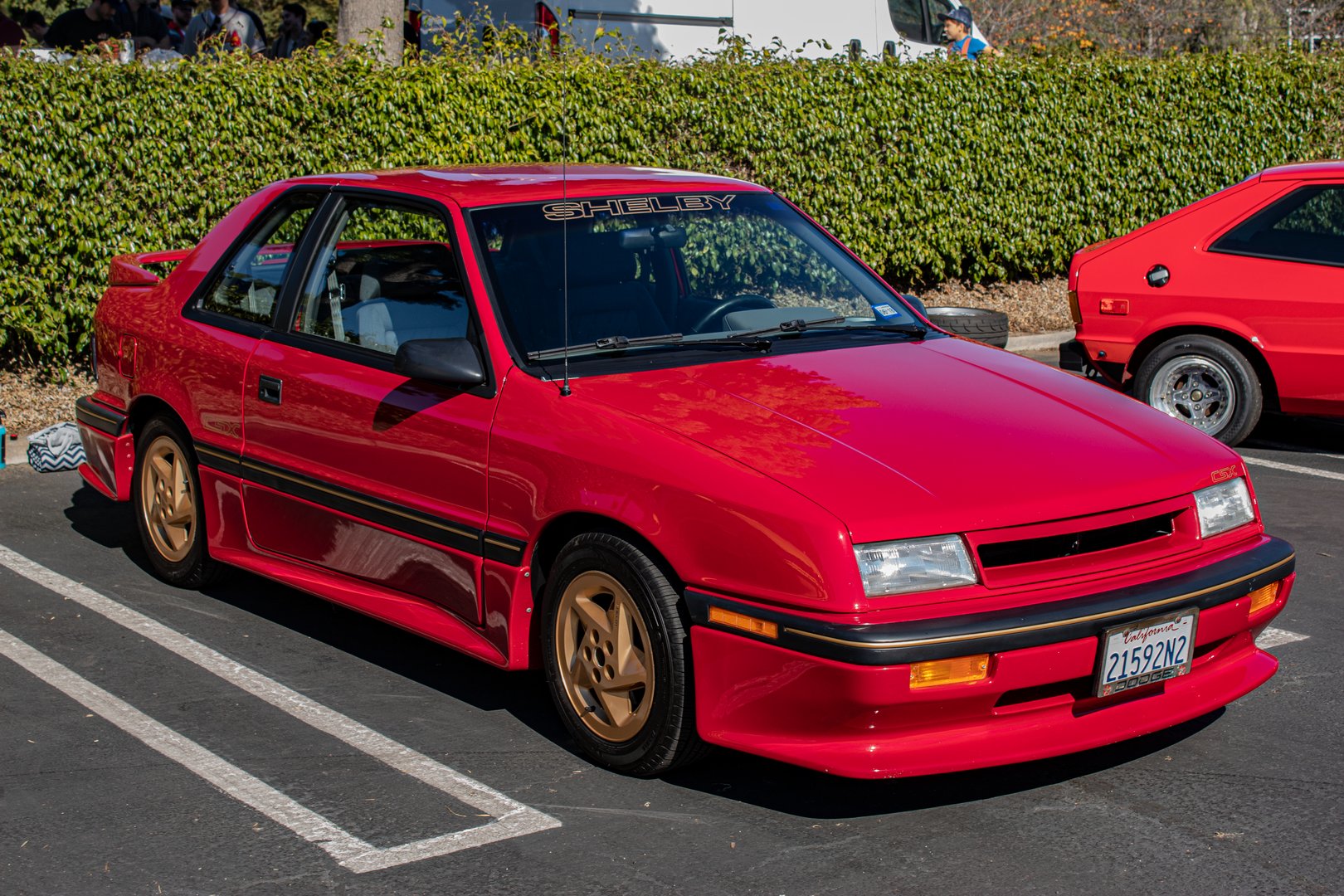
“Whatever the name, this technology was incredibly advanced for 1989,” said Brauer. “The computer controlled variable nozzle in the turbo meant that it could change the angle of turbo waters to reduce their opening size, maintaining a high air flow even at low speed.”
The result was the righteous couple striking at just over 2,000 rpm, a previously impossible feat on a turbocharged street car. Later, Porsche adapted this feature for the Turbo 911 2006, which illustrates the impact of this engineering. If high performance Porsche models could use the geometry of variable bridges, it should meet the rigorous standards of the German company.
A major problem with anterior turbo technology was the lag; The turbos did not move until the engine is really starting to turn, explains Brauer. Shelby’s innovation meant that adjustable vents build and create a smaller passage so that even at low speed, air would move quickly and make the turbo turn to create a compressor effect. As you accelerate, you do not want a short passage to a higher diet because you want to maintain the volume of air moving.
The audi version of this technology allows the effective aspect of the turbocharger to regulate as the conditions change. The adjustable dawns are located inside the turbine housing between the input and the turbine, controlling the flow of the gases to the turbine. As a result, the dawns allow the car to operate at low and high motor speeds.
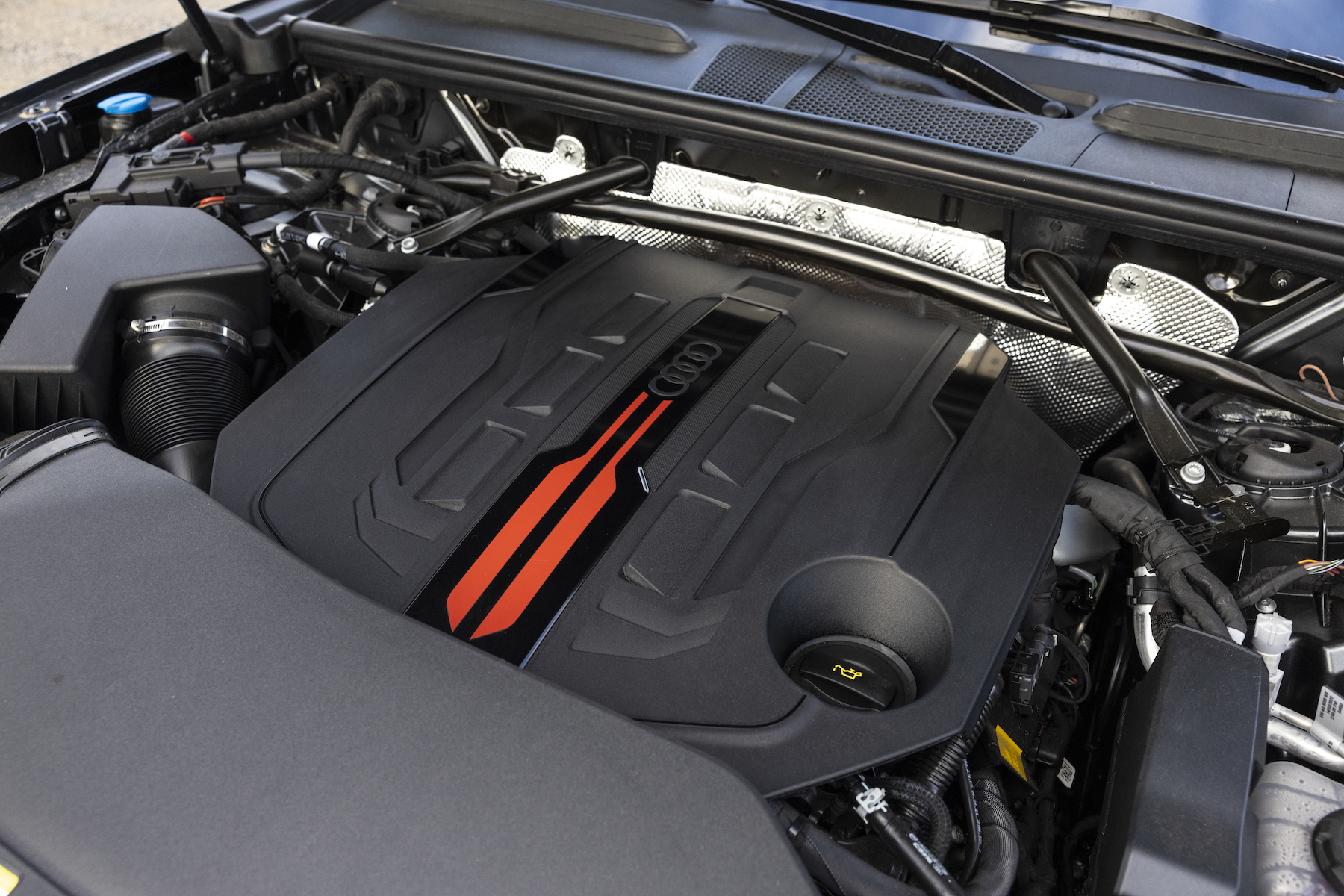
Satisfy various driving preferences with a large turbo / small turbo capacity
As this engineering relates to different markets around the world, drivers appreciate driving, regardless of the cultural approach to acceleration. The main director of planning of Audi of America, Barry Hoch, explains that the United States would be considered a “low-speed market” compared to Germany, because America has no equivalent to the Autobahn road system. In many sections of Autobahn, no compulsory speed limit exists and drivers often prevail by the possibility of driving as quickly as their vehicle and the conditions allow it.
“As a high -speed market, Germany’s requirements for vehicle requirements are somewhat different from ours,” said Hoch. “We are very interested in zero at 60 times, while the German market is very interested in elasticity or speed at a higher diet. And so these sometimes create contradictory requirements for the car. ”
German drivers want a great turbo response to a high diet once they have left the city, while the Americans give priority to offline performance, explains Hoch.
“The variable geometry of blades allows us to satisfy the two markets,” he says. “What we have is a big turbo that meets their needs, but with the way we can adjust the blades, we have this kind of little turbo you would need for the line.”
Everything is linked to the torque strip, which is the specific motor speed of the engine, or diet, where the engine produces its maximum torque. In this range, the engine offers its better acceleration and power. The new A5 and Q5 families from Audi now have a higher tip couple. Variable palette geometry helps the turbo to operate as a small unit with a low speed, and it does not have to bleed the boost at high speed, says Hoch. In addition, it is more fun than what Audi had in the past with its Turbo configuration with two scroll, which uses two separate exhaust paths, or scrolling to power exhaust gases on the wheel of the turbine.
“We are all on this low -speed pipe,” explains Hoch. “It just shows the amount of life that remains in the combustion engine segment.”
Today, the Shelby Shadow CSX is a vintage car, appreciated for its limited race, its distinctive style and its connection with Carroll Shelby itself. But in the new Audi models, it is the engineering turbo that contains its inheritance.

More offers, reviews and purchasing guides


