A rare whale is having an encouraging season for births. Scientists warn it might still go extinct

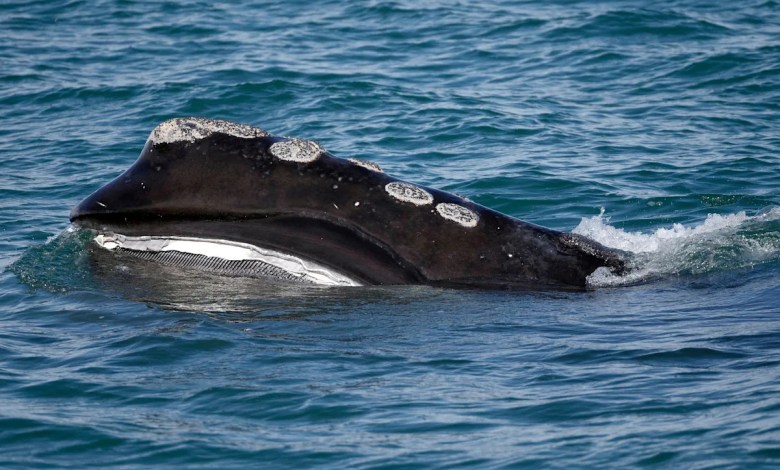
PORTLAND, Maine (AP) — One of the world’s rarest whale species is having more babies this year than in some recent seasons, but experts say it will take many more to avoid possible extinction.
The North Atlantic right whale population numbers approximately 384 animals and is slowly increasing after several years of decline. Whales have gained more than 7% of their 2020 population, according to scientists who study them.
Whales give birth each winter off the southeastern United States before migrating north to feed. Researchers have identified 15 calves this winter, the National Oceanic and Atmospheric Administration announced Monday.
That number is higher than in two of the last three winters, but the species needs “approximately 50 or more calves per year for many years” to halt its decline and enable recovery, NOAA said in a statement. Whales are vulnerable to collisions with large vessels and commercial fishing gear.
This year’s figure is encouraging, but the species remains imperiled without stronger laws to protect against these threats, said Gib Brogan, senior campaign director for the environmental group Oceana. The federal government is in the midst of a moratorium on federal rules meant to protect right whales until 2028, and commercial fishing groups have been pushing for a proposal to extend that pause even longer.
There is still time for more baby whales to be born this winter, but 50 is not a reasonable expectation due to the lack of breeding females in the population, Brogan said.
“We’re not going to be able to prepare for recovery,” Brogan said. “We also need to do more to address the two leading causes of right whale mortality: entanglement in fishing gear and being struck by boats. »
The whales are doing better than last winter, when they only gave birth to 11 calves, according to NOAA data. Whales have only reached 20 calves twice since 2010, and they gave birth to no calves during a disastrous 2018 season. Whales are less likely to reproduce when they have suffered injuries or are malnourished, scientists say.
The whales were hunted to the brink of extinction during the era of commercial whaling and have been federally protected for decades. They currently remain in crisis because there have been more deaths than births in the population over the past decade, NOAA said in its statement.


