4 movies that predicted the smart home (and why Back to the Future was wrong)


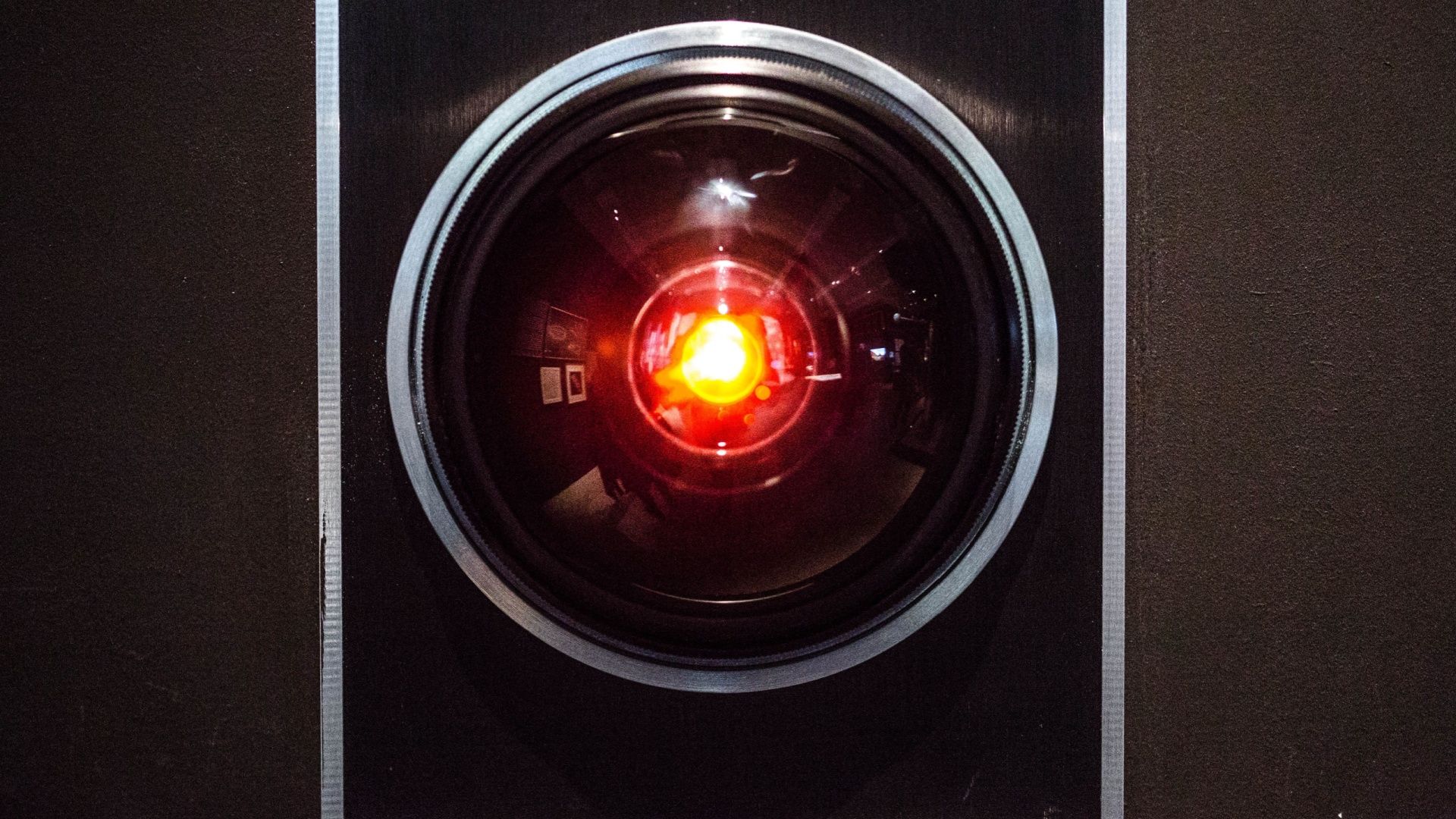
Long before it was possible, people dreamed of a world where your home only took care of you. Once it became clear that computers would be more than just a fad, home automation fantasies really began to take over. So I wondered how close some of the classic depictions relate to our present, or perhaps our very immediate future.
4
2001: A Space Odyssey: the fantasy of a unified domestic AI
HAL 9000 was one of the first times we saw a film depicting an AI that controlled the living environment of humans, could speak and understand people naturally, and seemed capable of anything. Looking at the current state of AI and home automation, it’s actually quite remarkable how successful Kubrick’s film was.
We can talk to our home assistants, they can understand us and the latest AI technology is very good. It’s not as deadly as HAL, thankfully, but it’s still early. What’s wrong is mainly two things.
First, HAL is a complete, independent local computer that requires no connection to outside resources to think or do its work. As I’ve lamented before, typical smart home technologies of our time almost always rely on a computer in a faraway data center to operate, and in my opinion, a true smart home should work offline.
The second thing that’s wrong is that there is only one AI assistant. We have dozens of different agents, assistants, and other intelligent software in our real-world smart homes, not a unified system. The closest thing we have is probably Home Assistant, which is a locally hosted open source home automation platform that can be integrated with a local LLM. It’s HAL without the ethical baggage.
3
Back to the Future II: Just the Fax
When I was a child, Back to the Future Part II was the coolest, most compelling vision of the future. The flying cars, hoverboards, and giant holographic sharks got all the attention, but Marty’s smart home is what really stood out to me at the time.
Many things in the film wouldn’t seem out of place today. There are flat screens everywhere, video calls are present and decent and people watch multiple channels at the same time. This echoes the way people watch TV while using their phones today.
The big problem with this film is the presence of fax machines. It’s actually kind of hilarious, but there are fax machines in almost every room in the house, so when Marty’s boss sends him what would today be a termination email, there are a dozen printouts in the movie that say “You’re fired!”
Also, unfortunately we don’t have small dehydrated pizzas that can be turned into big, juicy, fresh pizzas in seconds, but I’ll still hold out my thumbs.
2
The Jetsons movie: humanoid robots as domestic workers
Okay, if I have to be honest, I’m actually referring to the entire Jetsons corpus here, not just the film. It’s an interesting franchise, as the first season was from the ’60s, and the property wasn’t revived until the ’80s, capped off with a movie in 1990. The Jetsons is one of the most referenced media in terms of technology, particularly home automation. Even today, people will say that some new technologies sound like something “from the Jetsons.”
However, in the world of cinema and entertainment, humans do very little. Multi-purpose robots like Rosie, the Jetsons’ housekeeper, do much of the work, and the rest is done by specialized machines. It’s a vision of the future that was very widespread in the 1960s, but how does it hold up?
Well, the specialized part of the machine was okay. There is a dedicated robot for vacuuming and mopping, another for cleaning our windows and yet another for mowing the lawn. Drones are also flying to deliver packages, in some parts of the world.
However, we do not yet have general-purpose humanoid robots. However, there are indeed a number of them waiting in the wings. Robots from Tesla, Figure AI, 1X and more will soon be on sale. We’ve seen videos of them folding laundry, doing dishes, or packing a refrigerator. However, much of this is still done by teleoperation, so it will likely be a decade or three before these systems are capable and affordable enough to match what Rosie has done for her family.
1
The Fifth Element: compact living with automated control
The fifth element is one of my favorite films of all time, and there is actually a large part of this film that shows a future vision of how people would live. The hero, Korben Dallas, lives in a tiny apartment reminiscent of the cramped Japanese apartments, where all amenities come and go as needed, to gain as much space as possible.
We don’t have smart apartments like these, at least not as a common type of living space, but never say never, as some cities continue to pack more and more people into smaller spaces.


