How the shutdown is putting a damper on liquor makers’ holiday spirits


For the husband and wife team of David Harris and Megan Draheim, the idea of owning and operating their own distillery was 11 years in the making.
They painstakingly created new spirits, built an operation to produce their products in one location, and made sure to follow all the rules of a heavily regulated industry.
There have been setbacks, like the pandemic, which closed bars and restaurants across the country and led their bank to pull a loan. But last month, they opened the Song Dog Farm Distillery, on a rural hillside in Boyds, Md., next to rows of corn they plan to use to make whiskey.
But as they worked to build a customer base, they suffered a blow they didn’t see coming: the federal government shutdown.
“It threatens our business and it’s disappointing for our customers,” Harris said. “After 11 years of construction, we want to satisfy people and show them the richness of local agriculture and seasonal products. »
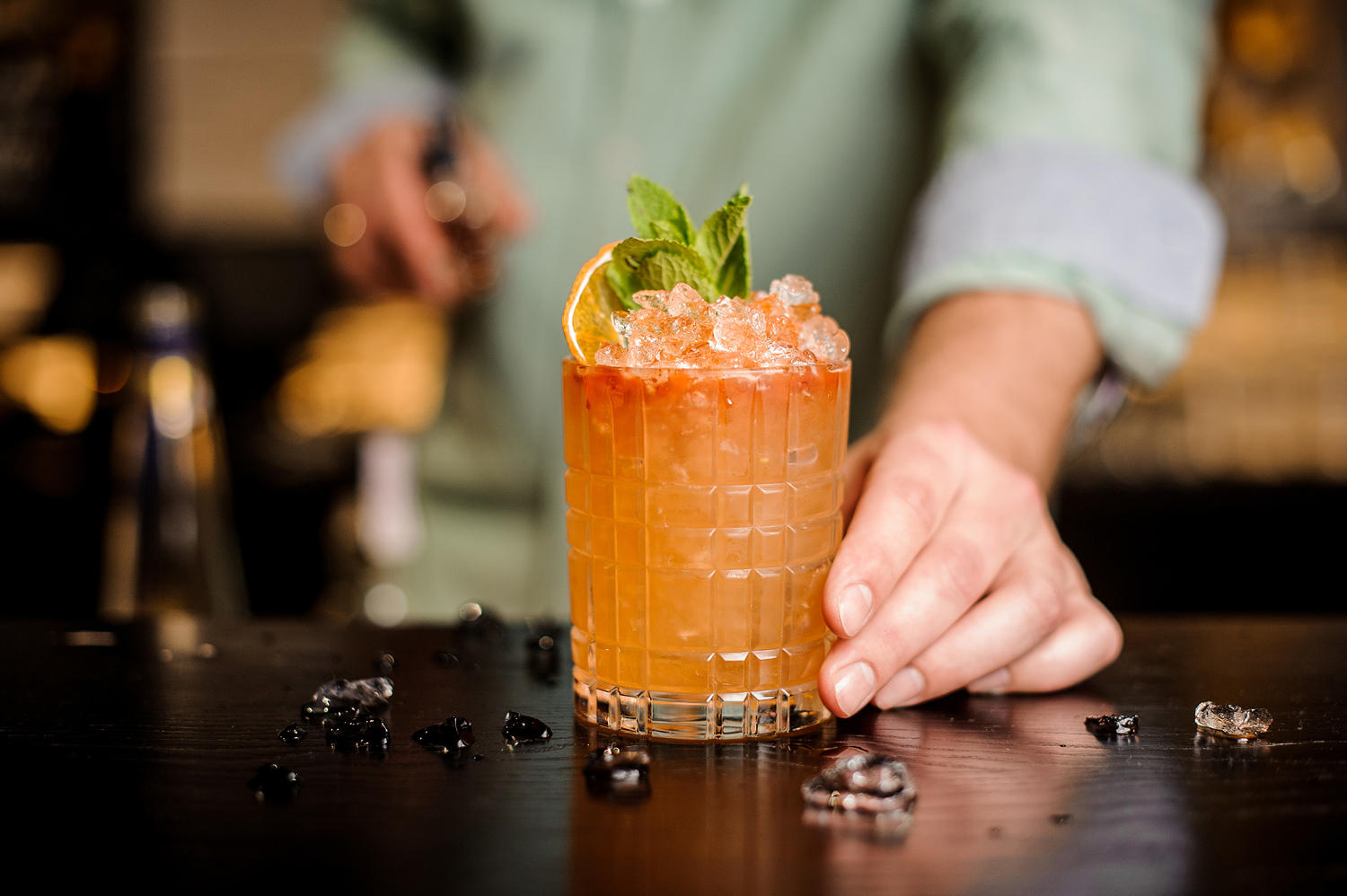
A big part of their launch plan was to use the holidays to attract new customers with the release of new and inventive cocktails and liquors.
“We really spent so much time thinking about every detail of this project. And it’s really frustrating to come here and have your hands tied,” Draheim said.
But each of these drinks requires federal approval. When distillers release new drinks, they must obtain a “Certificate of Label Approval” from the Alcohol and Tobacco Tax and Trade Bureau (TTB), which is closed due to the government shutdown. Alcoholic beverages containing “flavoring or coloring substances” must also be approved for their formulation, according to the TTB.
The Alcohol and Tobacco Tax and Trade Bureau did not respond to a request for comment.
Currently, the office’s website says new applications can be filed, “but submissions will not be reviewed or processed” until the shutdown ends.
“Normally the wait time is three or five days. It’s no big deal,” Harris said. “And right now, there is no approval for any formula, no new label, anywhere in the industry.”
And as the holiday season picks up, they are unable to expand their product line and fear losing sales.
“People will notice. They’re going to get tired of our very limited opening menu that we’re stuck with until the government reopens,” Harris said.
They are not alone. Gabe Spencer, head distiller at Whistling Andy Distillery in Big Fork, Mont., is deeply concerned about the loss of business during the upcoming holiday season.
“It’s stressful because … 30 to 35 percent of our revenue comes from Thanksgiving and Christmas,” he said. “During Christmas time, our little village kind of transforms into Christmas town, so we have a lot of foot traffic in the tasting room.”
Whistling Andy Distillery is awaiting approvals for special releases for its 15th anniversary. Even if the government reopens next week and approves its label, it is unlikely it could be printed in time.
The distillery has suspended plans to hire additional sales staff to promote its products in Montana and outside the state.
“We need more troops on the ground and to have money coming in, to have the ability to bring in somebody else to help us grow our brand, I don’t think I’ll be able to do that, you know, without having the revenue coming in…as much as we had anticipated,” Spencer said.
Tom Lix, owner of Cleveland Whiskey in Ohio, said the closure means he is unable to get the approvals he needs to market a chocolate and peanut butter cream liqueur, designed to be mixed with hot winter drinks like hot chocolate and Irish coffee.
“It really messes up your planning and hiring new people,” Lix said. “Something as stupid as a government shutdown has a huge ripple effect. »
Tariffs imposed by President Donald Trump have also increased the prices of some bottles of Cleveland Whiskey from Canada, Lix said. Exports of U.S. spirits to Canada declined 85% in the second quarter of 2025, according to the Distilled Spirits Council of the United States, as Canadians boycott many U.S. products in response to Trump’s tariffs and suggestions that the country should become the 51st state.
When asked what he would say to lawmakers at the Capitol, Lix said, “You need to get together, get in a room and don’t leave until you figure this out.” »
Margie AS Lehrman, CEO of American Craft Spirits, likened the combined effect of tariffs and blocked approvals on her industry to a boxer in a battle royal, taking blows from several fighters at once.
“They’re in the center of the ring. Before, you might get one punch; now they’re there with multiple boxers, and they’re in the middle,” she said.
It also comes as the industry struggles with declining sales as fewer Americans drink alcohol. According to a Gallup poll conducted in July, 54% of Americans say they drink beer, wine or spirits, the lowest figure in the poll’s 90-year history.
For Harris at Song Dog Farm, uncertainty about when the shutdown will end compounds the problem.
“Businesses like ours need some sort of certainty, some sort of road map of what’s going to happen,” he said.