Lupus may be caused by the common Epstein-Barr virus, study finds


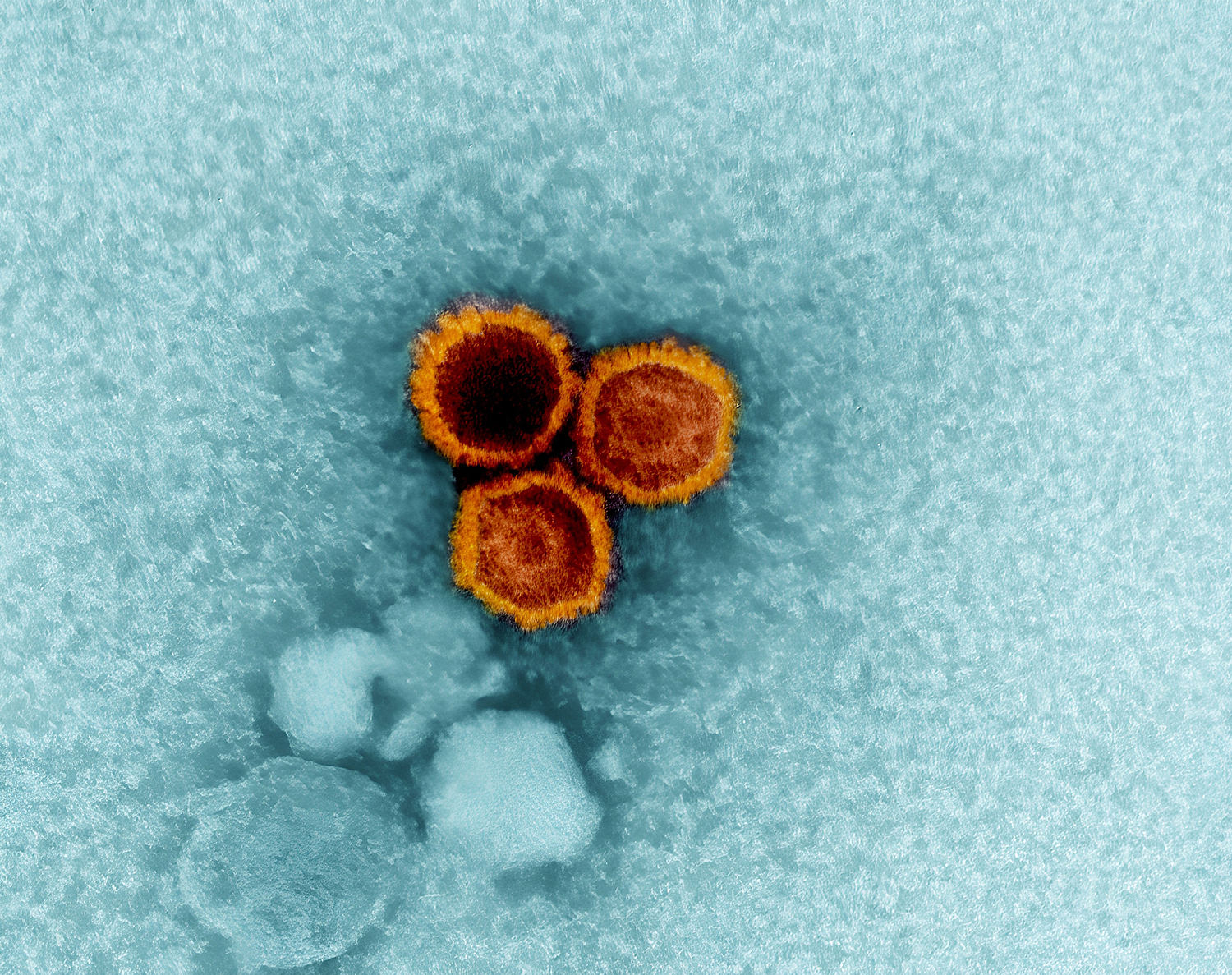
One of the most widespread viruses in the world could be the cause of lupus, an autoimmune disease with very varied symptoms, according to a study published Wednesday.
Until now, lupus was somewhat mysterious: no root cause of the disease had been found and there was no designated treatment to cure it.
The research, published in the journal Science Translational Medicine, suggests that the Epstein-Barr virus – which 95% of people contract at some point in life – could cause lupus by causing the body to attack its own healthy cells.
This adds to growing evidence that Epstein-Barr is associated with multiple long-term health problems, including other autoimmune diseases. As this evidence mounts, scientists have accelerated calls for a vaccine targeting the virus.
“If we now understand better how this pesky virus is responsible for autoimmune diseases, I think it’s time to figure out how to prevent it,” said Dr. Anca Askanase, clinical director of the Lupus Center at Columbia University, who was not involved in the new research.
In lupus patients, an autoimmune attack can lead to extreme fatigue, joint pain, and skin rashes. In rare cases, the disease can cause life-threatening or life-threatening problems, such as kidney damage, or weaken the immune system, making it harder for the body to fight infections.
Scientists have long suspected a link between Epstein-Barr and lupus, but the exact link remains elusive. Dr. William Robinson, co-author of the new study and chief of the Division of Immunology and Rheumatology at Stanford University, said his new findings solve a major piece of this puzzle.
“From our perspective, this is the key, missing mechanistic link,” Robinson said.
“We think this applies to all cases of lupus,” he added. Hundreds of thousands of people in the United States are living with the disease.
But Hoang Nguyen, assistant vice president for research at the Lupus Research Alliance, said it was too early to know whether the mechanism was behind each case.
“While the evidence is intriguing and promising, more evidence is needed to demonstrate that the EBV link applies to all lupus,” Nguyen said. The alliance is a private funder of lupus research and helped fund Robinson’s study.
An Epstein-Barr virus infection does not necessarily cause symptoms, especially in children, although the virus is also the most common cause of mononucleosis (often called mono).
It is transmitted mainly through saliva from kissing or sharing drinks, food, utensils or toothbrushes. Once a person is infected, the virus persists permanently in the body, where it usually remains inactive, but not always.
The new study is not the first to link Epstein-Barr to autoimmune problems. Previous research has linked it to multiple sclerosis. Although it is not the only trigger for MS, the virus can be part of a chain of events leading to the disease.
Robinson said a similar pathway to the one described in his new study could also lead to other autoimmune diseases like rheumatoid arthritis and Crohn’s disease, but more research is needed to find out.
Of course, the vast majority of people who contract Epstein-Barr do not develop lupus, MS, or any other autoimmune disease. Robinson said it’s possible that only certain strains of Epstein-Barr trigger autoimmune reactions.
To determine the causal link between Epstein-Barr and lupus, Robinson and his co-authors focused on B cells, white blood cells that help fight infections.
Even in healthy individuals, Epstein-Barr remains dormant in a tiny fraction of B cells. But these virus-containing B cells are much more prevalent in lupus patients, who have a 25 times higher proportion of them, according to the new research.
The study also highlights a type of protein called antinuclear antibodies, which bind to the nucleus of cells and are one of the hallmarks of lupus. Researchers discovered that Epstein-Barr infects and reprograms B cells to produce antinuclear antibodies that attack the body’s own tissues, causing lupus.
Robinson said the findings go hand in hand with other theories about the causes of lupus. For example, scientists suspect that a person’s genetics or hormones may also predispose them to the disease.
A study published last year in the journal Nature also found that people with lupus have too much of a particular T cell — another type of white blood cell — associated with cell damage and too little of another T cell associated with repair. Robinson said the pathway described in his study could activate this T cell response.
The new research highlights some potential options for treating lupus, according to Robinson, co-founder of two drug development companies exploring treatments for autoimmune diseases.
Most medications currently given to relieve lupus symptoms, such as corticosteroids, focus largely on reducing inflammation. Robinson said future treatments could specifically target Epstein-Barr-infected B cells.
But an Epstein-Barr vaccine – several of which are in clinical trials – could one day stop infections.
“Vaccination to protect people from EBV infection would be the fundamental and ultimate solution,” Robinson said.


