How to find forgotten online accounts using your email


NEWYou can now listen to Fox News articles!
Most of us have created many more online accounts than we care to remember. Shopping sites, travel apps, rewards programs, forums, and random services all ask for quick sign-up. At the time, it seems harmless. Years later, these accounts are still online, linked to your email address.
It matters more than you think. Old accounts increase your digital footprint. They can also expose personal information if a company suffers a data breach. Luckily, there’s an easy way to discover many of them in just a few minutes. The answer is already in your inbox.
Sign up for my FREE CyberGuy Report
Get my best tech tips, urgent security alerts and exclusive offers straight to your inbox. Plus, you’ll get instant access to my Ultimate Scam Survival Guide – free when you join my CYBERGUY.COM bulletin.
Your email inbox keeps a hidden record of your accounts
Almost all websites send a confirmation message when you create an account. This means your inbox quietly becomes a timeline of every service you’ve signed up for.
11 SIMPLE WAYS TO PROTECT YOUR PRIVACY ONLINE IN 2025

Security experts say reviewing old account confirmation emails is one of the quickest ways to find services you no longer use. (Tempura/Getty Images)
Instead of trying to remember dozens of sites, you can search your email and let those messages reveal the accounts for you. In many cases, people discover accounts they forgot about years ago.
- Old stores
- Unused travel sites
- Rewards programs
- Apps you downloaded once
The list can grow quickly once you start looking.
Step 1: Check your inbox for registration emails
Start by opening your email account and using the search bar. Try searching for these phrases one by one:
- To welcome
- Check your email
- Confirm your account
- Create an account
- Thank you for registering
- Account created
These phrases appear in many registration emails. As a result, your inbox will often show dozens of account confirmations. Scroll through the results and pay attention to the companies that appear. You might spot services you haven’t thought about in years.
Step 2: Scan sender names
Next, look closely at the companies sending these messages. Many people quickly find accounts from:
- Former commercial sites
- Rewards programs
- Travel accounts
- Apps and services
Make a short list of accounts you no longer use. Even a few minutes of research can reveal a surprising number. At this point, you’ve essentially developed a cleaning checklist.
THINK YOUR NEW YEAR’S PRIVACY RESET WORKED? THINK ABOUT YOURSELF
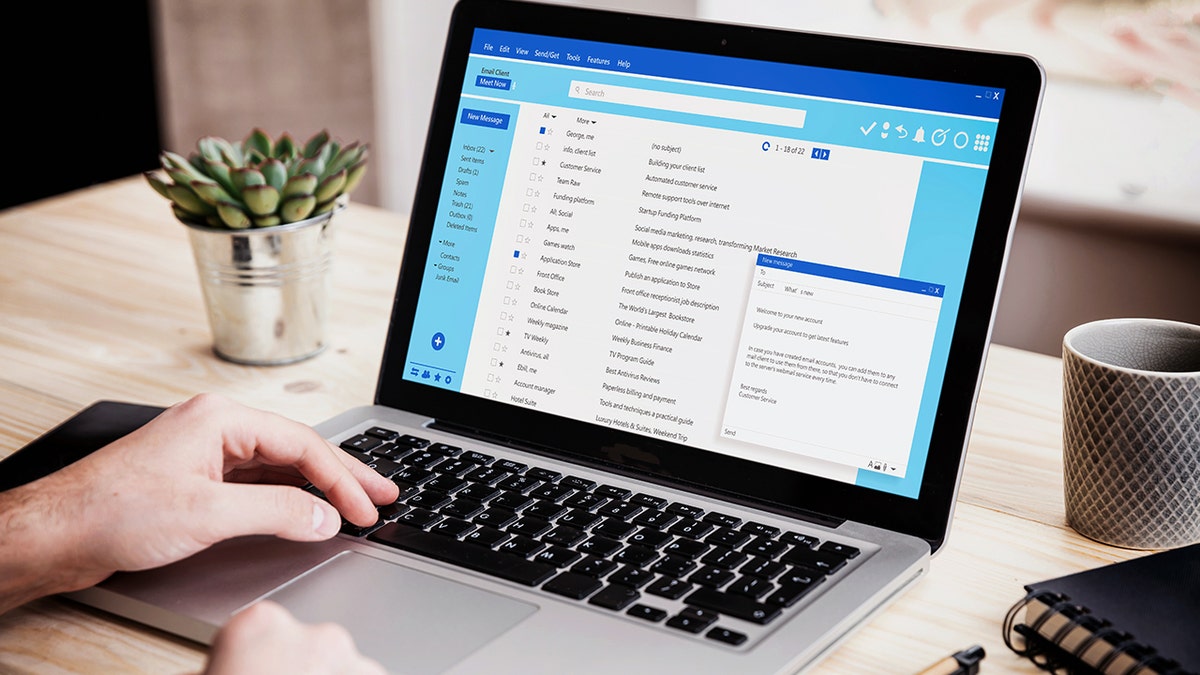
Searching your inbox for common registration emails can reveal dozens of forgotten online accounts still linked to your email address. (Rawf8/Getty Images)
Step 3: Log in and delete accounts
Once you have identified a site, visit the official site directly rather than clicking on links in old emails. Then find the account settings. Most platforms include an option such as:
- Account settings
- Delete account
- Close account
If you can’t find it, contact the company’s support team and request removal. Although it takes a little time, deleting unused accounts reduces the number of places storing your personal information.
Bonus Tip: Look for Password Reset Emails
There is another search that often reveals even more accounts. Look for these phrases in your inbox:
- Reset your password
- Password reset request
If these messages come from a company, it usually means that you created an account there at some point. People are often surprised by the number of services that appear during this search.
Another smart step to reduce your digital footprint
Closing old accounts helps reduce risk. However, your information may still exist in another corner of the Internet. Data brokerage companies collect personal information from apps, websites and public records. They often create profiles including addresses, phone numbers, browsing habits, etc. After deleting unused accounts, many people choose to use a data deletion service that requests the deletion of these records. This combination can significantly reduce the amount of personal information circulating online.
FROM TIKTOK TO PROBLEMS: HOW YOUR ONLINE DATA CAN BE WEAPONIZED AGAINST YOU
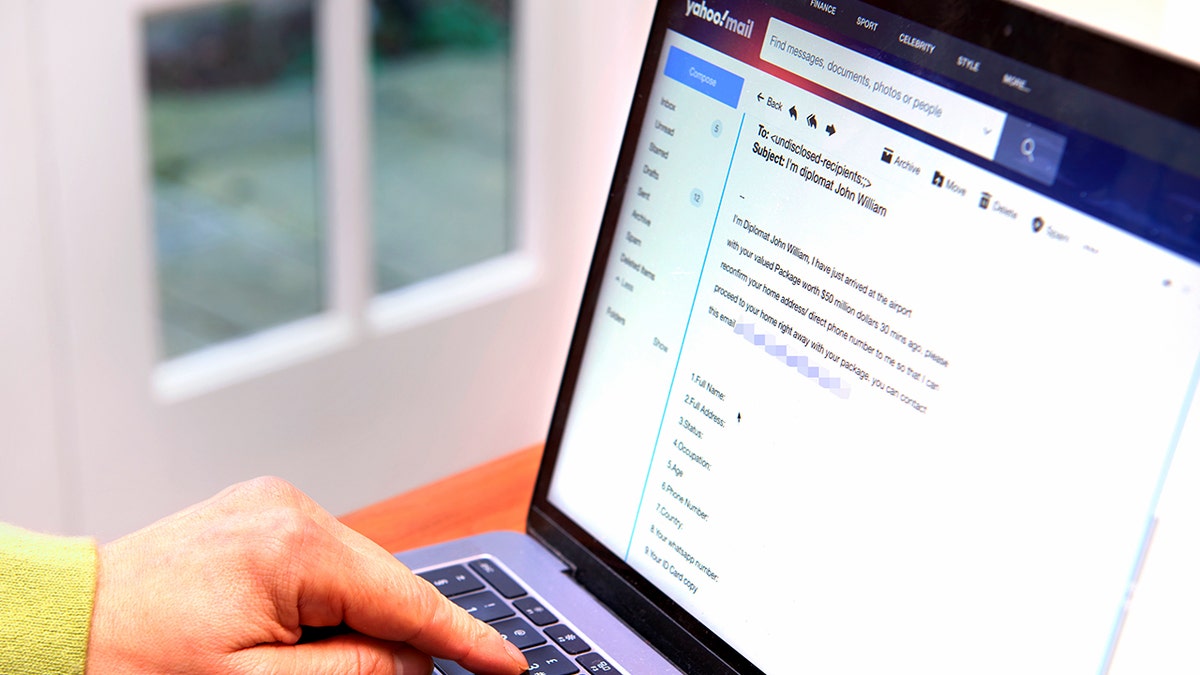
A quick search of the inbox using phrases like “Welcome” or “Check your email” can uncover accounts you created years ago. (Peter Dazeley/Getty Images)
Check out my top picks for data deletion services and get a free scan to find out if your personal information is already available on the web by visiting Cyberguy.com.
Get a free analysis to find out if your personal information is already available on the web: Cyberguy.com.
Take my quiz: How safe is your online security?
Do you think your devices and data are truly protected? Take this quick quiz to see where your digital habits stand. From passwords to Wi-Fi settings, you’ll get personalized analysis of what you’re doing right and what needs improvement. Take my quiz here: Cyberguy.com.
Kurt’s Key Takeaways
Digital clutter gradually accumulates over time. Each registration adds another account connected to your email address. The good news is that your inbox already has maps of many of them. A few quick searches can reveal forgotten accounts that have been online for years. Cleaning them requires some effort, but the result is real. Fewer accounts means fewer places your personal information can leak or be exposed. So here’s something worth thinking about.
If your inbox today reveals dozens of forgotten accounts, how many companies still have your personal information without you even realizing it? Let us know by writing to us at Cyberguy.com.
CLICK HERE TO DOWNLOAD THE FOX NEWS APP
Sign up for my FREE CyberGuy Report
Get my best tech tips, urgent security alerts and exclusive offers straight to your inbox. Plus, you’ll get instant access to my Ultimate Scam Survival Guide – free when you join my CYBERGUY.COM bulletin.
Copyright 2026 CyberGuy.com. All rights reserved.


