How to know if an AirTag is tracking you

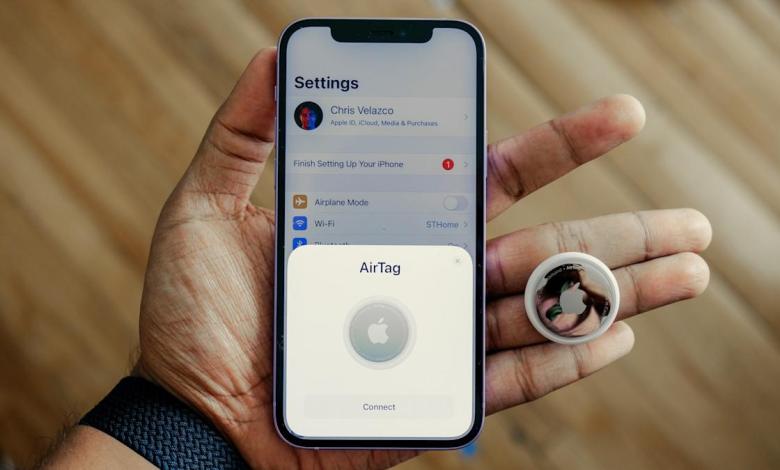
Apple’s AirTag is designed to help people keep track of their personal belongings such as keys, bags and luggage. But since AirTags and other Bluetooth trackers are small and discreet, concerns about unwanted tracking are understandable. Apple has spent years building protections into the AirTag and Find My network to reduce the risk of misuse and alert people if a tracker they don’t own appears to be moving with them.
If you’re wondering if an AirTag or similar tracker could be tracking you, here’s how Apple’s unwanted tracking alerts work, what notifications to look for, and what you can do on iPhone and Android.
How AirTag tracking alerts work
AirTags, compatible Find My network accessories, and certain models of AirPods use Apple’s Find My network, which relies on Bluetooth signals and nearby devices to update their location. To prevent misuse, Apple designed these products with features intended to alert someone if a tracker not linked to their Apple account appears to be traveling with them.
If an AirTag or other compatible tracker becomes separated from its owner and detected near you over time, your device may display a notification or the tracker itself may play a sound. These alerts are intended to discourage someone from secretly following another person without their knowledge. Apple also worked with Google on a cross-platform industry standard, so alerts can appear on iOS and Android devices, not just iPhones.
How to Make Sure Tracking Alerts Are Enabled on Your iPhone
If you’re using an iPhone or iPad, tracking notifications are enabled by default, but it’s worth confirming your settings.
To receive unwanted tracking alerts, make sure that:
-
Your device is running iOS 17.5 or later (or iPadOS 17.5 or later). Versions before iOS 14.5 support basic AirTag alerts, but newer versions add broader compatibility with other trackers.
-
Location services are enabled.
-
Tracking alert notifications are allowed.
-
Airplane mode is disabled.
You can check them by opening Settingsthen go to Privacy and security, Location Services and Notifications. Apple also recommends enabling Important places in the System services menu, which helps your device determine when an unknown tracker has traveled with you to places like your home.
-
Go to Settingsfaucet Privacy and securitythen select Location Services.
-
To fall over Location Services on.
-
Scroll down and tap System Servicesthen switch Important places on.
If these settings are disabled, your iPhone may not be able to alert you when an AirTag or similar device is nearby.
What tracking alerts look like
If your iPhone detects a tracker that doesn’t belong to you moving with you, you may see a notification like:
-
AirTag found moving with you
-
“Product Name” found moving with you
-
Unknown accessory detected
Tapping the alert opens the Find My app, which displays a map of where the item was detected near you. The map uses dots to indicate locations where your device has noticed the nearby tracker. This does not mean that the owner was actively monitoring your location at those times, just that the tracker was detected nearby.
In some cases, the alert may have an innocent explanation. For example, you could borrow someone else’s keys, bag, or AirPods. If the item belongs to someone in your Family Sharing group, you can temporarily pause alerts for that item by tapping the notification and choosing to turn off alerts for that item for a day or indefinitely.
What to do if you hear an AirTag making a sound
If an AirTag or compatible tracker has been separated from its owner for a period of time and is moved, it may make a sound on its own. This is another built-in security feature intended to draw attention to the device.
If you hear an unusual chirp or beep, especially from a bag, jacket pocket, or vehicle, it’s worth checking your belongings to see if there’s an AirTag or similar tracker inside.
How to find an unknown AirTag or tracker
If you receive an alert and think the tracker is still with you, the Find My app offers tools to help you locate it.
From the alert, you can choose to play a sound on the device to help you identify where it is hidden.
-
Tap Continue, then tap Play sound.
-
Listen to the sound or listen to it again to give yourself more time to find the object.
If the tracker is an AirTag and you have a compatible iPhone with ultra-wideband connectivity, you may also see a Find Nearby option, which uses Precision Search to guide you towards it with distance and direction indicators.
-
Faucet Continue then press Find nearby.
-
Follow the on-screen instructions. You may need to move around in space until your iPhone connects to the unknown AirTag.
Your iPhone will display the distance and direction of the unknown AirTag, so you can use this information to identify where the unknown AirTag is. When the AirTag is within Bluetooth range of your iPhone, you can press the Play sound button to listen to it. You can also press the Turn on the flashlight button to provide more light if needed.
If neither option is available or the tracker cannot be located electronically, check your belongings manually. Look through bags, pockets, jackets and vehicles. If you feel unsafe and cannot find the device, Apple recommends that you go to a safe public place and contact local law enforcement.

The new Apple AirTag that works with the Find My app. (Apple)
How to get information about an AirTag
If you find an unknown AirTag, you can learn more about it without needing to unlock it or log in.
-
Hold the top of your iPhone or any NFC-enabled smartphone near the white side of the AirTag. A notification should appear.
-
Tap the notification to open a web page with details about the AirTag. This page includes the serial number and the last four digits of the phone number associated with the owner’s Apple account.
If the AirTag has been marked lost, the page may also include a message from the owner explaining how to contact them. This can help determine whether the situation is accidental or intentional.
How to deactivate an AirTag that isn’t yours
If you confirm that an AirTag is tracking you and it doesn’t belong to you, you can turn it off so it stops sharing its location.
On the Find my alert or information page, select Instructions for disabling and follow the steps indicated. For an AirTag, this usually involves removing the battery, which immediately stops location updates. Turning off Bluetooth or turning off location services on your phone doesn’t stop the AirTag from reporting its location. The device itself must be disabled.
If you believe the tracker has been used maliciously, keep the AirTag and document its details before contacting law enforcement. Apple says it can provide information to authorities when required by law.
What Android Users Should Know
Android devices running Android 6.0 or later can also receive alerts if a compatible Bluetooth tracker, including an AirTag, appears to be moving with you. These alerts are enabled automatically on supported versions of Android.
Android users can also manually search for unknown trackers at any time. Additionally, Apple offers a free Tracker Detect app on the Google Play Store. The app allows Android users to search for AirTags and Find My network accessories within Bluetooth range that are separated from their owner. If Tracker Detect finds a nearby AirTag that has been with you for at least 10 minutes, you can play a sound to help you locate it.
Conclude
While no system is perfect, Apple has built multiple layers of protection into AirTag and the Find My network to reduce the risk of unwanted tracking. With alerts, sound warnings, and cross-platform detection on iOS and Android, most people will be notified if a tracker they don’t own moves with them. Knowing what these alerts look like and how to respond to them can help you stay informed, avoid unnecessary panic, and take appropriate action if something goes wrong.


