How to set up an Apple Watch for a child

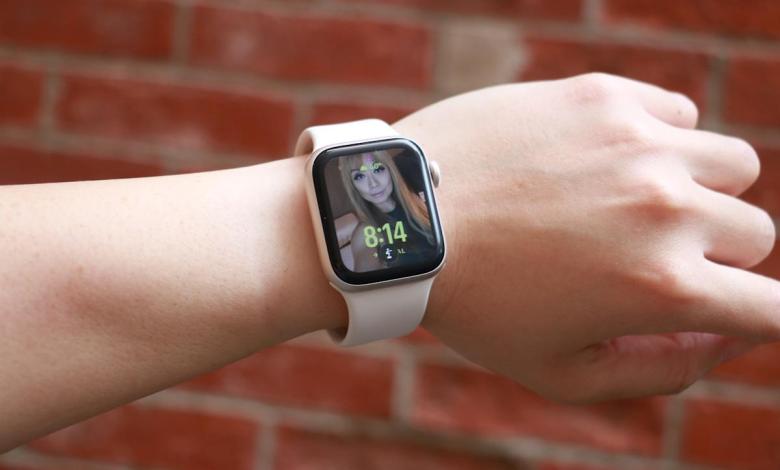
Giving a child an Apple Watch can provide additional peace of mind and tools that promote independence in a controlled way. Apple’s Family Settings feature allows a child to use an Apple Watch without owning an iPhone, and the feature set has expanded with recent watchOS updates. It supports communication controls, location tools, school time limits, and privacy protections that allow a parent or guardian to manage how the device is used throughout the day.
The setup process begins by creating or signing in with a child’s Apple ID. This continues by adding them to your Family Sharing group on an iPhone and pairing a compatible Apple Watch through the Apple Watch app. Once the watch is connected, you can set a series of parental controls that determine how the watch works at home, at school, and when the child is on the go.
Confirm device compatibility
Family setup requires a cellular-enabled Apple Watch such as Apple Watch SE or Series 6 or later. A cellular connection allows the watch to operate independently without an iPhone nearby. The watch must be running a recent version of watchOS, and the iPhone used for setup must be running the latest version of iOS.
If the watch is not new, it must be erased before it can pair with a new user. This can be done directly on the watch via the Settings menu by choosing the master reset option. Once the device is reset, it can be paired again from the Apple Watch app.
Create or prepare your child’s Apple ID
The family setup is based on the fact that each child has their own Apple ID. This allows their data, messages, activity goals, and device settings to remain separate from other people in the household. If your child already has an Apple ID, it can be used during setup. If they don’t have one, the Apple Watch app will prompt you to create one as it goes through the pairing process.
A child’s Apple ID is linked to Family Sharing, which allows the organizer to manage permissions from a single iPhone. A parent or guardian can approve contacts, manage screen time requests, and view location updates without having to touch the watch itself. Setting this up first ensures that the watch can be paired smoothly later.
Add the child to Family Sharing
Family Sharing is the basis of watch management, and everything is controlled through the Settings app on your iPhone. Once Family Sharing is open, you can tap the option to add a family member, then follow the instructions to link the child’s Apple ID to the group. It also makes you the family organizer, giving you control over purchase approvals, communication limits, and other shared features.
Once the child is added to Family Sharing, their information becomes available when you start pairing Apple Watch. This makes the process faster since the watch can immediately pair with the correct Apple ID.
Pair the watch using Family Setup
Turn on Apple Watch and place it near your iPhone. A prompt should appear asking you to use your iPhone for setup. If the prompt doesn’t appear, you can open the Apple Watch app, go to All Watches, and choose Add Watch. The app will then ask you if the device is configured for you or a family member. Choose the family member option and continue.
Your iPhone’s camera is used to pair the devices. Align the Apple Watch face inside your screen bezel until the pairing animation is recognized. Once the connection is established, the app will ask which family member the watch is intended for. Select the child’s profile to continue the remaining steps.
The app will guide you through choosing which wrist the watch will be worn on, setting a password, signing in with the child’s Apple ID, and activating services like Siri and location tracking. You can also set activity goals tailored to the child’s age and fitness level.
Manage the watch from your iPhone
Once the Apple Watch is paired, the Watch app becomes the main place to manage its operation. The Family Settings interface is designed to give control to parents and guardians without having to directly manipulate the watch. Most settings can be made at any time from the iPhone used for setup.
Screen Time controls allow you to set communication and app usage limits. You can restrict access to certain features at specific times of day, create downtime schedules, and manage content restrictions for websites and apps. These settings mirror the Screen Time system used on other Apple devices, making it easier to maintain consistent rules throughout the home.
Approved contacts can be managed through the communication limits menu. This ensures that the child can send messages and make calls only with approved people. If you add or remove contacts, they are updated instantly on the watch.
Location sharing is managed through the Find My app. You can view the child’s location and set notifications that alert you when they arrive or leave a particular location. This is useful for school pickups or after-school activities. The watch uses on-device processing for location and messages, which helps maintain privacy.
Configure Schooltime and Focus modes
School time is one of the most important parental controls for young users. It limits interaction with the watch during class time by locking access to most apps and features. Only the time and a simple yellow icon appear on the screen when Schooltime is active. You can schedule Schooltime from the Apple Watch app so that it automatically turns on and off at the correct times each day.
Focus modes provide another layer of control. These modes can reduce distractions during homework, bedtime, or other family routines. Each Focus mode can limit notifications and activity alerts so the child isn’t interrupted when they need to focus.
Implement security features
Emergency SOS is enabled during setup and can be managed later in the Apple Watch app. It allows the child to contact emergency services by holding down the side button. You can also designate an emergency contact who will receive a notification if an SOS is triggered.
The medical ID must include relevant details such as allergies or health conditions. This information can be accessed by emergency responders if necessary.
Adjust privacy and communication settings
The watch uses on-device processing for messages, location, and Siri requests, helping to protect your child’s data. Location sharing can be turned on or off at any time, and you can manage which apps are allowed to use location services. Communication permissions can also be updated as the child’s needs change.
Apps installed on the watch can be controlled from the Apple Watch app. You can remove apps, restrict access, or hide notifications at any time to maintain a balanced experience.


:max_bytes(150000):strip_icc()/Health-taco-kit-recall-999192df96794866b10bab724c3edf66.png?w=390&resize=390,220&ssl=1 "Popular Taco Kits Sold in 28 States Pulled For Bizarre Seasoning Mix-Up")

