
Summary created by Smart Answers AI
In summary:
- Macworld explains how to prevent MacBooks from sleeping when the lid is closed, enabling downloads and background tasks to continue running.
- This matters for users wanting desktop setups with external monitors or uninterrupted processes like music playback and file transfers.
- Solutions include using the free Amphetamine app, enabling clamshell mode with external peripherals, or adjusting network wake settings in System Settings. Detailed instructions are provided below.
Many Mac users want to turn their MacBook into a desktop-style workstation, using an external display, keyboard, and mouse with the lid closed – a setup often called clamshell mode.
Running a MacBook this way can make sense for several reasons, from supporting multiple external monitors on certain Apple-silicon models to freeing up desk space and improving ergonomics. Others may want their Mac to keep working with the lid closed while it downloads files, runs backups, or plays music.
The problem is that macOS is designed to put a MacBook to sleep as soon as you close the lid. Apple does support clamshell mode (or closed-display mode), which lets you use a MacBook like a desktop by connecting an external display, keyboard, and mouse while the lid is closed. However, this setup comes with strict requirements: clamshell mode won’t work without an external monitor, and it can introduce performance or thermal trade-offs. If those limitations don’t suit your needs, there are alternative approaches – including third-party apps and system settings – that can keep a Mac awake with the lid closed.
In this article we cover: What you need to use a MacBook with the lid closed, the steps to follow to use a MacBook with the lid closed, different methods to stop a Mac sleeping when the lid is closed, how to play music or continue a download while a MacBook lid is closed, and how to turn on a MacBook with the lid closed.
Why would you want to use a MacBook with the lid closed?
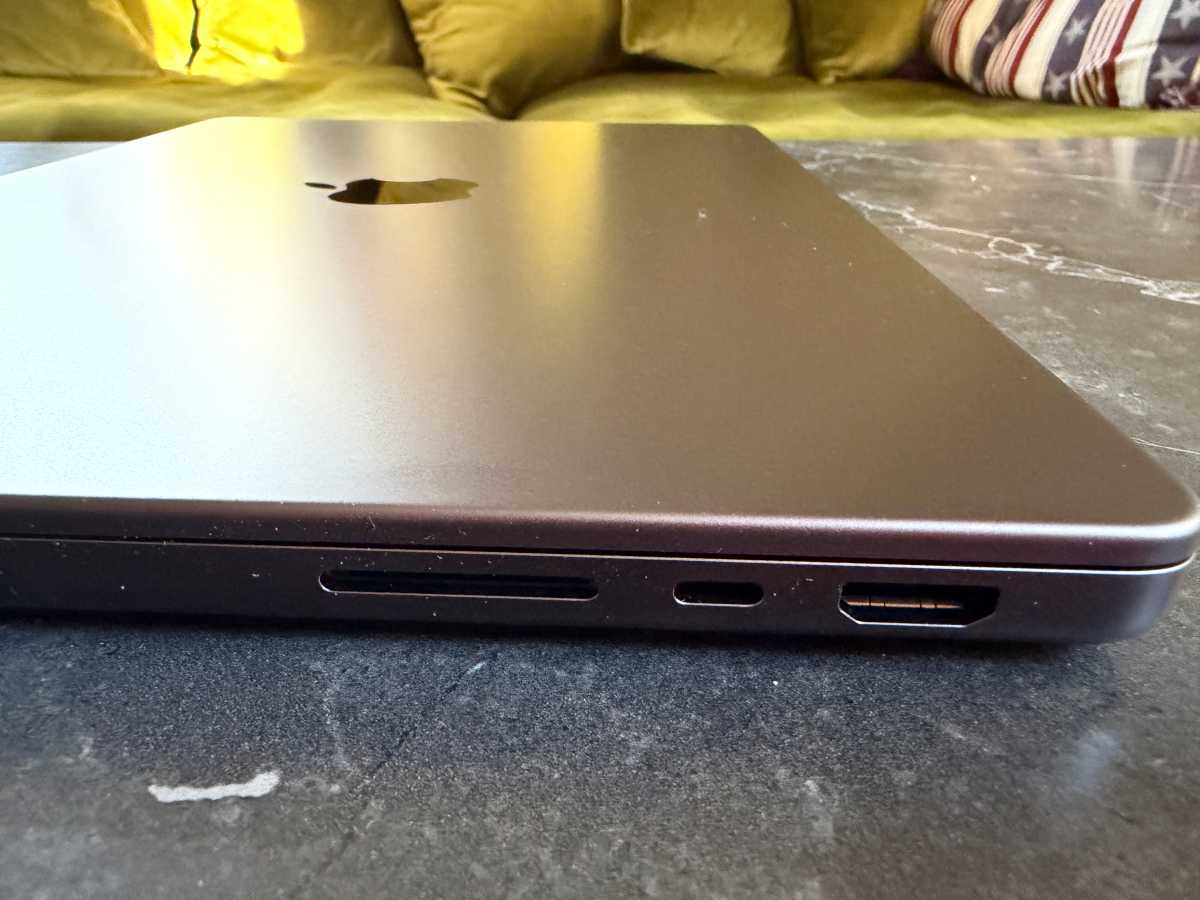
Using a MacBook with the lid closed.
Petter Ahrnstedt
There are several functional and technical reasons why you might choose to operate your MacBook with the lid closed.
Multi-Monitor Support: One key reason to keep the lid closed is if you wish to use more than one external display. For certain models, such as the M3 MacBook Air and the 14-inch M3 MacBook Pro (with macOS Sonoma 14.6 or later), closing the lid is a technical requirement to drive two external displays. On these “plain” M-series chips, the system natively supports two displays; by closing the lid, you disable the internal screen, allowing the hardware to power a second external monitor.
Desk Organization and Ergonomics: Using a MacBook in clamshell mode allows you to move it out of the way to free up physical desk space, perhaps tucking the laptop into a vertical stand or a docking station, significantly reducing its footprint on your desk. This is particularly useful if you prefer using a full-sized mechanical keyboard and a dedicated mouse rather than the built-in laptop peripherals.
Uninterrupted Background Tasks: You may want to close the lid while the Mac is busy with long-running tasks, such as downloading large software updates, syncing a Time Machine backup, or playing music during a DJ set. Normally, closing the lid puts the Mac to sleep, but specific settings or third-party apps like Amphetamine can keep the system active for these tasks.
See also: Best stands for MacBook and Best MacBook docking stations.
Why does my MacBook sleep when I close the lid?
Apple doesn’t officially support disabling sleep when the lid is closed without an external monitor and power source by default, but there are workarounds.
MacBooks are designed to enter a sleep state when the lid is closed primarily to manage power consumption and protect the hardware. This automatic transition helps preserve battery life and prevents the device from overheating while stored in a confined space like a backpack.
The reasons for this behavior include:
Power Management: Closing the lid triggers a standby mode that significantly reduces power usage. For instance, newer memory standards like LPCAMM2 can reduce standby power usage by up to 80% compared to older modules.
Hardware Protection: If a MacBook remains active while closed in a bag, it can overheat and become really hot because it is still processing tasks without adequate ventilation.
Automatic Updates: While asleep, macOS may occasionally wake the system to install updates or sync data, though this can sometimes lead to the device becoming unexpectedly warm if it doesn’t return to sleep properly.
What do I need to use a MacBook with the lid closed: Clamshell Mode
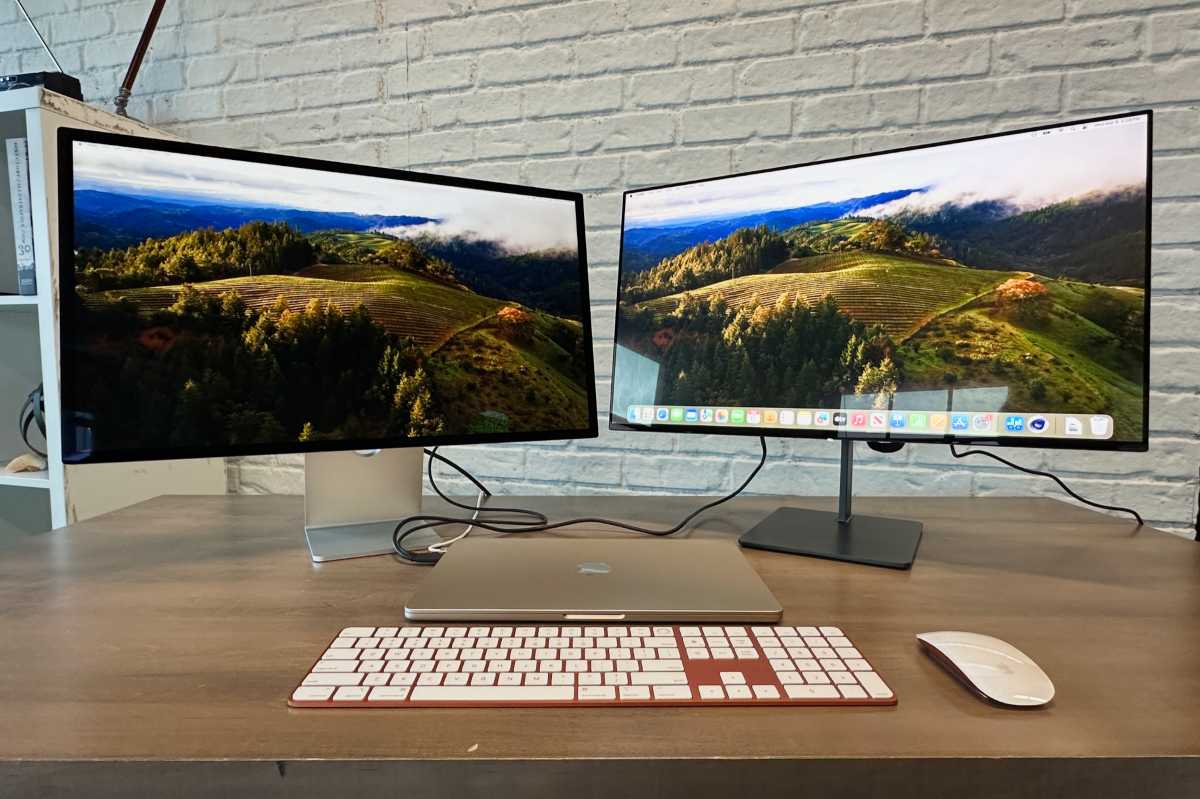
Foundry
To operate your MacBook with the lid closed, you must have specific external hardware connected and meet the following requirements:
External Display: The Mac must be connected to an external monitor.
Power Source: While older versions of macOS often required the MacBook to be plugged into a power adapter to stay awake in this mode, newer versions and Apple Silicon models may function on battery power, though keeping it plugged in is still recommended for consistent performance. Clamshell mode is more reliable when the MacBook is plugged into a power adapter.
External Peripherals: You must have an external keyboard and mouse (wired or Bluetooth) to wake and control the computer.
Up-to-date software: Using a MacBook with the lid closed is a lot simpler than it used to be if you are using a newer Mac and a newer version of the Mac operating system. In fact, if you are experiencing issues using your Mac with the lid closed then it is likely that you could address this by updating your Mac to a recent version of macOS, assuming your Mac supports it (see our macOS compatibility checker). Newer versions of macOS have made this process much smoother, resolving many of the bugs that plagued older Intel-based MacBooks.
How to use a MacBook with the lid closed
Follow these steps to use your laptop as a desktop computer by connecting it to external peripherals while the built-in display is shut.
- Connect a keyboard, monitor and mouse to your MacBook. If you are using a Bluetooth mouse and keyboard, make sure that Bluetooth is enabled and that the peripherals are paired with the Mac.
- Turn on the laptop.
- Wait for your macOS desktop to appear on the external monitor.
- After your Mac notebook’s Desktop appears on the external display, close the computer’s lid.
- Your external monitor may flash off for a moment, but it will then show your Desktop (if this doesn’t automatically happen you may need to wake your Mac by pressing a key on the external keyboard or moving the mouse).
- You may find that your MacBook needs to be plugged in via the power adapter for the screen to appear on the external monitor, but ours didn’t.
You can read more about using a second display with your Mac here.
But even with these settings, if you aren’t attached to an external monitor closing the lid will cause the Mac to sleep.
What if you don’t want to plug in an external display? Read on…
How to stop a MacBook from sleeping when the lid is closed
Suppose you don’t want your MacBook to sleep when you close the lid? Maybe it is busy downloading something and you don’t want it to stop, but you need to carry it somewhere. Or maybe you’ve left it downloading an update overnight or syncing your Time Machine backup, and you’d prefer not to see the backlit keyboard. In another scenario you might want to play music from the MacBook without having to have the lid open – something likely to appeal to a few DJs.
The problem is that your Mac will go to sleep when you close the lid if it’s not plugged in and connected to an external display.
To stop a MacBook from sleeping when the lid is closed – specifically when it is running on battery power and not connected to an external monitor – you generally need to use third-party software or advanced system commands. By default, macOS is designed to enter sleep mode in this state to preserve battery life and prevent overheating.
Option 1: Use a Third-Party App
The most reliable way to achieve this is through free utilities designed to override macOS sleep settings.
Our recommendation is Amphetamine, which is free and can be downloaded from the Mac App Store:
As noted in our round up of the best free Mac apps, Amphetamine will keep your Mac awake. Featuring a menu bar-based interface, the app lets you temporarily override your Mac’s sleep schedule (even when your MacBook’s lid is closed) and even adds a few useful features like activating only when connected to specific Wi-Fi networks and keeping only certain drives awake.
To configure Amphetamine for this specific scenario, follow these steps:
- Download and open Amphetamine from the Mac App Store.
- Click the pill-shaped icon in your menu bar and select Quick Settings.
- In the Session Defaults section, uncheck the box for “Allow system sleep when display is closed”.
- Start a new session (e.g., “Indefinitely” or “While App is Running”) to keep the Mac awake after closing the lid
Alternatively, Caffeinated is available on the Mac App Store here for $3.99/£3.99, this app also overrides the Energy Saver settings to keep your Mac awake, preventing your Mac from going to sleep.
Option 2: Use Terminal Commands
If you prefer not to install third-party software, you can use the Terminal to disable sleep mode entirely.
- Open Terminal.
- Enter the following command: sudo pmset -a disablesleep 1
That should stop your Mac sleeping.
Please note that using this command will prevent the Mac from sleeping in all scenarios until you reverse it by entering:
sudo pmset -a disablesleep 0
Option 3: Older macOS versions only
In macOS Monterey and older it was possible to stop the Mac sleeping with the lid shut. Unfortunately, later versions of macOS are designed to enter sleep mode in this state to preserve battery life and prevent overheating.
- Open System Preferences.
- Go to Battery (or Energy Saver).
- Select “Prevent your Mac from automatically sleeping when the display is off.”
How to play music with your Mac’s lid closed
You can use the free Amphetamine app (mentioned above) to keep your Mac awake while the display is closed, here’s how:
Once installed on a Mac you will find a pill-shaped icon in the menu bar at the top of the screen. You can choose from options such as Start New Session While File is Downloading or While App is Running.
If you want to keep Music (or what app you are using) running with the lid closed, first, you need to have that app open. Then follow these steps:
- Click on the Amphetamine icon in the menu bar.
- Click on Quick Settings.
- In the Session Defaults section, deselect “Allow system sleep when display is closed.”
- Go back to the main menu and select While App is Running and pick Music or the app you are using. If your app is not open, it will not appear in the list. Only apps that are running appear.
- You will now be able to shut your Mac’s lid and continue listening to Music.
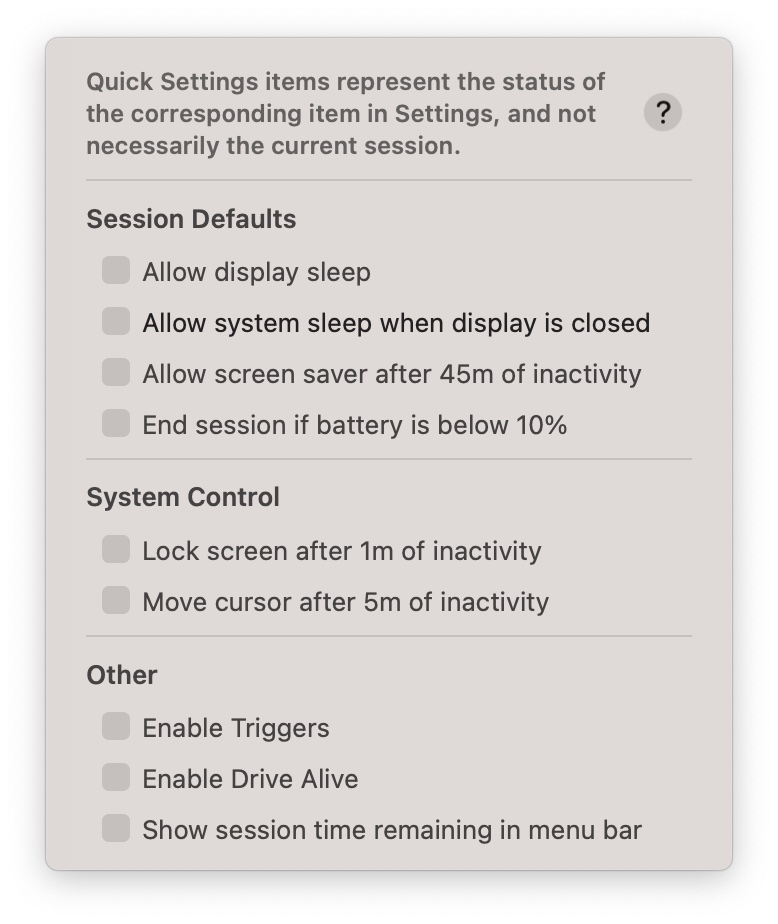
Foundry
How to continue a download with a MacBook lid closed
Foundry
To continue a download with your MacBook lid closed, you generally need to prevent the system from entering its default sleep mode. While macOS typically sleeps when the lid is shut to save power, you can override this behavior using built-in system settings or third-party applications.
You could also use Amphetamine if you wanted to download something with the screen closed, but the most direct way to ensure downloads continue in the background without third-party software is to enable “Wake for network access.” This allows your Mac to perform background tasks, such as downloading updates or syncing data, even while it is technically sleeping.
In macOS Ventura and later
- Open System Settings.
- Go to Battery.
- Click on Options.
- Make sure that “Wake for network access” is set to Always.
In macOS Monterey and older
There is a similar setting in Monterey and older that you can use to make sure downloads continue in the background.
- Open System Preferences.
- Go to Battery (or Energy Saver).
- Choose “Wake for network access.”
To use Amphetamine for downloads with the lid closed, follow these steps:
- Click the Amphetamine icon in the menu bar and select Quick Settings.
- Deselect Allow system sleep when display is closed.
- Start a session by selecting While File is Downloading or While App is Running (selecting your browser or download manager)
See: How Apple has revamped System Preferences in macOS Ventura.
How to turn a MacBook on with the lid closed
One related problem you might come across if you are using your Mac with the lid closed is that when it comes to turning your Mac on it would seem that you have to open the lid to press the power switch… Luckily there is a workaround for that scenario that you might find useful.
If your setup means your MacBook is attached to a display you will be able to use it without having the display open – but what about when you need to turn it on? At that point, you will need to open the lid to press the Power button right? Not necessarily.
It’s easy to wake your MacBook from sleep without opening the lid. Just click or move the mouse or tap on the keyboard. But what if you want to start the Mac up without opening the lid to reveal the power button?
Can it be done? It can! (Sort of)
macOS Ventura and later
In older versions of macOS it was possible to set your Mac to switch on and off at certain times of the day. Unfortunately, this is no longer as simple to set up.
To schedule your Mac to turn on or off in macOS Ventura or later you need to use Terminal. Follow these steps:
- Open Terminal.
- enter one of the following pmset commands:
pmset -g sched(See the current schedule).sudo pmset repeat wake M 8:00:00(Schedule your Mac to wake at 8:00 a.m. every Monday.)sudo pmset repeat cancel(Cancel the current schedule.) - Press Return.
For more advice about how to do this consult Apple’s support page.
We also cover How to schedule your Mac to turn on and off separately and How to set the power scheduler that disappeared in macOS Ventura.
macOS Monterey and older:
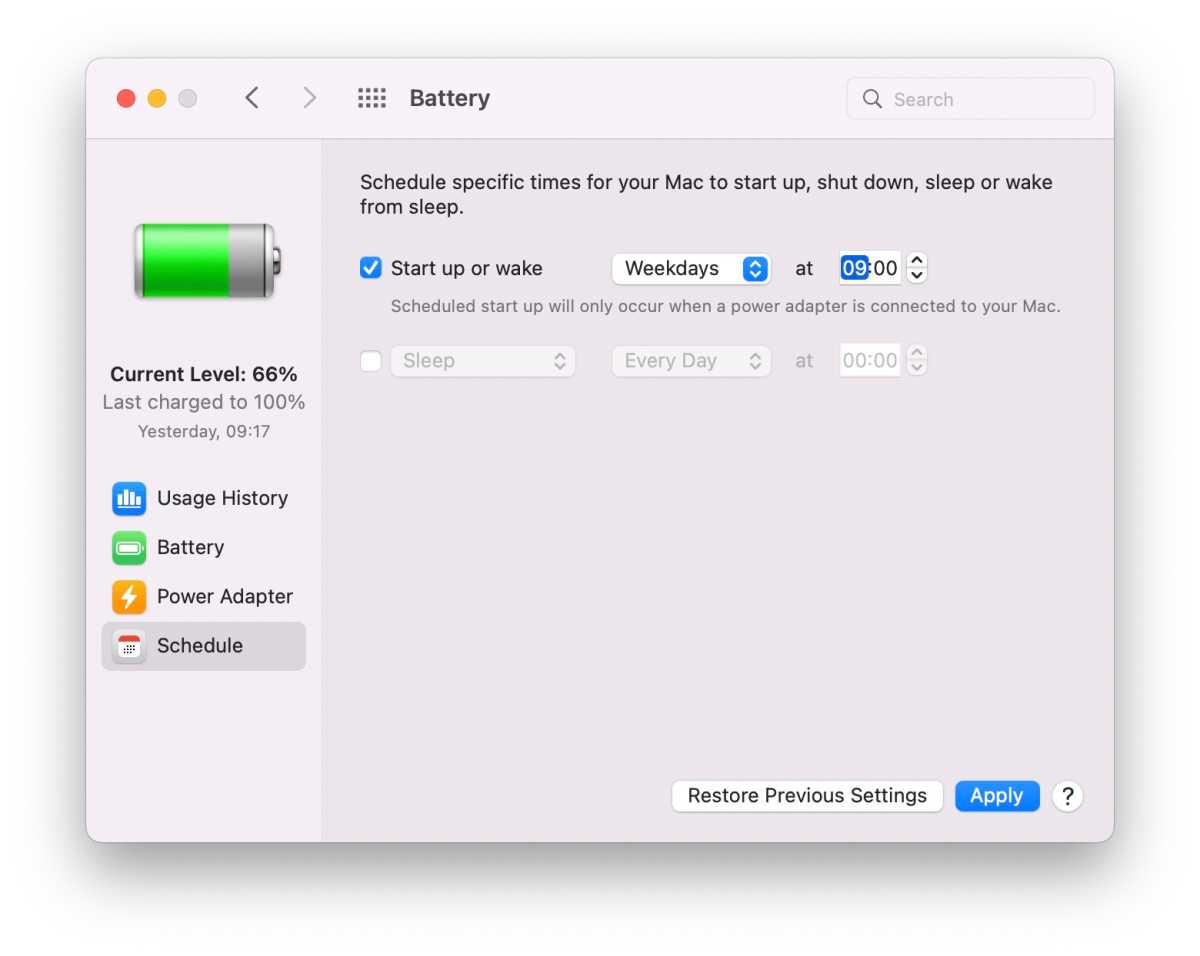
There is a setting in Monterey and older that lets you set your Mac to switch on at a particular time.
- Open System Preferences.
- Click Battery (or Energy Saver in older versions).
- Click Schedule.
- Now click beside Start Up or Wake and choose the days and times you want your Mac to start up. Note that the Mac will only turn on when it is plugged into power–you could just leave the Mac unplugged, and then when you want it to start up, simply plug it in.
Foundry


