HP’s newest keyboard is a full-blown Ryzen PC, with a battery


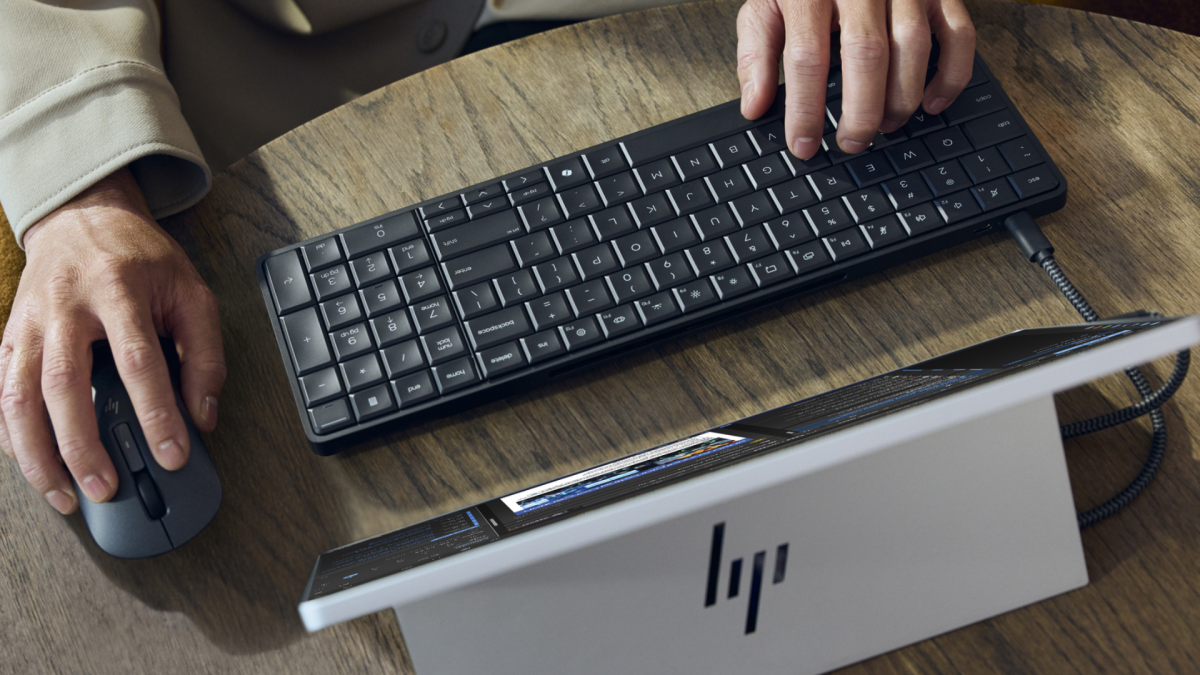
If you’re old-timer to the world of personal computers, you probably remember form factors like the Commodore 64, which placed an entire PC (without a monitor) under the keyboard. This form factor has been attempted several times, most recently by Raspberry Pi. But HP thinks it’s time for a higher-power revitalization. Enter the “EliteBoard”.
HP
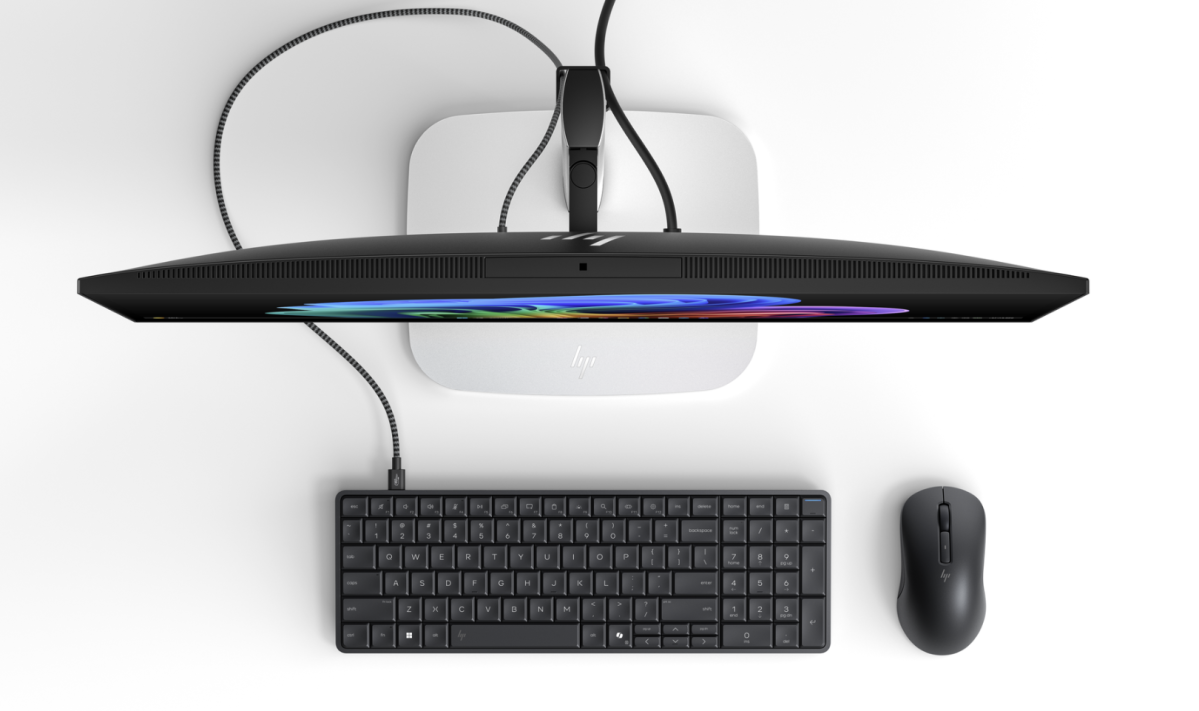
This unassuming keyboard with a number pad hides a laptop’s guts inside. And no shortage of laptops either: up to an AMD Ryzen AI 350, complete with RAM, storage, wireless, external ports and, on the most interesting model, a battery. (A wired-powered version of the EliteBoard G1A replaces a USB-C port with a permanently attached cable.) That means that not only does this device use laptop ports, but it can function effectively as one, if you can add a USB-powered monitor and perhaps a mouse.
Why carry all this gear instead of a laptop? HP says it’s designed for hybrid workers who are constantly traveling between their home office and a corporate office, the idea being that you can move from one dock to the other without any problems. A laptop would certainly perform better if you’re constantly working from the road, but this keyboard-only design is lighter and more user-friendly, at just 1.7 pounds (768 grams).
Michael Crider / Foundry
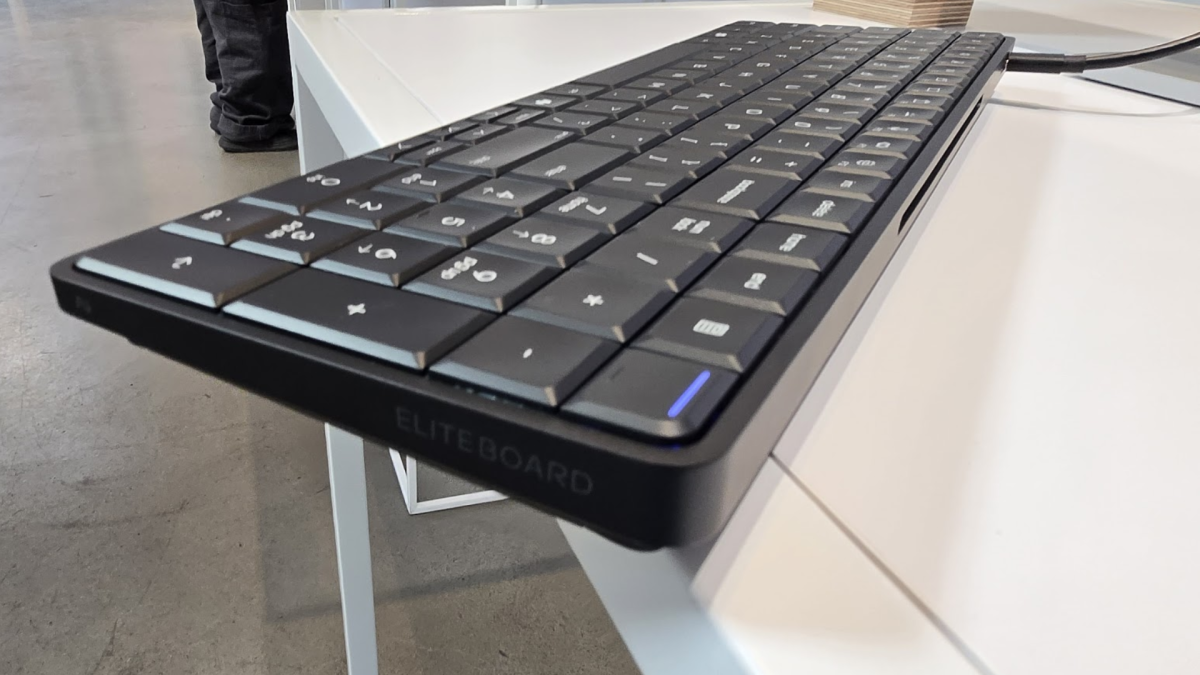
Handling the device, you can’t immediately tell that it’s more than just a keyboard, although it is bulky given the low-profile keys. The only clues are two USB-C ports (only one on the model with permanent power cable and no battery) as well as the fan inlet and exhaust. HP representatives told me that because this device is aimed at enterprise workers, the RAM (DDR5, up to 64 GB) and storage (gen4, 2 TB maximum) are user-replaceable.
I asked to see inside. They said no.
If there’s one thing that’s disappointing about the design, it’s that the keyboard itself is rather uninspiring. It looks like something straight out of a laptop, not bad, but its scissor mechanism on a membrane is pretty tame compared to even a basic mechanical board, like the Raspberry Pi 500. You can at least replace the keyboard portion of the design if it needs repair, which is something IT managers will probably be happy to hear.
HP
It’s certainly an intriguing design. I would be interested to see how many orders HP receives from customers like hotels or schools, who can use a device like this without a screen. I suspect HP is hesitating here, testing the waters before jumping into a relatively specialized form factor. But even so, I’d like to see it offered as a consumer model, perhaps even paired with a USB display for those times when you just need to get some work done without a connection.


