Trump administration moves to roll back some Endangered Species Act protections


The Trump administration moved Wednesday to weaken the popular Endangered Species Act in an effort to restore changes made during the president’s first term that were later blocked by a federal judge.
The proposed changes include eliminating the U.S. Fish and Wildlife Service’s “general rule” that automatically protects animals and plants when they are listed as threatened. Instead, government agencies would have to develop species-specific protection rules, a potentially lengthy process.
The administration’s announcement responds to long-standing calls from Congressional Republicans and industries, including oil and gas, mining and agriculture, for an overhaul of the 1973 Endangered Species Act. Critics say the law has been applied too broadly, to the detriment of economic growth.
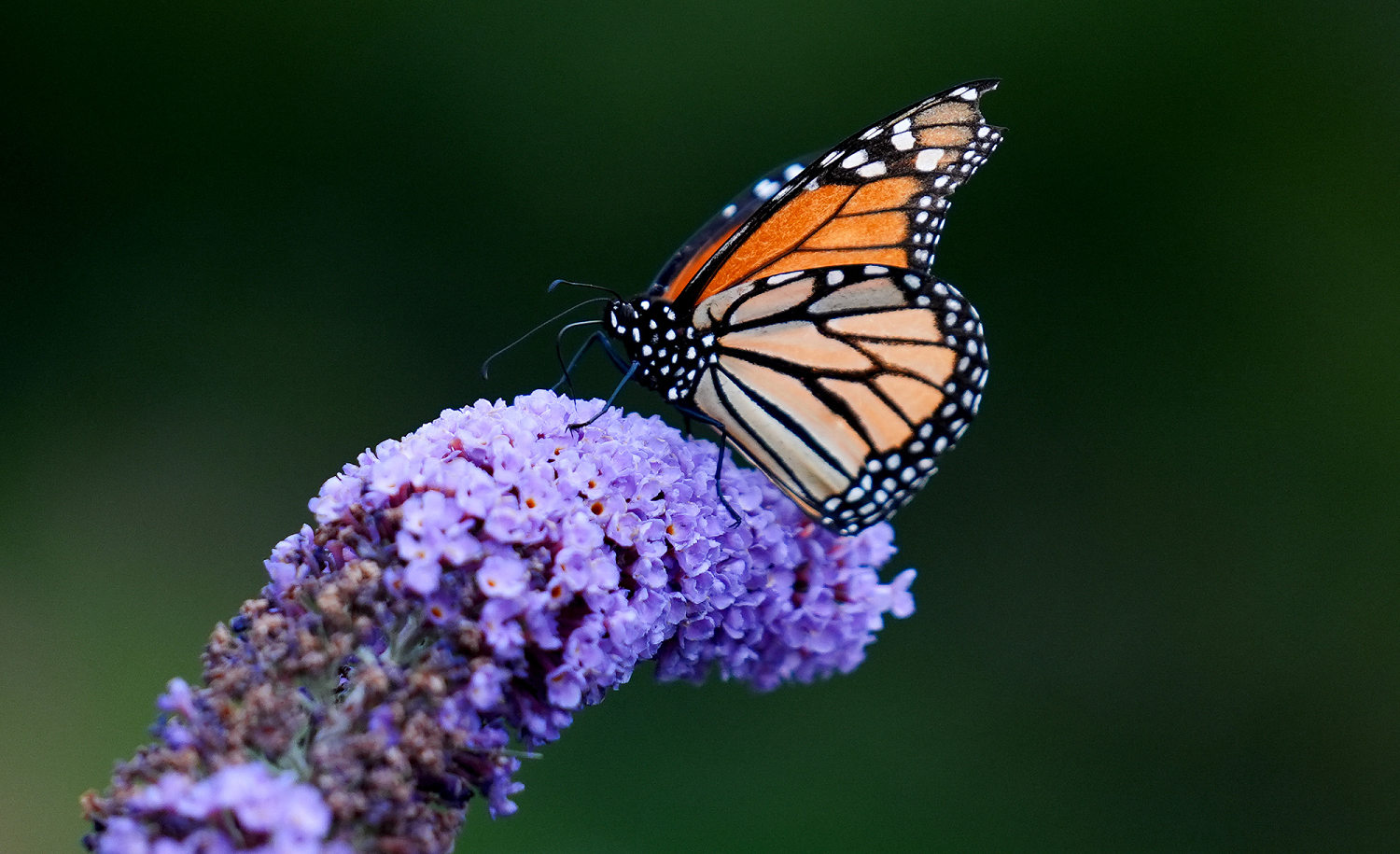
But environmentalists have warned the changes could cause years-long delays in efforts to save species such as the monarch butterfly, the Florida manatee, the California spotted owl and the North American wolverine.
“They’re trying to take us back to the first time they weakened the law,” said Rebecca Riley, executive director of the Natural Resources Defense Council. “We fought this, and the Biden administration reversed many of the worst changes they made, and they’re getting ready to put them back in place. »
Scientists and government agencies say extinctions have accelerated globally due to habitat loss and other pressures. Previous proposals during Trump’s second term would revise the definition of “harm” in the Endangered Species Act and potentially circumvent species protections for logging projects in national forests and on public lands.
Interior Secretary Doug Burgum said in a statement that the administration was restoring the original intent of the Endangered Species Act while respecting “the livelihoods of Americans who depend on our lands and resources.”
“These revisions end years of legal confusion and regulatory overreach, providing certainty to states, tribes, landowners and businesses while ensuring that conservation efforts remain grounded in sound science and common sense,” he said.
Another change proposed Wednesday requires officials to weigh possible economic impacts before deciding which habitat is essential to a species’ survival, which environmental groups say is expressly prohibited by the 1973 law.
In practice, this could lead to species being classified as endangered while allowing practices to continue that further threaten their survival.
“What the Trump administration is trying to do is add this, let’s say you protect the spotted owl – how much will it cost? They’re trying to force this into consideration, which until now has not been part of decisions to protect species for their critical habitat,” said Noah Greenwald, co-director of the Endangered Species Program at the Center for Biological Diversity.
The case of the Yarrow spiny lizard in the Southwest illustrates the potential consequences of the administration’s proposals. Rapidly warming temperatures have ravaged a population of lizards in Arizona’s Mule Mountains, pushing the reptiles higher up the mountainsides, toward the highest peaks and perhaps toward extinction.
A petition filed Wednesday calls for protection of the lizard and designation of critical habitat. Supporters say analyzing economic impacts could delay protections. Designating critical habitat could pose another hurdle, as the primary threat to this population of spiny lizards is climate change.
“We believe the species should be listed as endangered. In fact, we are somewhat shocked that it is not already extinct,” said John Wiens, a professor of ecology and evolutionary biology at the University of Arizona who co-authored the petition.
The Interior Department was sued over the general protection rule in March by the Property and Environmental Research Center (PERC) and the Rocky Mountain Elk Foundation. Both groups argued that the rule was illegal and discouraged states and landowners from contributing to species recovery efforts.
Species designated as “threatened” under the general rule are automatically eligible for the same protections as those with the more severe designation of “endangered.” This could make landowners indifferent to the fate of a species, because even if they work to have a species downlisted from endangered to threatened, government restrictions might not be eased.
PERC Vice President Jonathan Wood said Wednesday’s proposal was a “necessary course correction” from the Biden administration’s actions.
“This reform recognizes the illegality of the blanket rule and puts recovery at the heart of the Endangered Species Act,” Wood said.
During his first term, Trump officials also rolled back protections for some species, including the northern spotted owl and the gray wolf.
The spotted owl ruling was reversed in 2021 after officials said Trump appointees used flawed science to justify opening millions of acres of West Coast forest to possible logging. Wolf protections across most of the United States were restored by a federal court in 2022.
The five-decade-old Endangered Species Act remains widely popular. A review of polls from this year found that as many as 84% of Americans favored the law’s protections.


.jpg.png?w=390&resize=390,220&ssl=1 "Your Weekly Horoscope: December 28 to January 3, 2025")
