Windows 11 has built-in settings to reduce CPU bottlenecks. Use them


Many Windows PCs feel sluggish in everyday use, even though their hardware specs suggest otherwise. The reason? The CPU handles tasks that the graphics card, SSD, or networking chip could handle more efficiently. Windows 11 offers several options to change this.
You can shift the computing load by smoothing performance spikes, reducing fan noise, and making the system more responsive, all without additional tools or risky interventions. Start with hardware-accelerated GPU scheduling, which allows Windows to offload some of the graphics handling and window rendering to the GPU.
First of all, open Windows Settings using Win-I shortcut. Go to System > Display > Charts and open Advanced graphics settings. Enable Hardware-accelerated GPU scheduling and restart your PC.
This reduces CPU load during typical daily desktop use and multitasking, especially with modern graphics cards and up-to-date drivers. Next, it’s worth checking the network card, as many models can handle checksums and packet processing themselves.
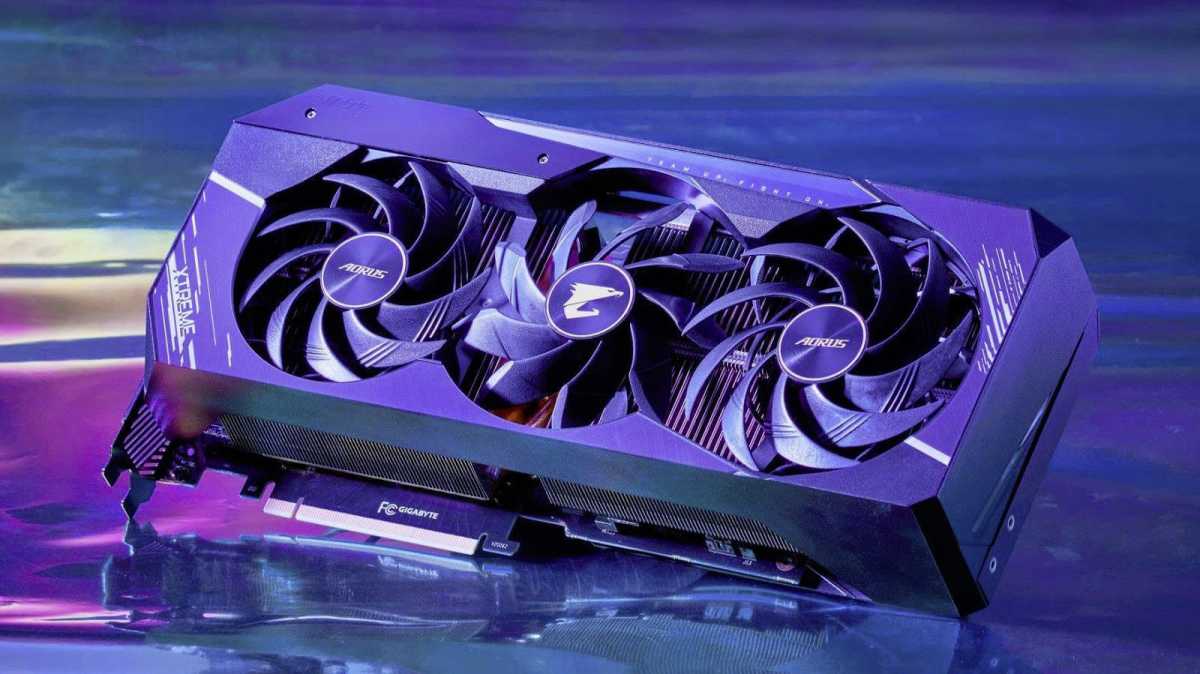
Nvidia
Open device Manager using the Win-X key combination and select the corresponding entry in the context menu. Now expand the Network adapters section. Right-click on the relevant adapter and select Properties.
Then, in the Advance check entries like Unloading the checksum, Large Shipment OffloadAnd Receive lateral scaling. Enable the options in the drop-down menu next to them and apply the changes. Now test if CPU usage decreases during downloads, streaming, or large file transfers.
If connection problems occur, undo the last change. Note that names may vary by manufacturer. For games, the Direct storage The option can help, as it allows data to be transferred more directly from an NVMe SSD to the graphics card. This reduces CPU overhead when loading large resources.
Requirements include Windows 11, an NVMe SSD, and a compatible graphics card with up-to-date drivers. Additionally, the game in question must actually support Direct storage. You can check basic availability through the Xbox Game Bar, for example, which you can open using the Win-G shortcut. Look under gaming features.
In practice, the benefit usually manifests itself more in faster loading times and less I/O-related stuttering than in an overall increase in frames per second. Additionally, you must keep Hardware acceleration enabled in important applications. In Chrome or Edge browsers you will find it in the settings under System Or Performance.
In creative and video programs this is usually found in the preferences under Performance Or Hardware acceleration. Restart the affected application after making changes to ensure that decoding, effects, or rendering are reliably offloaded to the GPU.
If your system has both an iGPU and a dedicated GPU, go to Settings > System > Display > Graphics in the resource-intensive program and define performance under GPU Settings has Maximum performance. This prevents Windows from unnecessarily routing tasks through the integrated graphics unit and also using the CPU.
These tweaks have the greatest effect on systems that process many tasks in parallel, such as multimedia, creative work, and modern gaming. Follow the steps one by one and briefly check after each change whether the load curve improves.
Simply distribute tasks consistently to make your Windows PC run more efficiently and feel faster without the immediate need for new hardware.
This article was originally published on our sister publication PC-WELT and has been translated and localized from German.


