In Antarctica, photos show a remote area teeming with life amid growing risks from climate change

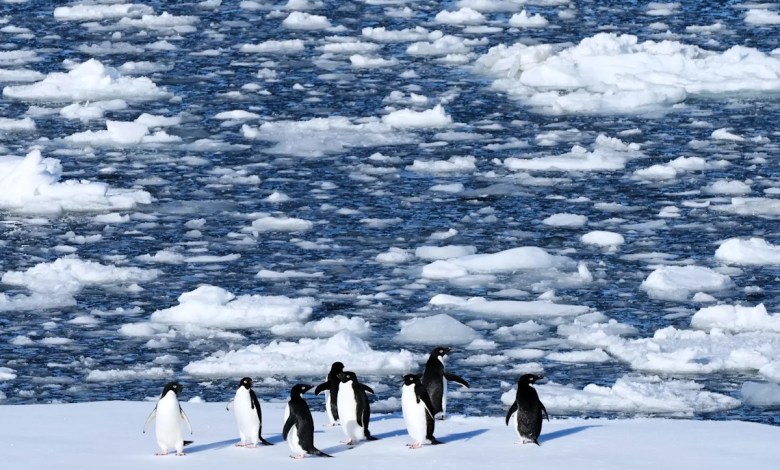
ANTARCTICA (AP) — The Southern Ocean is one of the most remote places on Earth, but that doesn’t mean it’s quiet. The tumultuous waves that can swallow ships ensure that the Antarctic Peninsula enjoys a constant hum of the ocean. Although it can be noisy, the view is serene: at first glance, it’s just deep blue water and blinding white ice.
Several hundred meters from the coast emerges a small boat with a few dozen tourists dressed in bright red jackets. They hold binoculars in the hope of seeing the orcas, seals and penguins that inhabit this tundra.
They are in the Lemaire Canal, nicknamed “Kodak Gap”, after the film and camera company, because of its cliffs and perfect ice formations. This narrow strip of navigable water gives anyone traveling this far south the opportunity to see the challenges of climate change, caused primarily by the burning of oil, gas and coal, which is driving a steady rise in average global temperatures.
The Antarctic Peninsula stands out as one of the fastest warming places in the world. The surrounding ocean is also a major reservoir of carbon dioxide, a greenhouse gas that contributes to warming. It captures and stores about 40% of CO2 emitted by humans, according to the National Oceanic and Atmospheric Administration.
Recently, Gentoo penguins, which sport thin orange beaks and white spots above their eyes, seemed to put on a show. They took breaks from their dives in the icy water to nest on exposed rocks. As the planet warms, they migrate further south. They prefer to colonize rocks and fish in open water, which allows them to grow in population.
Adélie penguins, however, do not have the same prognosis. Plump characters with short fins and large, bright eyes are not able to adapt in the same way.
By 2100, 60% of Adélie penguin colonies around Antarctica could be threatened by warming, according to a study. They rely on ice to rest and escape predators. If the water gets too hot, it will kill their food sources. From 2002 to 2020, about 149 billion tons of Antarctic ice melted each year, according to the National Aeronautics and Space Administration.
For tourists, Antarctica remains a huge glacial expanse that is home to only selected species capable of tolerating such harsh conditions. For example, in the Drake Passage, a dangerous strip of stormy ocean, tourists marvel as they watch orcas swim in the narrow strip of water and Pintado petrels soar above.
However, the majestic views of Antarctica will likely look very different in the decades to come. Growing colonies of gentoo penguins, dwindling chunks of floating ice, and increasing numbers of exposed rocks on the Antarctic Peninsula all highlight a changing landscape.
___
Associated Press writer Caleigh Wells contributed to this report from Cleveland.
___
Associated Press climate and environmental coverage receives financial support from several private foundations. AP is solely responsible for all content. Find AP’s standards for working with philanthropic organizations, a list of supporters, and funded coverage areas at AP.org.


