Injecting anesthetic into a ‘lazy eye’ may correct it, early study suggests


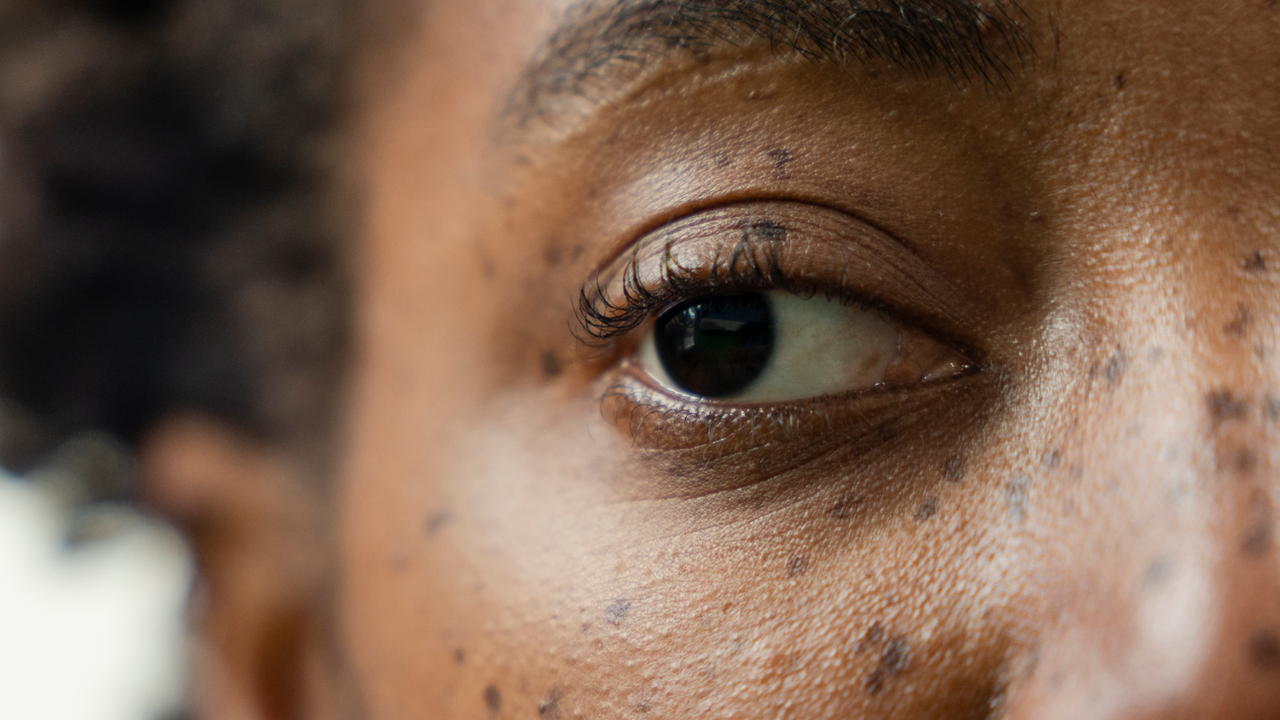
Researchers believe they have found a way to reverse “lazy eye,” even in adults who typically suffer from the condition since childhood.
The technique has so far only been tested in animals, so it requires further study before it can be used in human patients.
Now, a mouse study published Nov. 25 in the journal Cell Reports introduced a method to temporarily close the weak eye, which can lead to the cure of amblyopia even after long-term vision problems. The lazy eye “reboot” appears to come from a burst of activity in the neurons that transmit visual signals from the retina to the visual cortex, a hub of visual information processing in the brain.
“The finding that inactivation of the amblyopic eye allows recovery of vision in a mouse model of amblyopia is encouraging,” said Ben Thompsonprofessor and director of the School of Optometry and Vision Sciences at the University of Waterloo in Canada, who was not involved in the study.
But more research is needed to see if the method will also be safe and effective in humans, Thompson told Live Science in an email.
Dr Dennis Leviprofessor of optometry and vision sciences at the University of California, Berkeley, who was not involved in the study, was also cautiously optimistic about the results. Historically, scientists have tried various methods to reverse lazy eye in mice, but they “failed to produce significant improvements in humans with amblyopia,” he told Live Science in an email. But this new technique seems promising.
So how could temporarily closing a weak eye help restore its vision?
Previous work from MIT neuroscientist Marc Bear and colleagues showed that anesthesia of the non-lazy eye triggered visual recovery of the lazy eye in older animals, including cats and mice. Similar results were find in monkeyswhich could be good news for humans, Levi noted.
In the new study, the team hypothesized that blocking input from a retina causes neurons to fire in synchronized bursts in the thalamus, a part of the brain that handles incoming sensory information. Specifically, these bursts are observed in the lateral geniculate nucleus (LGN), a part of the brain that transmits information from the eyes to the visual cortex.
Similar bursts occur in the LGN before birth and help the visual system develop in the womb. This led the team to wonder whether recreating this early activity pattern could help treat amblyopia.
They tried to inject a local anesthetic called tetrodotoxin (TTX) in the mouse retina and then monitored rodent LGN neurons. TTX is a neurotoxin present in animals like pufferfishbut he also has potential therapeutic usesincluding anesthesia and treatment of severe pain. Research into these uses in humans is ongoing, but in this study, TTX was found to be useful in rebooting the retinas of mice.
The researchers found that closing either eye triggered the same burst pattern in the LGN. In a second experiment, they genetically modified the mice so that their LGN neurons could not produce this burst firing. The activity has stopped and the anesthetic treatment no longer improves the amblyopia. This showed that the bursts themselves were crucial for recovery.
Next, the team tested whether they could treat amblyopia by inactivating only the weak eye. They conducted an experiment in which some amblyopic mice received an injection into their weak eye, while others did not. The injection stopped the retina from sending signals for about two days.
A week after the injection, the scientists measured the extent to which each eye influenced the activity of the visual cortex and found that the treated mice had much more balanced input from both eyes than the untreated mice. This showed that closing the weak eye for a short time helped it “catch up” with the other eye.
Thompson said this result is encouraging “because the other eye should not be exposed to the risks of the treatment.” But he stressed that “further work is needed to assess whether tetrodotoxin will be safe and effective in humans.”
Previous studies suggest that TTX’s effects on amblyopia generalize to cats and monkeys, raising hope that this approach may one day help humans as well.
The finding that burst shots can help strengthen the brain’s ability to rewire and form new networks is “extremely interesting,” Thompson said. Non-invasive tools used to stimulate the brain could eventually be harnessed to trigger similar neuronal responses, without the need for TTX injections, he added.
This article is for informational purposes only and is not intended to offer medical advice.


