Investment scam costs Connecticut man his entire life savings of $228,000


NEWYou can now listen to Fox News articles!
When Joe A. from Shelton, Connecticut, received a text message about a crypto investment opportunity, he thought it was his chance to rebuild his life after a divorce. Instead, he lost every dollar he owned. Joe’s story is a heartbreaking reminder of how easy it is to fall for an online investment scam that promises quick success and easy money.
Joe allowed Cyberguy to tell his powerful story so that others can learn from his experience and protect themselves against similar scams. Here’s how it all happened and how you can protect yourself from falling into the same trap.
Sign up for my FREE CyberGuy Report
Get my best tech tips, urgent security alerts and exclusive offers straight to your inbox. Plus, you’ll get instant access to my Ultimate Scam Survival Guide – free when you join my CYBERGUY.COM bulletin.
HOW TO STOP Imposter Banking Scams Before They Empty Your Wallet

After access to his account disappeared, the scammers allegedly demanded more money to “reactivate” him. By then, Joe’s retirement savings had been wiped out. (Gabby Jones/Bloomberg via Getty Images)
How the Online Investment Scam Started
In August, Joe received a message from a company calling itself “ZAP Solutions.” They promised him that if he invested $30,000, he would soon get $368,000 in returns. It seemed like a smart decision. Like many victims, Joe believed the speech because it seemed professional and legitimate.
But soon he was drawn deeper into a trap. Each “short-term investment” required another bank transfer. Before he knew it, Joe had sent every penny, his $401,000, his IRA and other investments.
When the investment scam collapsed
The moment Joe was locked out of his account, panic set in. The scammers demanded more money to “reactivate” it. In the end, Joe was down $228,000.
His mother, Carol, was devastated when she found out.
“I was shocked,” she said. “He showed us the screenshots, the messages, he emptied everything.”
Joe and his family filed a police report with local authorities and contacted the FBI. But according to authorities, recovery is unlikely.
“They told us there was no way we could get him back,” Carol said. “These cyberstalkers are moving money too fast.”
Overview: Online investment scams are on the rise
Joe’s story is not unique. The FBI reports that cybercriminals have stolen more than $50 billion from Americans in just five years. Scammers prey on emotions and target people who are hopeful, lonely or in transition.
“If it sounds too good to be true, it probably is,” Joe said, uttering a phrase we should all remember.
How to protect yourself from online investment scams
Staying safe starts with awareness and consistent action. Cybercriminals are becoming more and more creative. Protecting your finances therefore means remaining vigilant every step of the way. Follow these proven steps to protect your accounts and your identity.
1) Do your research before investing
Always check any investment opportunity before sending money. Research the company on official government or financial industry websites, such as the SEC’s Investment Adviser Public Disclosure database or FINRA’s BrokerCheck. Read reviews, confirm licenses, and look for online scam alerts.
2) Beware of spam and use strong antivirus software
If a text message, email, or social media post promises high returns, stop and think. Legitimate companies never cold call people about investment offers. Delete suspicious messages immediately and never click on links from unknown sources. Install and regularly update powerful antivirus software on all your devices. This can block phishing attempts, malicious downloads, and fake investment platforms designed to steal your data.
The best way to protect yourself from malicious links that install malware, potentially accessing your private information, is to install powerful antivirus software on all your devices. This protection can also alert you to phishing emails and ransomware scams, protecting your personal information and digital assets.
Scammers are now impersonating colleagues and stealing chat threads in convincing phishing attacks.

Joe’s mother says the family has filed reports with police and the FBI, but recovery is unlikely because criminals move money quickly across borders and accounts. (Photo by Silas Stein/photo alliance via Getty Images)
Get my picks for the best 2025 antivirus protection winners for your Windows, Mac, Android, and iOS devices at Cyberguy.com.
3) Check Email Addresses and Website Domains
Scammers often use domains that look almost identical to the real thing. Double-check for misspellings, extra letters, or unusual web extensions like “.co” or “.biz.” If you are unsure, search for the company’s official website separately in your browser.
4) Never transfer money to strangers
Once you transfer money to a scammer, recovery is almost impossible. Never send money to someone you only met online, even if they claim to be from a reputable company. Always confirm payment details through verified sources.
5) Talk to a Trusted Financial Advisor
Before investing large amounts, get a second opinion from a licensed financial advisor. A professional can spot red flags and unrealistic promises that you might be overlooking.
6) Use a data deletion service
Protect your personal information by using a data deletion or privacy service that removes your phone number, address and other details from people search sites. This reduces the chances of scammers finding and targeting you.
Although no service can guarantee the complete removal of your data from the Internet, a data deletion service is definitely a wise choice. They’re not cheap, and neither is your privacy. These services do all the work for you by actively monitoring and systematically deleting your personal information across hundreds of websites. This is what gives me peace of mind and has proven to be the most effective way to erase your personal data from the Internet. By limiting the information available, you reduce the risk of fraudsters cross-referencing data from breaches with information they might find on the dark web, making it harder for them to target you.
Check out my top picks for data deletion services and get a free scan to find out if your personal information is already available on the web by visiting Cyberguy.com.
Get a free analysis to find out if your personal information is already available on the web: Cyberguy.com.
7) Sign up for an identity theft protection service
If scammers have your personal information, they might try to open credit cards or loans in your name. Signing up for a reputable identity theft protection service adds another layer of security by monitoring your credit and alerting you to any suspicious activity.
Identity theft companies can monitor personal information such as your Social Security number (SSN), phone number, and email address, and alert you if it is sold on the dark web or used to open an account. They can also help you freeze your bank and credit card accounts to prevent unauthorized use by criminals.
FBI warns seniors about billion-dollar scam that drains retirement funds, expert says AI is driving it
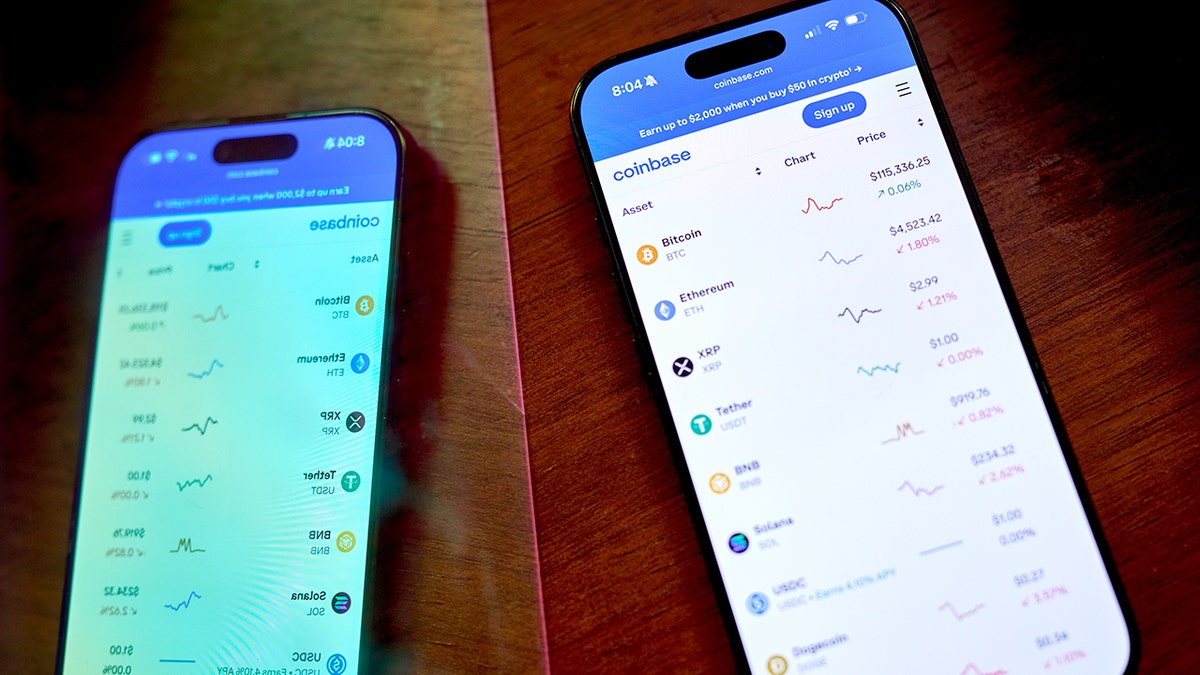
From antivirus and data removal services to identity theft monitoring, CyberGuy shares actionable steps to block phishing, verify businesses, and protect your money. (Gabby Jones/Bloomberg via Getty Images)
Check out my tips and top picks for protecting yourself against identity theft at Cyberguy.com.
8) Report any suspicious activity immediately
If you think you’ve been targeted or scammed, act quickly. Contact your local police department, your bank and file a report with the FBI’s Internet Crime Complaint Center (IC3). Quick action can sometimes limit further losses or help investigators trace fraud.
Kurt’s Key Takeaways
Joe’s story is painful, but it is also powerful. His honesty can save someone else from losing everything. Online scams thrive when people stay silent, but sharing stories like Joe’s helps others stay vigilant. So before you trust someone who promises quick profits online, pause, double-check everything, and remember Joe’s story, because a moment of caution could save you a lifetime of regrets.
CLICK HERE TO GET THE FOX NEWS APP
Have you ever received an investment offer that seemed too good to be true? Let us know by writing to us at Cyberguy.com.
Sign up for my FREE CyberGuy Report
Get my best tech tips, urgent security alerts and exclusive offers straight to your inbox. Plus, you’ll get instant access to my Ultimate Scam Survival Guide – free when you join my CYBERGUY.COM bulletin.
Copyright 2025 CyberGuy.com. All rights reserved.

.png?w=390&resize=390,220&ssl=1 "31 Red-Brown Hair Color Ideas to Spice Up Your Brunette")


