iPhone calendar scam: How to stop fake alerts


NEWYou can now listen to Fox News articles!
You look at your phone and you see it. A calendar alert notifies you that your iPhone is infected. Or that you won a prize. Or that your account will be locked. Your first thought might be panic. Your second step should be to take a break.
Many Apple users are reporting a wave of fake calendar invitations appearing out of nowhere. These alerts are not malware. However, this is a fraudulent tactic. And they can quickly clutter your calendar with unwanted events and suspicious links. Let’s break down what’s happening and how to fix it.
Sign up for my FREE CyberGuy Report
Get my best tech tips, urgent security alerts and exclusive offers straight to your inbox. Plus, you’ll get instant access to my Ultimate Scam Survival Guide – free when you join my CYBERGUY.COM bulletin.
How Fake Calendar Invitations Come to Your iPhone
Here’s the surprising part. Most of the time, no apps are installed. Nothing goes through the App Store. You’re not downloading anything obvious.
HOW TO STOP SPAM, POLITICAL TEXTS, AND EMAIL SPAM FOR GOOD
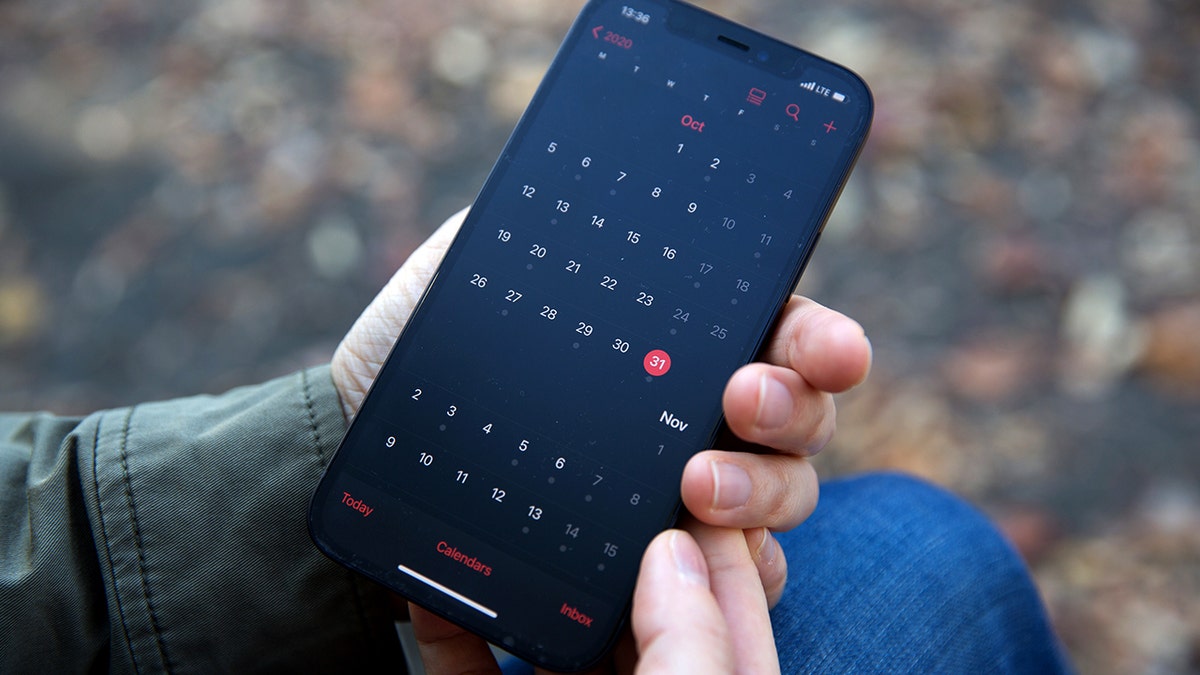
Fraudsters flood Apple Calendar with spam subscriptions that trigger urgent alerts and phishing links. (Stanislav Kogiku/SOPA Images/LightRocket via Getty Images)
Instead, the problem often starts with a single click. You might click on the wrong link in a message or on a website. This page may discreetly invite you to subscribe to a calendar. Once you tap Approve, even by accident, spam events start flooding in.
Since it’s a subscription, alerts appear directly in your iOS notifications. Even if the corresponding email lands in spam, the calendar event may still appear on your device. It seems invasive. But according to users discussing the issue on Reddit’s r/Apple forum, this usually doesn’t mean your phone has been hacked.
As one commenter said, if scammers are using calendar events to reach you, they probably haven’t broken into your device. They simply encouraged you to subscribe.
Why iPhone Calendar Spam Alerts Seem Urgent and Real
Scammers design these fake calendar invitations to quickly trigger panic. For example, one alert might claim that your iPhone is infected with a virus, while another promises a prize or warns that your account will be suspended. Instead of giving you time to think, the message pushes you to act immediately. As a result, many people type before taking a break.
However, that second click is where the real risk begins. In many cases, it redirects you to a phishing site that asks for passwords, credit card details or other personal information. Although the calendar alert itself is not malwareengaging in them may expose you to identity theft or financial fraud. In other words, the danger does not come from the notification. This is what happens next.
How to remove unwanted invitations from iPhone calendar
The good news is that removing spam usually only takes a few steps.
Step 1: Check your subscribed calendars
- Go to Settings
- Scroll down and tap Applications
- Click Calendar
- Faucet Calendar accounts
- Click Subscriber calendars
- Look for any subscriptions you don’t recognize. Delete it.
This simple action often stops the flood of alerts.
EMAIL WARNING OF Apple App Password Scam

Fake iPhone calendar alerts may look like malware, but experts say they usually come from unwanted subscriptions. (Jaap Arriens/NurPhoto via Getty Images)
Step 2: Remove spam subscription in Calendar app
- Open it Calendar app.
- Press the calendar icon down.
- Find the suspicious subscription and press the “I” next to. Confirm that it is spam and unsubscribe.
After you unsubscribe, you may still need to manually delete the remaining events.
Step 3: Unload and reinstall the Calendar app
If the application continues to behave strangely, you can unload it.
Important note before doing this: Offloading the app deletes the app itself but keeps your calendar data. Your events stored in iCloud, Google or other accounts remain intact. However, if you delete the app instead of unloading it, it may delete locally stored data. If your calendars are synced with iCloud or another account, your events will return after reinstallation. Still, it’s a good idea to confirm that your calendars are in sync before making any changes.
- Go to Settings
- Click General
- Faucet iPhone Storage
- Click Calendar
- Faucet Download the application
- Reboot your phone
- Then return to Settings > General > iPhone Storage > Calendar and press Reinstall the app. You can also press the Calendar icon on your home screen. If it shows a small cloud download symbol, tap it to reinstall.
Several users reported that this resolved persistent issues.
FBI warns seniors about billion-dollar scam that drains retirement funds, expert says AI is driving it

Apple users can stop Calendar spam by removing suspicious subscriptions in Settings and the Calendar app. (Gabby Jones/Bloomberg via Getty Images)
How to avoid calendar spam in the future
Now that your calendar is clean, the next step is prevention.
Here are smart habits that make a real difference:
- Keep iOS updated to keep security patches up to date
- Avoid tapping links in unexpected texts or pop-ups
- Use powerful antivirus software to block malicious websites and phishing links before they load. Get my picks for the best 2026 antivirus protection winners for your Windows, Mac, Android, and iOS devices at Cyberguy.com
- Never participate in price or infection alerts
- Consider a data deletion service to limit the amount of your personal information exposed online. Check out my top picks for data deletion services and get a free scan to find out if your personal information is already available on the web by visiting Cyberguy.com
- Regularly review and delete unknown calendar subscriptions
Why Apple Users Are Frustrated
Many users point out that even when a spam invitation arrives in spam, the event may still appear on the calendar. This disconnect feels like a flaw in the system. Some argue that Apple should tighten up how calendar subscriptions work. However, personal awareness goes a long way. Fraudsters rely on quick reactions. Slow down, check, and remain skeptical of the emergency.
Kurt’s Key Takeaways
Fake spam invitations on iPhone calendar are annoying. They are disruptive. And they may feel alarmed. However, in most cases, they are the result of a sneaky subscription and not a hacked phone. A few careful taps can remove them. A few smarter habits can keep them from coming back.
The next time your phone displays an urgent warning, will you react instantly or will you take a breath and investigate first? Let us know by writing to us at Cyberguy.com.
CLICK HERE TO DOWNLOAD THE FOX NEWS APP
Sign up for my FREE CyberGuy Report
Get my best tech tips, urgent security alerts and exclusive offers straight to your inbox. Plus, you’ll get instant access to my Ultimate Scam Survival Guide – free when you join my CYBERGUY.COM bulletin.
Copyright 2026 CyberGuy.com. All rights reserved.


