Is Universal Childcare the Democrats’ Winning Issue This Year?


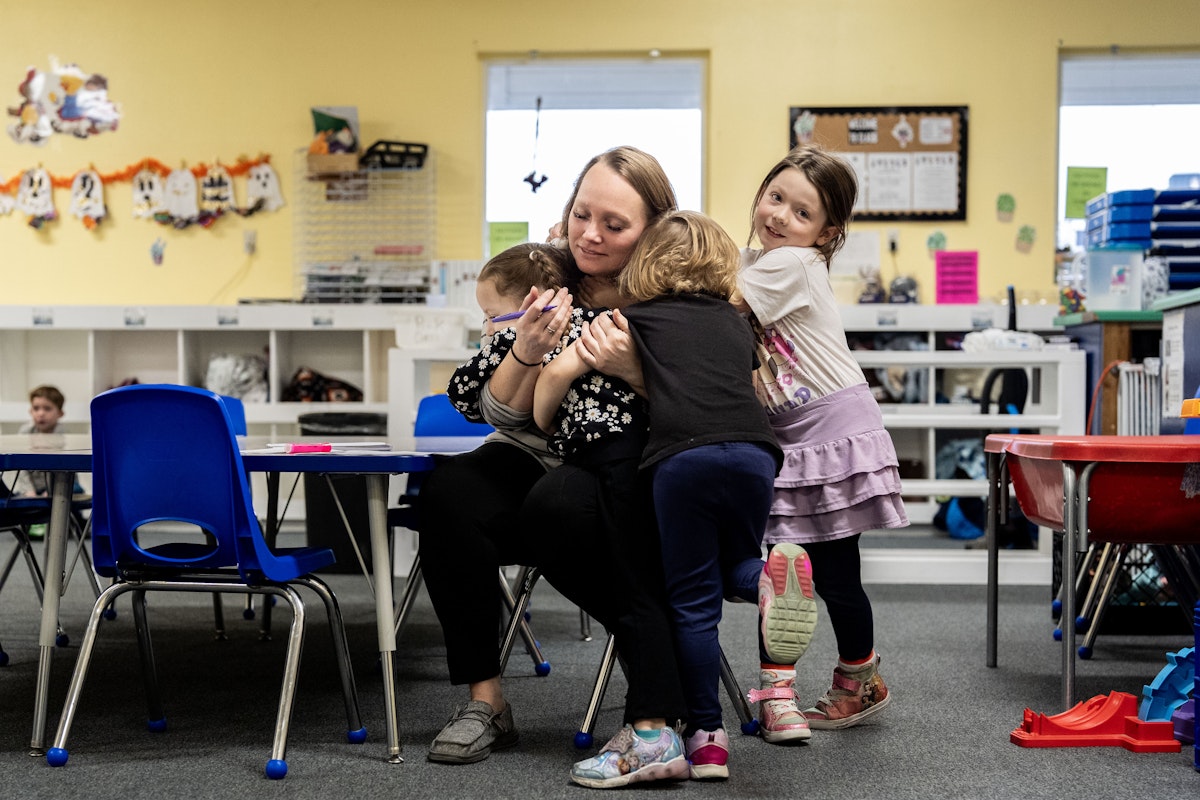
An important part of all of these plans will be increasing provider salaries and trying to build on the network of experienced programs that already exist, while covering costs for families and trying to expand the network of providers. In most of the country, the current system is a disorganized and uneven patchwork of center-based and home-based care, so expansion of care must be locally tailored. It will take time: In New York state, the first of Hochul’s planned programs for 4-year-olds will begin in the 2028-2029 school year.
Bilik, of the Roosevelt Institute, said these programs must be built slowly because providers, whether a new government program or subsidized private centers, need to hire and train more workers without significantly disrupting the private market that people currently rely on. Experienced workers also need to be retained, she said. “In order to expand a child care system to even be close to universal, you have to improve wages and benefits for the workforce,” Bilik said. “If we can’t get people to do this job properly, we simply won’t have the workers at the level [we need].” At the same time, expansion needs to be managed carefully so that it doesn’t disrupt the current system too drastically, she said.
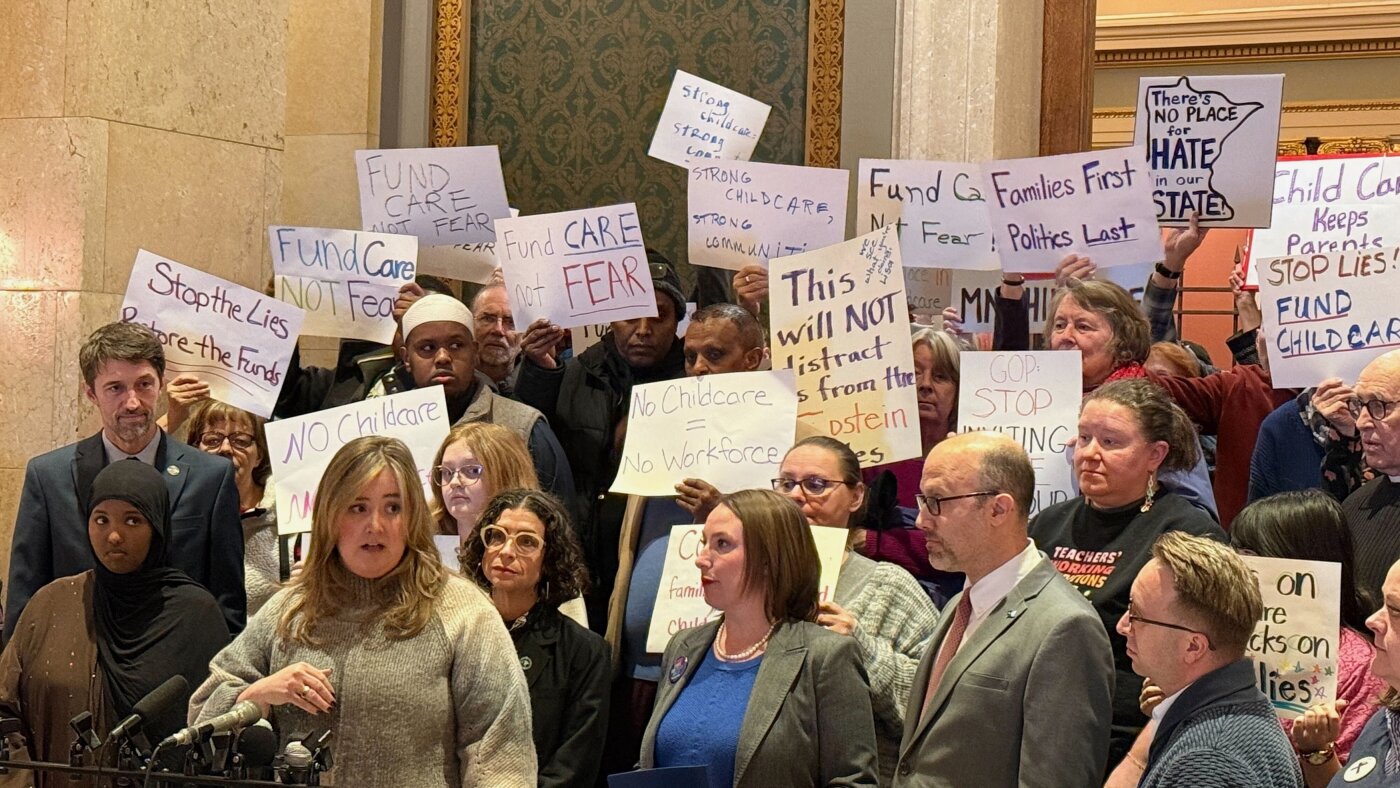
Nina Dastur, director of state and local policy at Community Change, a national community organizing group, noted that while Democratic-led states seek to expand child care, the federal government is attacking it, saying fraud is rampant and freezing funding. “We view this as a direct political attack in response to the movement that has been building around the issue of child care,” she said.