Israel grows buffer zones along its borders as part of post-Oct. 7 military doctrine


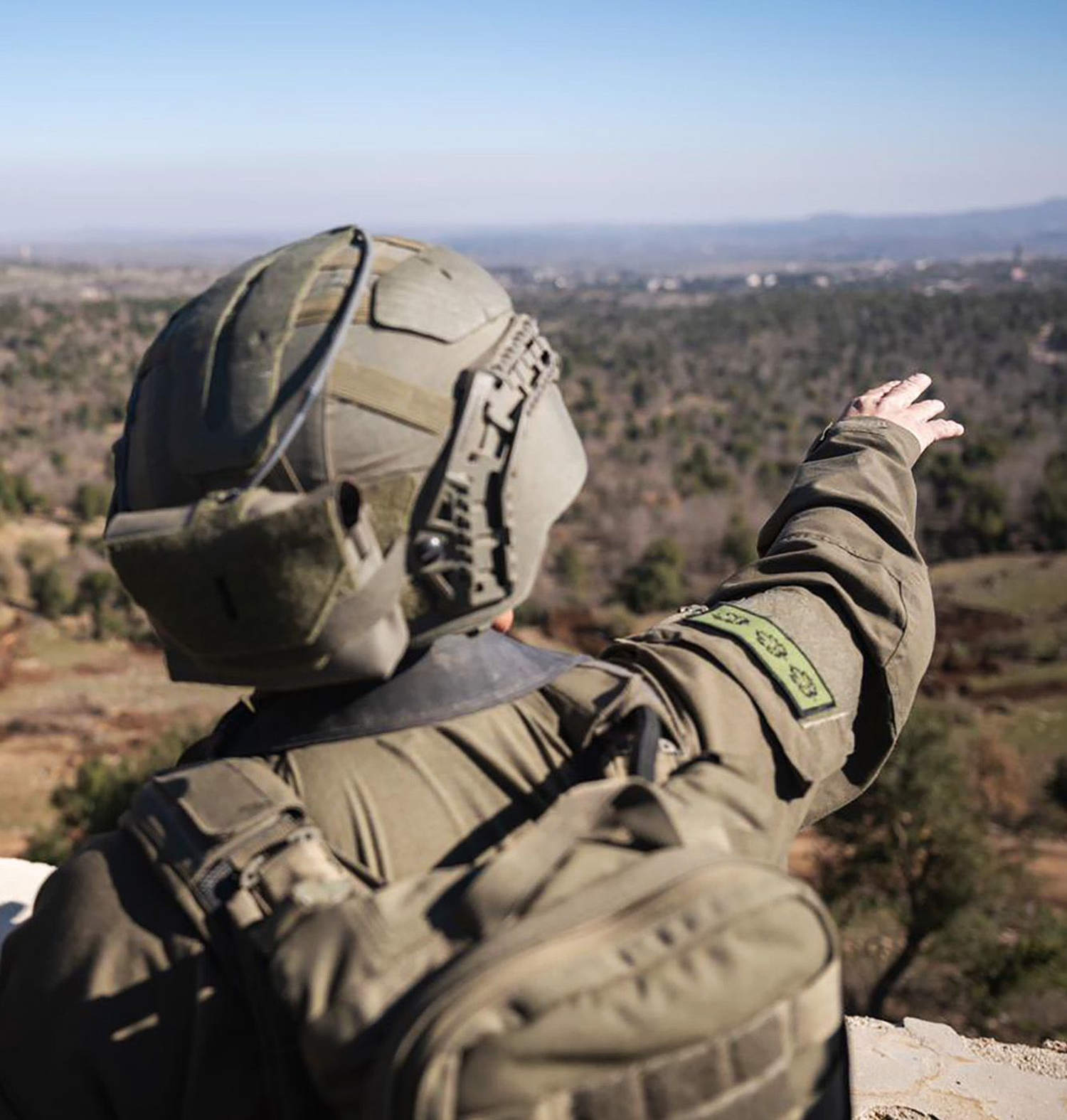
‘MAP REDRAWING’
The Israel’s form offset is not new. Since its foundation, the borders have expanded and have contracted because it has fought many wars with its neighbors, absorbing and then withdrawing from their territory.
While Katz and others praising the advantages of expansion security beyond the borders of Israel, criticisms say that these movements are likely to antagonize the neighbors of Israel, exhausting its troops and triggering a broader conflict. Certain criticisms of the current Israeli approach warn that it will re -engage groups such as Hamas and Hezbollah, and not to reduce their power.
“The main risk for Israel is that … You just will see the counter-line of Hamas, you will see this from Hezbollah,” News Mairav Zonszein, an Israeli Crisis Group at NBC.
But this travel management has been clear since October 7, after which Prime Minister Benjamin Netanyahu said he intended to transform the region.
“The decisions we made during the war have already changed the face of the Middle East,” he Written in a post x in February. “Our decisions and the courage of our soldiers restarted the card.”
On July 7, sitting alongside President Donald Trump in the oval office after Israel and the United States launched Iranian and targeted nuclear and senior officials of scientists and senior officials, Netanyahu stressed the aim of continuing to fundamentally change the region.
“This is a historic victory,” he said. “It has already changed the face of the Middle East, but it’s not over.”
A TSAhal soldier raises the Israeli flag in the city of Al-Khudr in southern Syria. (via x)
A TSAhal soldier raises the Israeli flag in the city of Al-Khudr in southern Syria. (via x)


