Italy’s ‘Little Yosemite’ Is A Picturesque Nature Reserve Perfect For Climbing Enthusiasts

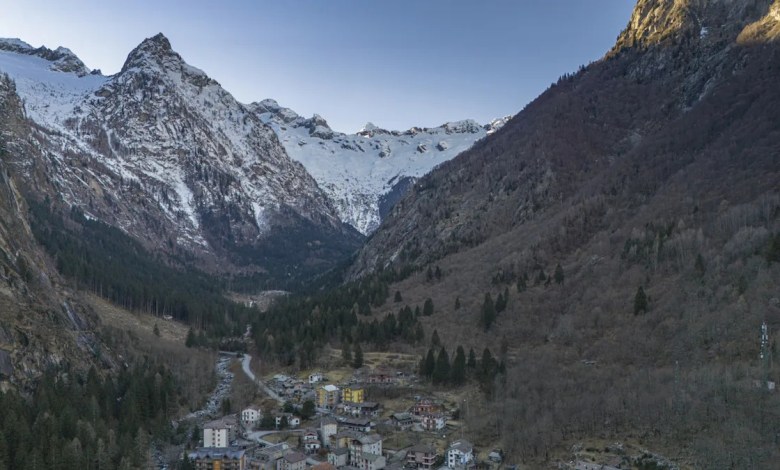
There are plenty of truly spectacular reasons to visit Italy as a tourist. It has incredibly beautiful historic villages and walled towns, stunning ancient archaeological sites and magnificent medieval and Renaissance art and architecture. Italy is a gastronomic paradise filled with must-try dishes and has some of the most beautiful beaches and seaside destinations in Europe. While there are plenty of tourist traps to avoid, it’s hard to argue with the idea that Italy might be one of the best places in the world to explore.
But where Italy still goes a little unnoticed is as a destination for outdoor adventurers. With the Dolomites, the Italian Alps, and hiking the volcanoes of Etna in Sicily, backcountry enthusiasts have plenty of opportunities to lace up their boots and hit the trails. And if you like climbing, there’s one place that should be on any Italian itinerary: the picturesque Val di Mello nature reserve.
The Val di Mello protected area is located in Lombardy, nestled against the Swiss border, approximately 90 km northeast of Milan and 19 km northwest of Sondrio. The nearest international airport is Il Caravaggio in Bergamo, approximately 112 km away, while Milan Malpensa Airport is approximately 135 km away. Restrictions on car entry into the reserve are extremely strict, so the best way to reach the reserve is by taking a gentle 25-minute hike from the nearby town of San Martino.
Read more: Why tourists should be wary of the clothes they pack on a trip to Europe
Great walls and rock gardens

Climber on a large wall near Val di Mello – Matteo Bedendo/Shutterstock
Thanks to its deep forests, vast boulders, and sheer granite walls, Val di Mello is known as the “Little Yosemite” of Italy, and it more than lives up to its name. Surrounded by calming pine forests, this rock garden is as peaceful as it is visually stunning, but it’s the climbing opportunities rather than the magnificent views that draw travelers to these hidden valleys.
Although commonly known as Val di Mello, the reserve is actually made up of three distinct valleys: Val Masino, Valle dei Bagni and Val di Mello. Val Masino is the largest and offers accommodation and places to eat and shop, as well as many traditional climbing and bouldering spots. The side valley of Valle dei Bagni offers more stunning rocks, as well as more accessible hiking trails. Finally, Val di Mello is where the best climbing can be found, from hard sport climbing to big walling.
The Val di Mello has gained international fame and attention thanks to the Melloblocco Festival, the largest bouldering gathering in the world. But it’s a wonderful place for enthusiasts all year round, with over 300 sport climbing routes, incredible bouldering spots like L’Arco del Tetto, Oscurita and Spigolo Della Carrozza Di Rame, and superb trad climbs and big walls like Il Lamone e sue Placche, Oceano Irraziale and Luna Nascente.
How to make the most of a trip to Val di Mello

Turquoise waters of the Bidet della Condessa in Val di Mello – MORENO01/Shutterstock
There is decent climbing in Val di Mello at almost any time of year, even in the subalpine winter climate, but the official season runs from May to September, kicking off with Melloblocco in early May. It should be noted, however, that nights can be quite cool in May and September and days can be muggy in the heat of summer, making big walls and trad climbs a real ordeal. It pays to be prepared for anything, every time you go, as the weather can often change throughout the year.
There isn’t much in the valley other than B&Bs, restaurants, and a few gear stores, so it’s worth bringing most of what you need with you. Doing some shopping before heading to the valley, especially if you are renting, will make a big difference to your trip and your bank balance!
Val di Mello is not just about climbing, it is a nature reserve after all! So it’s worth setting aside time for a little exploration that doesn’t involve handles, ropes and chalk. Bidet Della Contessa, for example, is a beautiful turquoise lake that’s well worth a hike, and Lake Qualido is famous for its completely transparent water (and stunning mountain views). Don’t miss the charming Cascina Piana, a group of mountain huts nestled in a narrow valley, which offers a wonderful overnight option if you’re planning a multi-day hike.
Ready to discover more hidden gems and expert travel tips? Subscribe to our free newsletter to access the world’s best-kept travel secrets. You can also add us as your preferred search source on Google.
Read the original article on Explore.


