Hurricane Forecasters Keep Access to Threatened Defense Department Satellite Data


Hurricane forecasters keep online crucial satellite data after threatened cuts
Microwave satellite data which is essential to capture changes in the force of a hurricane will not be extracted from meteorologists as originally planned
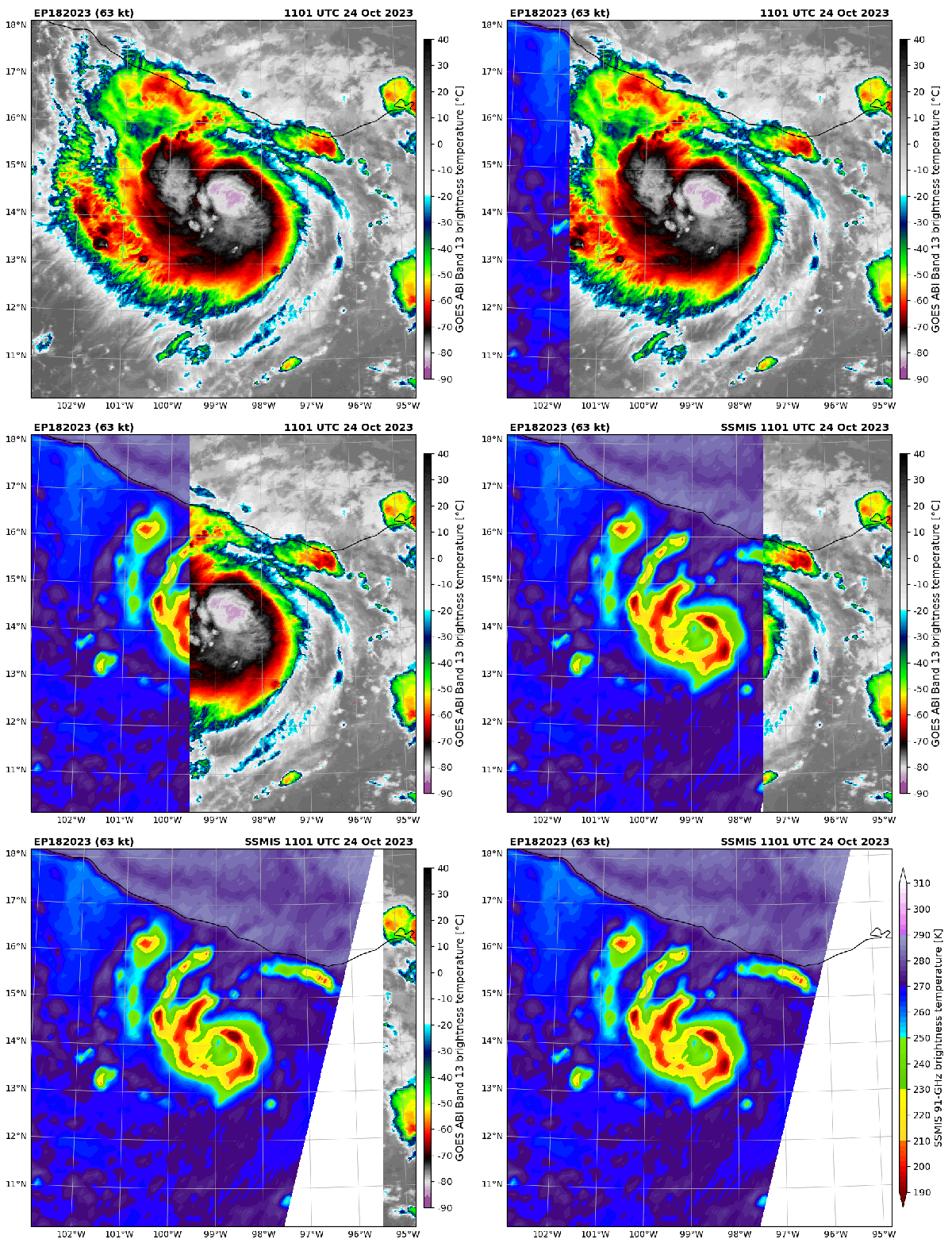
Infrared satellite imaging of the Otis hurricane in relation to the microwave imaging of the storm in October 2023. In the later view, the center of the storm is more visible and indicates that the hurricane was reinforced. Microwave satellite imagery helped forecastists take Otis’ strengthening before the storm touches Earth.
Satellite data which is useful for weather forecasts – and particularly crucial to monitor hurricanes – will not be cut by the Ministry of Defense at the end of the month as originally planned. The data, which provides an radiography type view of the internal structure of a hurricane, will remain accessible to the National Oceanic and Atmospheric Administration for the lifespan of satellites, a spokesperson for the Noaa confirmed in an email to American scientist.
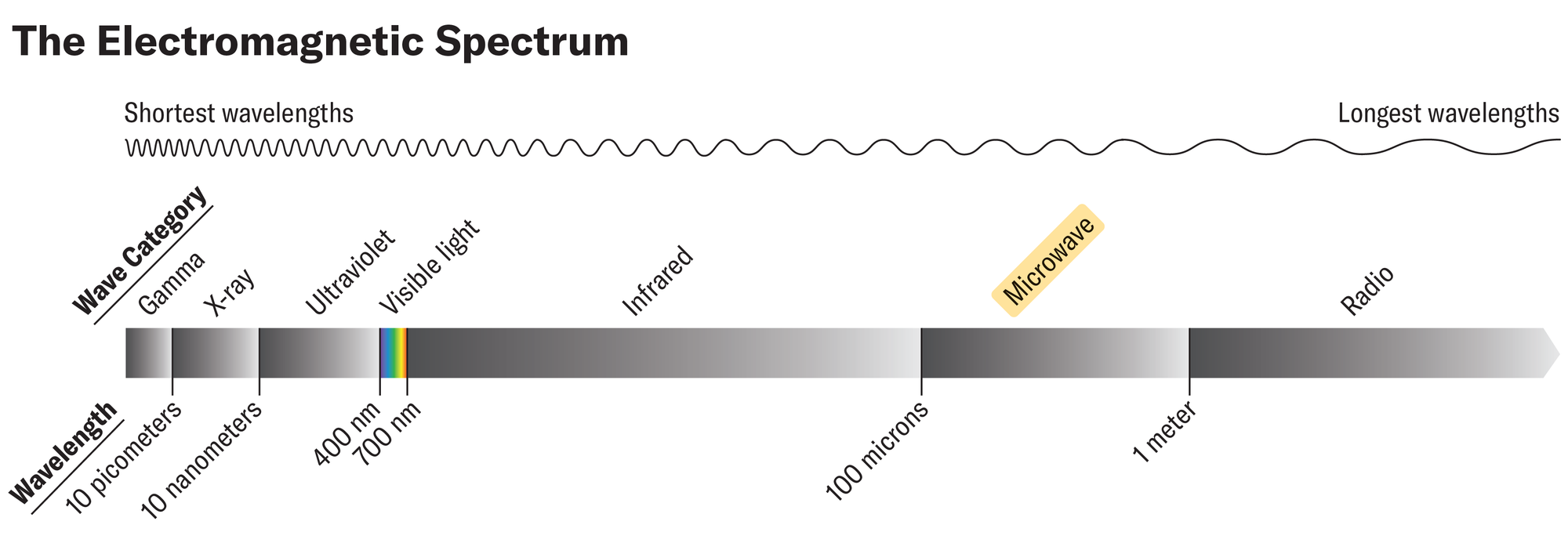
The data comes from sensors aboard the satellites of the Defense Meteorological Satellite (DMSP) program which detect the microwave of the electromagnetic spectrum. Microwaves are useful for monitoring hurricanes, because their long wavelengths mean that they penetrate the peaks of the clouds, giving forecastists a view of the internal functioning of a hurricane – changes in particular in its eye and its eye wall (the circle of clouds surrounding the eye and constitutes the strongest part of the storm). Such changes may indicate whether a hurricane is strengthening or weakening.
On the support of scientific journalism
If you appreciate this article, plan to support our award -winning journalism by subscription. By buying a subscription, you help to ensure the future of striking stories about discoveries and ideas that shape our world today.
These data are particularly useful for monitoring storms at night, when visible satellite imagery is not available and to capture rapid intensification – when a storm jumps at least 35 miles per hour in 24 hours. Faster forecastists note that a storm increases quickly in intensity, the faster they can warn people in danger.
Because the microwaves emitted by the earth are low, they can only be detected by satellites in very earth orbit. (The geostationary satellites which provide visible images in orbit further.) But the satellites of these low orbits can only see small parts of the planet, which means that many of them are necessary to adequately monitor the earth and that there are longer time differences between the moment when these sensors “revisit” a given point.
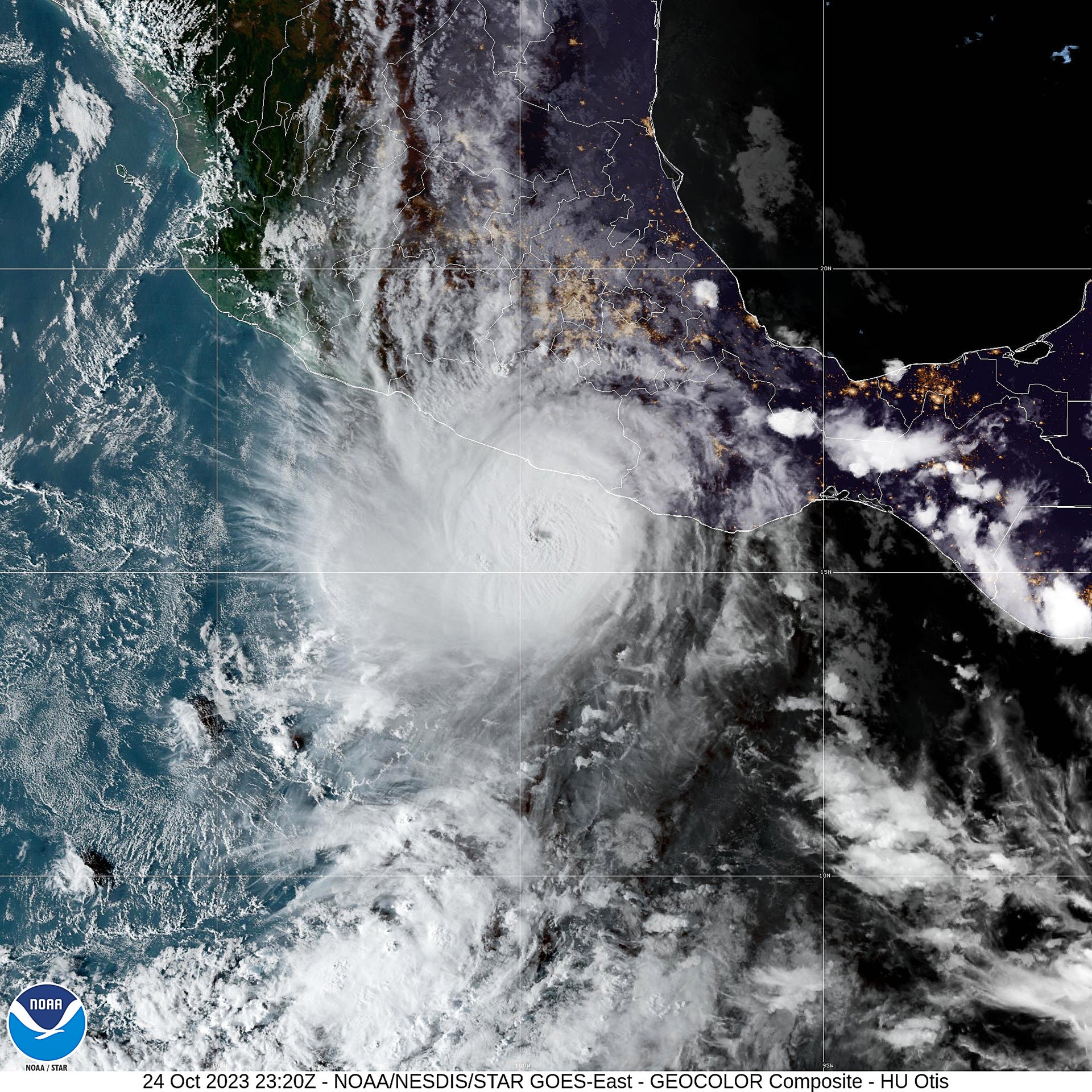
Satellite image of Hurricane Otis on Acapulco, Mexico, October 24, 2023.
Noaa / Nesdis / Star Goiss
These limitations mean that microwave data are already rare. Currently, six satellites provide this information for American weather forecasting purposes, and they are useful for hurricanes forecasts only if they pass by chance above the right time. In June, the NOAA announced that the data of three of these satellites would no longer be available for its scientists. The judgment was considered necessary because the system which processes the DMSP data runs on an operating system too old to update and which pose cybersecurity problems. It is not clear why the judgment will no longer take place as planned.
Meteorologists host the continuous availability of data because the Atlantic Hurricane Season will enter its typical period of advanced activity in August. But many have expressed continuous concerns about other factors that could affect forecasts and public security, in particular staff and budget cuts at the National Weather Service.
“Although this is good news, a constant uncertainty about decision -making and the availability of financing, endowment and services is a horrible way of working,” wrote the meteorologist Chris Vagasky on Bluesky. “People, companies and governments must be able to look to the future to know what decisions to be made, and uncertainty destroys this capacity.”


