Thousands of Americans Face Monsoon Rains This Weekend


Strong monsoon rains are expected to hit large parts of the southwest this weekend, which has an impact on thousands of residents of Arizona, New Mexico and neighboring states.
After a slow start to the North American monsoon season, the forecasters say that the atmospheric model is now intensifying, which raises the two hopes of drought relief and the fears of sudden floods.
Why it matters
The return of monsoon rains offers temporary relief to regions descended by extreme drought. In some counties, the monsoon rain provides up to 60% of annual precipitation. Without this, the tanks remain low and forest fires can proliferate.
However, too much rain can lead to deadly deadly floods, especially in canyon areas and burned landscapes with compromised vegetation.
In Arizona, the floods have already disrupted traffic and damaged goods this summer. In July, intense rains flooded the Phoenix region, flooding the roads and leaving the drivers blocked. A resident said Fox 10 Phoenix After the disadvantage of the monsoon: “It was like a river … He came quickly and did not stop.”
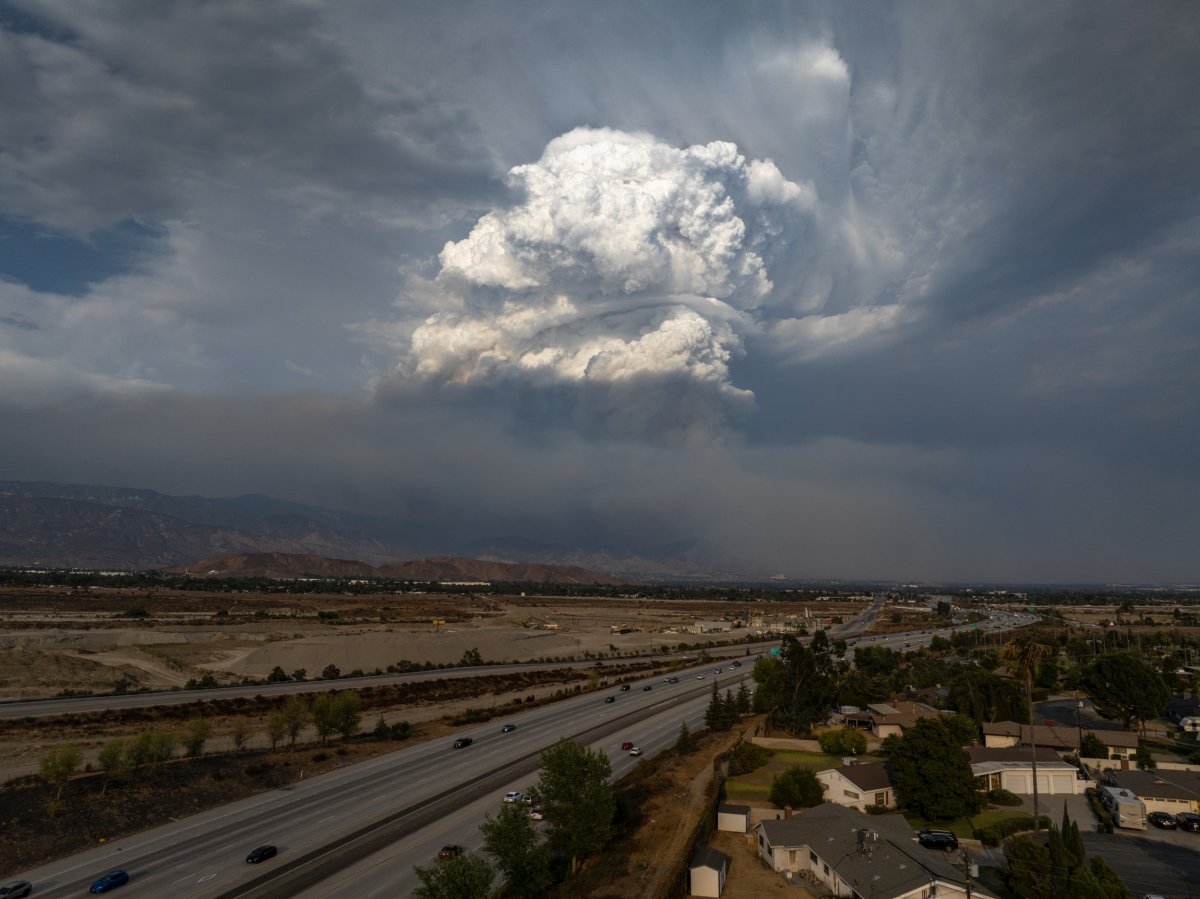
Getty images
What to know
The National Weather Service (NWS) warns against “strong local precipitation” and the possibility of “sudden floods” in the regions subject to the monsoon until Sunday.
Friday, the highest risk of precipitation is in Williams, Arizona, with 77% chance, followed by Flagstaff on 63%. On Saturday, there is an 86% chance of precipitation in Williams and 81% chance in Flagstaff.
In New Mexico and in eastern Arizona – regions that are currently suffering from prolonged drought – precipitation could provide immediate relief. But the same storms could also overwhelm the dry and compacted soil and trigger a dangerous runoff.
According to the National Integrated Drought Information System (NIDIS), 97% of Arizona and 80% of the New Mexico remain in drought, many regions knowing their driest section of 12 months in more than a century.
The monsoon season generally extends from mid-June to the end of September, with a peak intensity at the end of July and August.
According to the drought of the drought of the drought of the National Oceanic and Atmospheric Administration (NOAA), the 2025 season began on June 23 for certain parts of the New Mexico and western Texas. The initial storms have brought both relief and destruction, with high precipitation recharging the ground and filling the original ponds, while flooding the roads and low zones.
The NOAA climate prediction center provides that precipitation will continue to improve drought conditions near the border of Arizona-New Mexico in the coming weeks. However, the agency warns that despite more humid forecast than normal, drought conditions are likely to persist in a large part of the Southwest until the end of the summer.
What people say
THE NWS forecast office in Flagstaff, Arizonawrote on X Friday: “Lots of humidity before the weekend. Storm chances are improving every day, because temperatures regularly become cooler. If you do not get a storm, wait the next day. Storms can start producing heavier precipitation in the coming days, increasing the flash flood potential.”
THE NWS Forecast Office in Phoenix, Arizona, wrote on X: “A marginal risk of winds of severe outings near any thunderstorm is possible this afternoon and in the evening in the region. showers and storms will promote higher field zones during the afternoons, with chances through the lower deserts increasing during evening hours.”
What happens next
The NWS monitors the southwest of the continuous monsoon activity until the least on Sunday evening, with flooding watches issued in several counties.
Meanwhile, state and local agencies urge residents to avoid driving through flooded roads and closely monitoring weather alerts.
Regular updates concerning storms and precipitation is issued by the NWS on its website.


