‘Juice jacking’ is back, but rogue USB chargers don’t scare me


Do you remember Juice Jacking? This type of attack occurs when you connect your phone or tablet to a public USB loading port (as in an airport), and the malicious charger compromises your device. Most often, the summary port will access data on your device or download malware on its storage. Juice Jacking first made the headlines over ten years ago, with periodic reminders on her dangers since then.
Most people do not think of this threat – and sincerely, I do not have it either, even if I cover the security of PCworld. In 2011, the security operating systems on the phone were more basic. Since then, Google and Apple have updated their operating systems to be more resistant to juice.
But at the beginning of this summer (and since then), various media recirculated a warning from the United States Transportation Security Administration (TSA) on a updated version of Juice Jacking in airports. Called “Choice Jacking”, malware for USB thugs can bypass the interaction required with the screen of your phone or tablet to grant access to storage. This encourages the device to believe that you have pressed the buttons on the screen that give permission.
I am still not very worried about this updated attack method – and not because security experts and software providers say that this threat is more theoretical than real. For what? It is incredibly easy to avoid this threat, regardless of reality or imagination.
Alaina Yee / Foundry
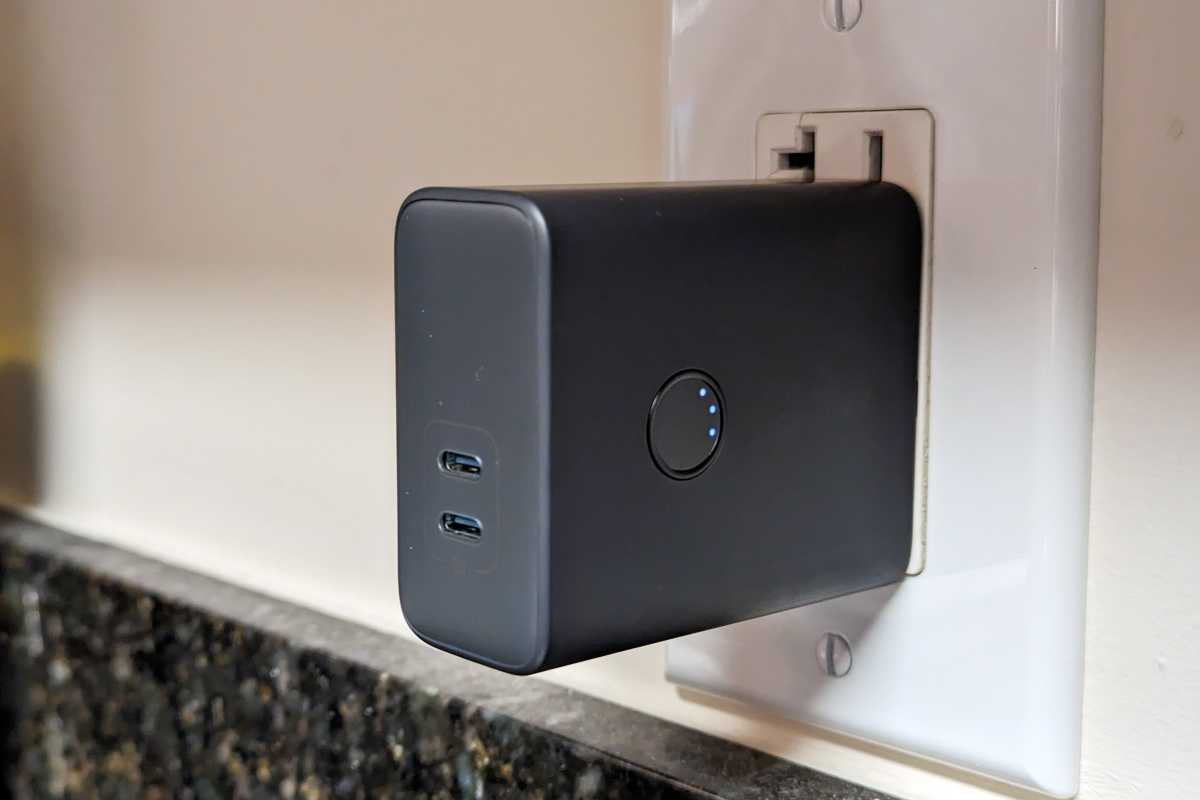
Do not connect your phone to public chargers. Instead, use your own electricity bank or charger.
I prefer this method because I keep total control over how I charge my phone in several ways. (I am still marked by the first days of possession of the smartphone, when I connected my phone to a poorly configured charger and short-circuited my connection port.) Win.
If you hate carrying an additional and / or bulk weight, you can also turn off your phone before loading via a public charger. Or examine the USB cables that only have an electrical load and not on data. (Search for “securing the USB cable”.)
In the end, with the amount of energy that we already have to spend on online threats, I see this as a potential problem so easily bypassed, it is not worth it. I am more worried about these three travel scams. In addition, Ion lithium batteries are much more flammable than we think.


