Keratin extracted from sheep’s wool repairs teeth in breakthrough


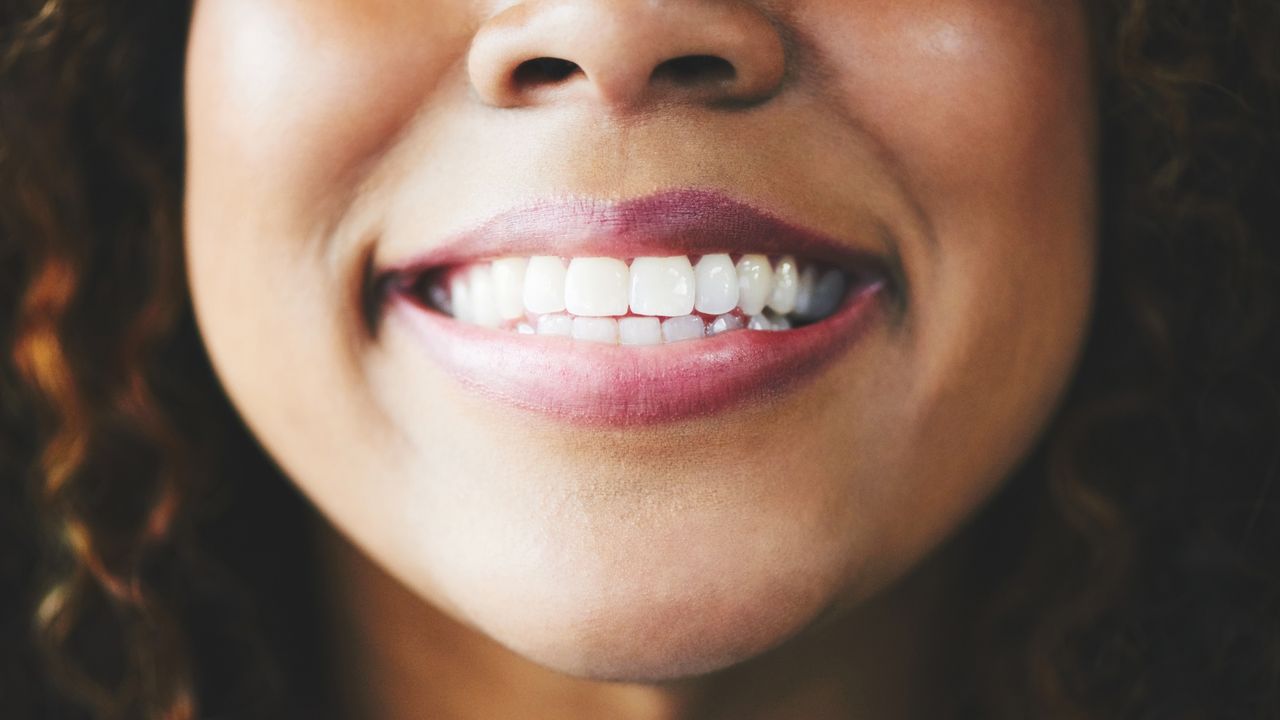
Dental treatments for sheep wool and other hair could be used to coat the teeth to repair enamel and prevent dental caries, according to a new study.
After extracting keratin – a protein found in the hair, skin and nails – wool and applying it to teeth, scientists found that the substance formed a protective crystal coating that imitated natural dental enamel.
The result could support sustainable and low cost treatments for early dental caries over the next two to three years, according to researchers. They reported their results on August 12 in the journal Advanced health equipment.
“Keratin offers an alternative transformer to current dental treatments”, study co -author Sara Gameasaid a dentistry researcher at King’s College London, in the press release. “Not only does it come in a sustainable way from organic waste such as hair and skin, but it also eliminates the need for traditional plastic resins, commonly used in restorative dentistry, which are toxic and less durable. Keratin also seems much more natural than these treatments, because it can be more closely corresponding to the color of the original tooth.”
Untreated dental caries is the world the most common oral healthAffecting some 2 billion people worldwide. Over time, acidic foods, poor oral hygiene and daily wear can decompose the protective enamel that covers a person’s teeth. The loss of this enamel can cause pain, cavities and a loss of teeth.
“Unlike bones and hair, enamel does not regenerate”, study co -author Sherif ElsharkawyA researcher specializing in prosthodontics at King’s College London, said in a statement. “Once he left, he’s lost forever.”
In relation: Scientists transform pee into materials adjusted to medical implants
To determine if keratin -based treatments could help stop dental caries and repair enamel, Elsharkawy and his colleagues first extracted keratin from wool fibers. Then they mixed the keratin with water, where it formed a thin film.
After applying the keratin film to a tooth sample, scientists found that he formed an ordered, strong and crystal type coating similar to biological enamel when he came into contact with saliva minerals. During a month, the coating attracted calcium and phosphate ions, strengthening a hard and protective layer on the tooth.
Scientists explore the means to provide treatment to keratin to the public. Keratin toothpaste for daily use or professional coverings applied in the office of a dentist could be available in the coming years, according to the press release.
“We are entering an exciting era where biotechnology not only allows us to treat symptoms but to restore the biological function using body materials,” said Elsharkawy. “With the subsequent development and good partnerships in the industry, we could soon become stronger and healthier of something as simple than a haircut.”


