‘Doors to Death’ reveal how Romans upgraded a stadium for bloodsport


The ancient Roman city of Perge, in present-day southern Turkey, was one of the most important urban centers in the region. By the 2nd century CE, the center was so large that it even housed a full-sized stadium for community gatherings and sporting events. However, these events took a much darker turn only a few hundred years later. According to recent archaeological evidence examined at the site, the Perge Stadium was renovated in the late Roman period (3rd to 6th centuries CE) to facilitate deadly gladiator fights. The sites have also been used to Damnatio ad Bestias— public executions by wild animals. These structural additions even included five walkways specially designed by the researchers, nicknamed the “Gates of Death.”
The results are detailed in a study recently published in the Oxford Journal of Archeology from a team led by Istanbul University archaeologist Sedef Çokay Kepçe. While the stadium was initially designed to accommodate thousands of spectators, their tastes in entertainment changed as the empire entered the Late Roman period, an era known for the rise of Christianity as well as the eventual collapse of the Western Roman Empire in 417 CE.
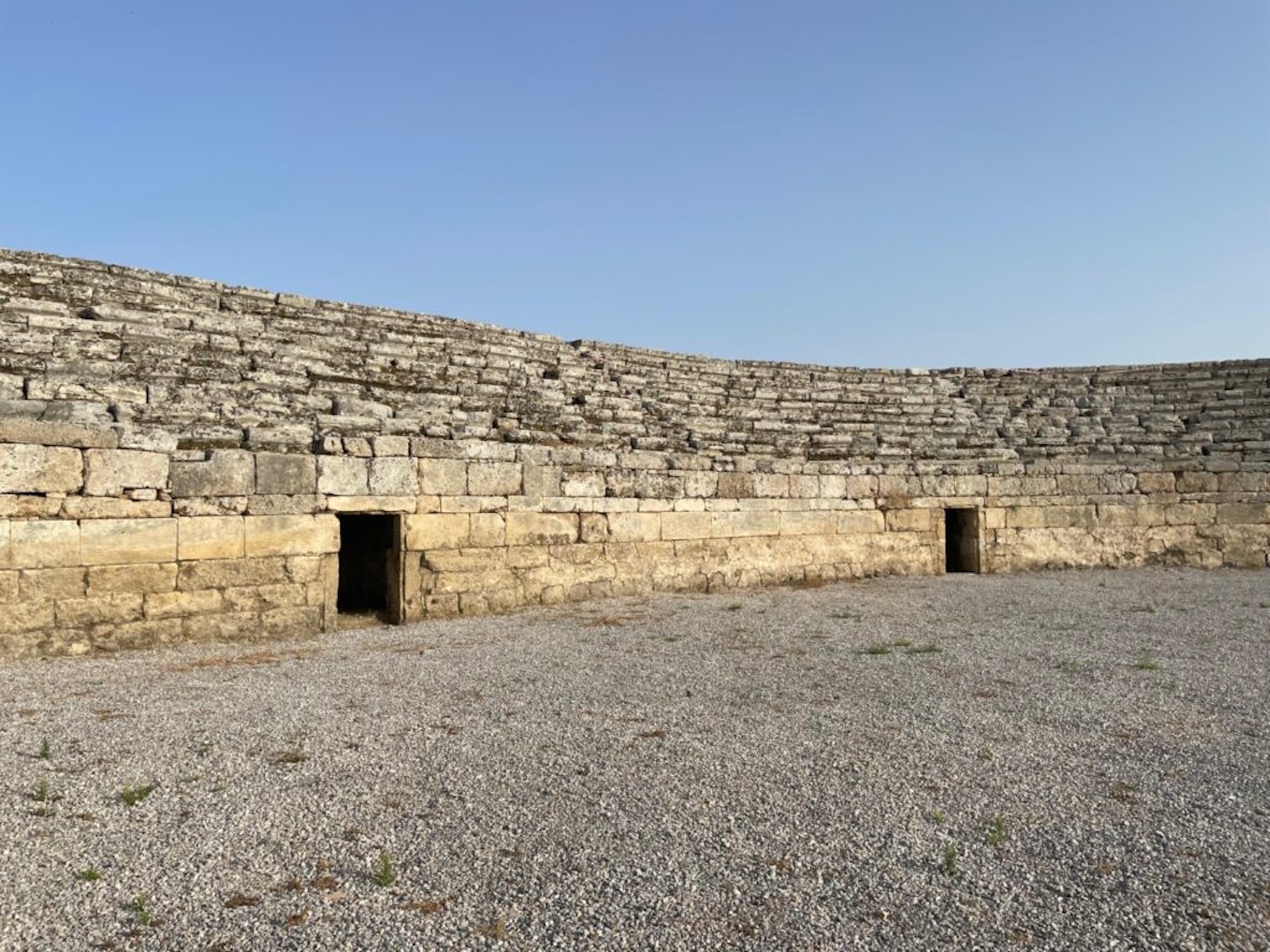
The city’s architects knew that, like any sensible urban planning project, the most effective and economical strategy was not to demolish the existing arena and replace it with an entirely new facility. Instead, they simply needed to design improvements to accommodate audiences’ evolving (and bloodier) spectacles.
According to archaeologists, the designers did not skimp on the renovations. These features are very similar to those seen in other Roman amphitheaters specifically known for their public executions. More recent additions to the stadium included elevated stages, complex door assemblies to aid in crowd control, and enclosed spaces likely used to contain animals. Combined with the additional evidence of animal bones and relevant iconography, researchers believe it is almost certain that the Perge Stadium became a site of public executions.
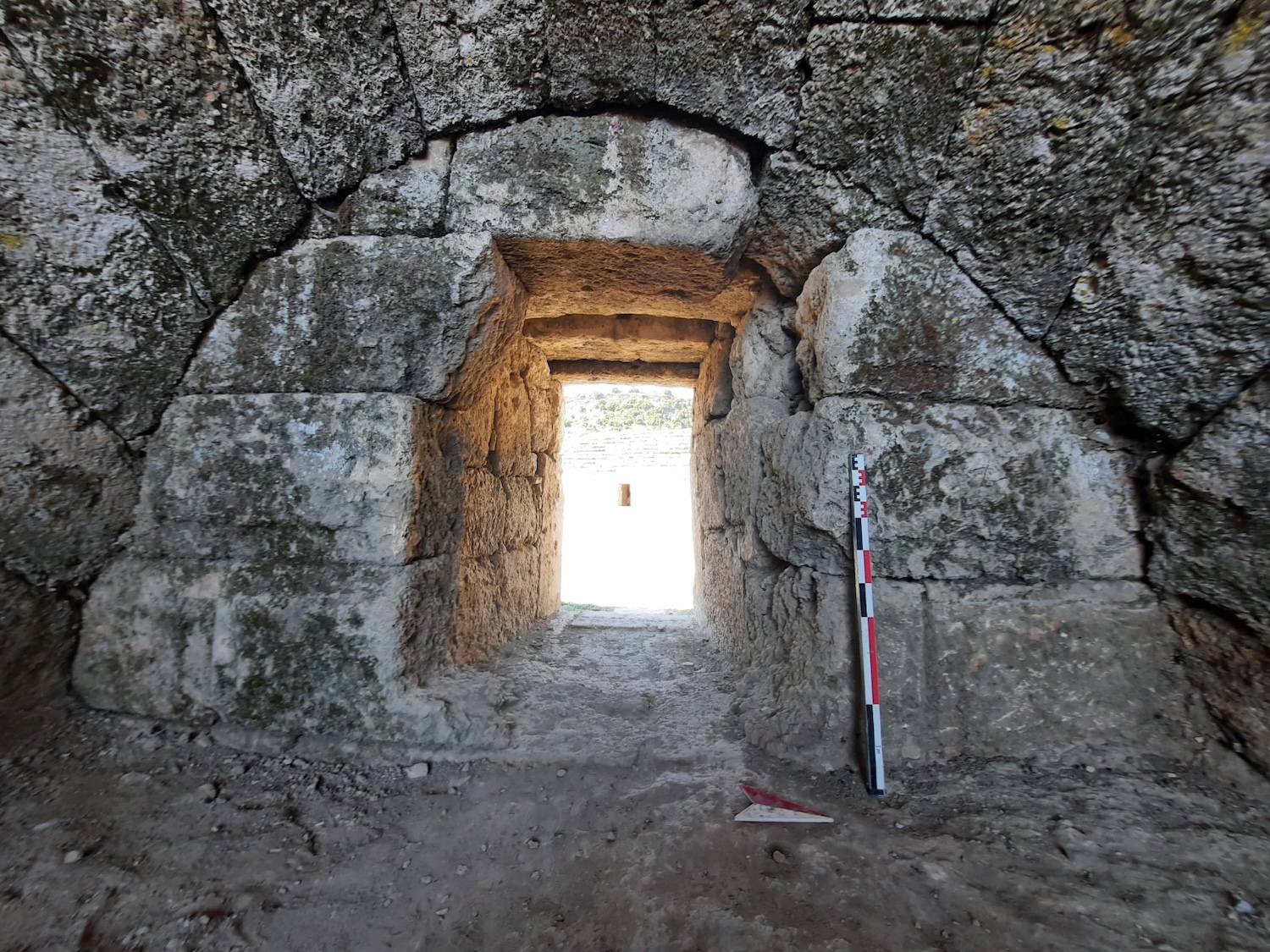
At the same time, these were not free battles. The site’s most intriguing find is a set of five entrances spaced next to each other. Dubbed the “gates of death” by the study authors, these entrances were likely opened at specific times during an event to release wild animals like lions, leopards and other predatory big cats. This arrangement is not widely documented in other Roman stadiums, making it particularly striking.
Archaeologists plan to continue exploring the ruins of Perge, including the stadium. As Arkeonews noted, the city’s amphitheater functions today as a remarkable metaphor for the complex cultural values and history of ancient Rome – a society responsible for impressive technological innovation, as well as inhumane violence.

The best new PopSci 2025 releases


