How to hand off data privacy responsibilities for older adults to a trusted loved one


NEWYou can now listen to Fox News articles!
When I think of my golden years, I imagine myself by taking advantage of new hobbies and spending more time with dear beings. However, some of the very things that mark a well -lived life, such as a fixed address, a longtime telephone number and a healthy savings account, also endanger you scams.
This is why you should protect your personal information. Today, this is the number one objective for fraud. According to recent studies, 72% of cases of fraud for the elderly involve exposed personal data.
Data confidentiality management for the elderly has become increasingly difficult. Threats are constantly evolving, security parameters change frequently and crooks become smarter. Fortunately, you don’t have to manage this alone.
Register for my free cyberguy report
Get my best technological advice, my urgent safety alerts and my exclusive offers delivered directly in your reception box. In addition, you will have instant access to my survival guide at the ultimate – free swindle when you join my Cyberguy.com/Newsletter.

A woman typing on her laptop. (Kurt “Cyberguy” KTUSSON)
How a loved one can help protect data confidentiality for the elderly
One of the best ways to protect your data is to put a loved one in the loop. This person can serve as a privacy partner, helping you stay safe while respecting your independence.
- Locate phishing scams and false messages.
- Configure the call blockers and scam filters and adjust the safety settings.
- Delete your personal web information.
- Keep an eye on a suspicious activity without taking control.
Choose the right person to help data confidentiality for the elderly
This person could be an adult child, a niece or a nephew, a brother or even a longtime friend. The key is to find someone comfortable and reliable, someone who respects your limits.
Keep in mind that almost 58% of the financial operation of the elderly is perpetrated by family members, so being linked does not automatically make a person worthy of confidence. Before giving anyone access to your accounts or personal information, ask yourself:
- Have they already put me on money?
- Do they respect my decisions and my limits?
- Would I trust them with my home keys or my bank card?
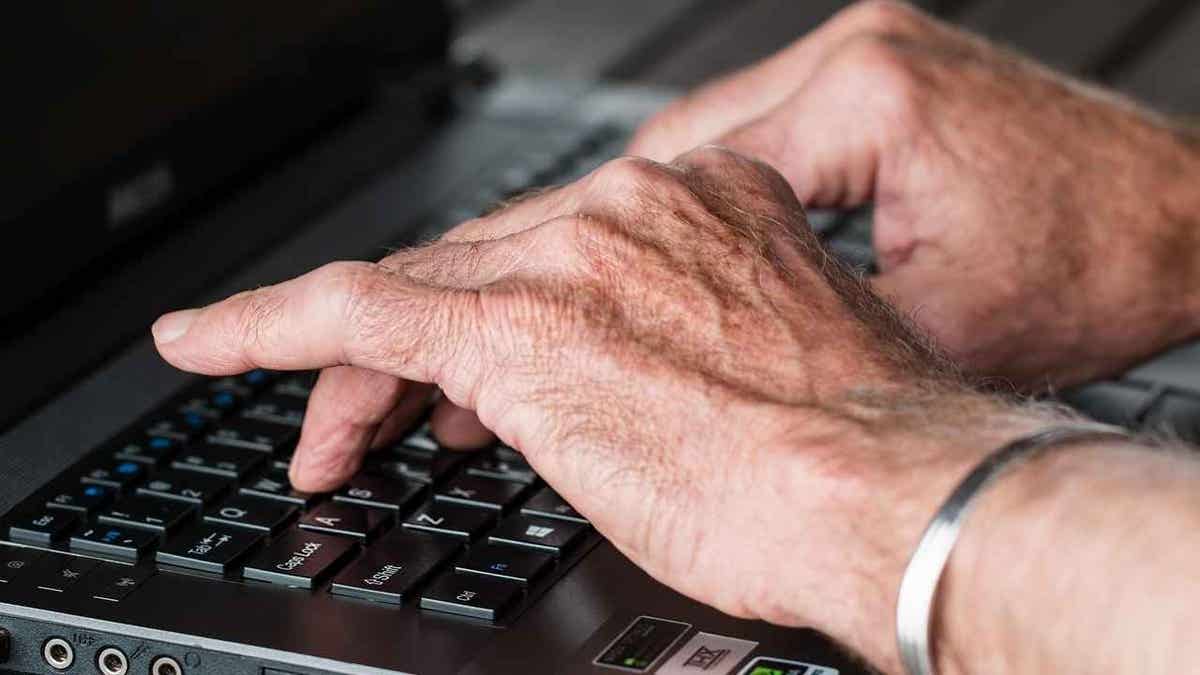
A man hitting his keyboard. (Kurt “Cyberguy” KTUSSON)
Confidentiality control list for the elderly: that protect
Think of that like walking in your home and checking the doors that need locks. Your digital life needs the same attention, and it is useful to know where you may want to save. Here is a quick overview of what to look at, why it is important, and when the help is appropriate:
Phone number
Your mobile phone number is often linked to two factors authentication (2FA), account recovery and scams such as SIM exchange. It’s intelligent Configure call blockers And lock your SIM. This is something that someone can help you.
House address
Your address can be used in Phishing attacks Or even scams in person. If he is listed on people’s search sites, someone can help you delete it.
Email account
This is the gateway to most of your online life. The configuration of authentication and filters by e-mail with two solid factors is a good idea. You may want help, but only if you completely trust the person.
Bank accounts
These are high value targets. No one should have your passwords, but you can accept help in setting up fraud alerts or reviewing account settings.
Medical gates
They have sensitive health and billing information. You may want to help you make sure that your connections are secure, but no one else needs access.
Social media accounts
These can be used to make you pass for you or collect information. It is normal to get help to lock your privacy settings.
Commercial accounts
Many store your address and credit card information. Trust help can help you eliminate old or unused accounts.
Pro advice: Jot this list or print it. Check the areas where you want help and mark the ones you manage solo. This facilitates conversations with the family, caregivers or technological support and establishes clear limits. And remember: you don’t need to give full access to anyone. A little help is very good, but your privacy belongs to you to control.

A woman typing on her laptop. (Kurt “Cyberguy” KTUSSON)
Essential privacy protections. The elderly should settle with a trusted partner
Once you have your privacy partner and your control list in place, it’s time to start locking things. These basic protections stop most scams before you start, and you don’t need to be a technological expert to make them work.
1) Safety of phones and the device
- Add a SIM pin so that no one can steal your number.
- Install a spam call blocker.
- Adjust a solid screen locking (pin, fingerprint or face ID).
- Activate automatic updates so that your software remains secure.
- Use a password manager to keep the connections in safety and organized.
Get more details on my best password managers evaluated by experts in 2025 in Cyberguy.com/passwords.
2) Filter of scam and spam
- Light spam filters in your email.
- Do not respond to strange texts or emails, even if they seem urgent.
- Mark everything that is suspicious as spam (do not click or answer).
3) Financial guarantees
- Configure bank alerts for significant or strange transactions.
- Add confidence in your bank profile (not full access, just someone to inform).
- If necessary, give reading access alone to someone you trust to monitor, not manage your accounts.
- Ask your bank protection options against fraud for the elderly.
- Talk to a lawyer if you want to set up an emergency proxy.
4) Data withdrawal
- Delete personal social media information and define the profiles in private.
- Delete personal information from research sites and data brokers.
- Let your privacy partner help follow the progress of deactivation, but stay in the loop yourself.
- Consider using a data deletion service to keep your personal information offline.
Consult my best choices for data deletion services and get a free analysis to find out if your personal information is already on the web by visiting Cyberguy.com/delete.
Get a free scan to find out if your personal information is already on the web: Cyberguy.com/freescan.
Kurt’s main dishes
Staying online safety does not mean abandoning control. This means using the right tools and the right people to support your privacy. Today, a few smart steps can protect everything you have worked so hard to build.
Have you ever had the confidentiality conversation with your loved ones? Why or why not? Let us know by writing to Cyberguy.com/Contact.
Register for my free cyberguy report
Get my best technological advice, my urgent safety alerts and my exclusive offers delivered directly in your reception box. In addition, you will have instant access to my survival guide at the ultimate – free swindle when you join my Cyberguy.com/Newsletter.
Copyright 2025 cyberguy.com. All rights reserved.


