2025 Cord-Cutter Awards: Best streaming services, devices & more


For all the gripes you might have about the state of streaming, this year still had some bright spots.
Looking back on 2025, we’ve seen the launch of several new streaming services that offer more choice and flexibility for cord-cutters, as well as compelling new plans for people who can’t help but subscribe to many services simultaneously. This year also brought us new affordable streaming players and great innovation in live TV.
As is usual around here, let’s take a look back at the best cord-cutting developments of 2025, plus a handful we’d rather forget.
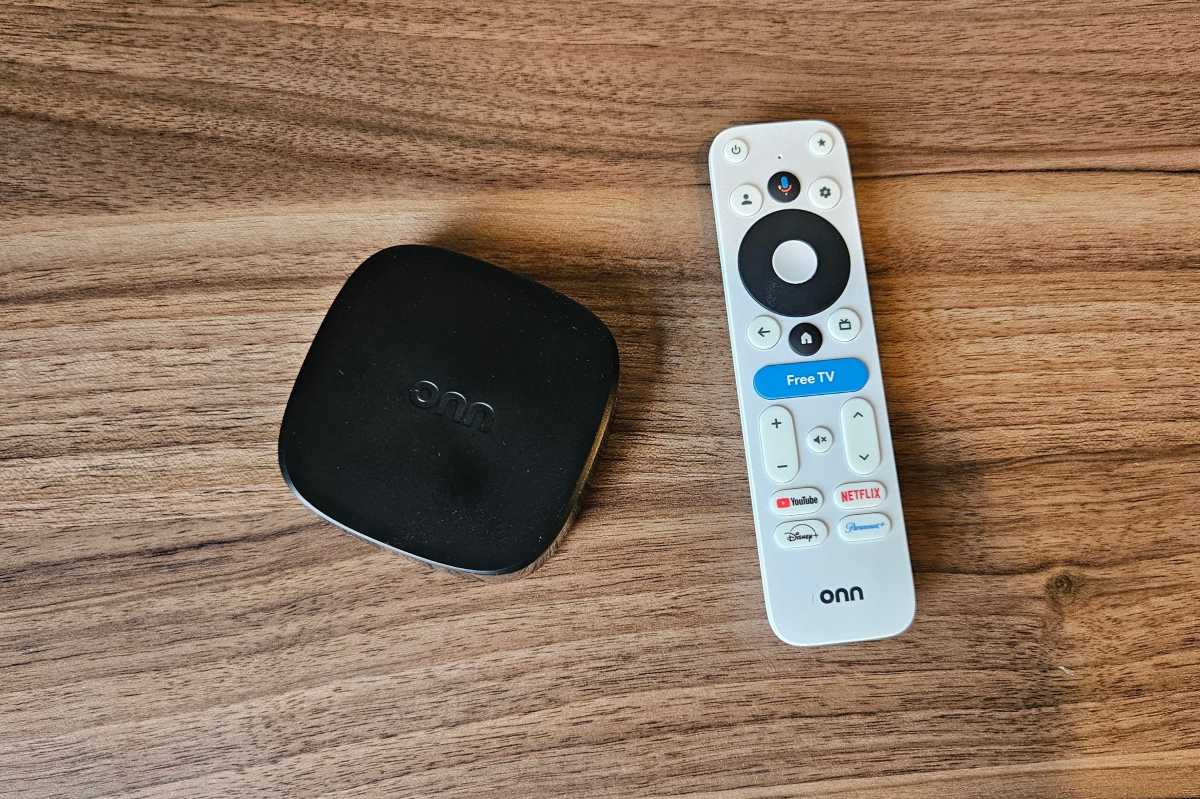
Best new streaming player: Walmart Onn 4K Plus
Jared Newman / Foundry
Somehow, the company that offers the best cheap streaming devices is still Walmart. A follow-up to last year’s excellent Onn 4K Pro, the $30 Onn 4K Plus is a surprisingly fast streaming box with Dolby Vision HDR, Dolby Atmos audio, a feature-rich remote, and a generous 16GB of storage for apps.
In side-by-side testing, it outperformed not only Roku’s Streaming Sticks but also the $50 Onn 4K Pro, and the Google TV software still excels at helping you keep up with your shows.
- Finalist: Roku’s Streaming Stick, if only because it finally brings TV volume and power controls to Roku’s cheapest streamer.
Best new streaming service: ESPN Unlimited
Sure, it’s kind of a ripoff in itself at $30 a month, but ESPN’s new streaming service finally offers everything from its cable channels without a bloated pay TV package. More importantly, it ushers in a new wave of packages built around direct-to-consumer streaming services instead of traditional cable channels.
Subscribers can add Disney+ and Hulu for $6 more per month (currently free for the first year), or add Fox One or NFL+ for $10 more per month.
- Finalist: Roku’s Howdy, reminiscent of the early years of Netflix.
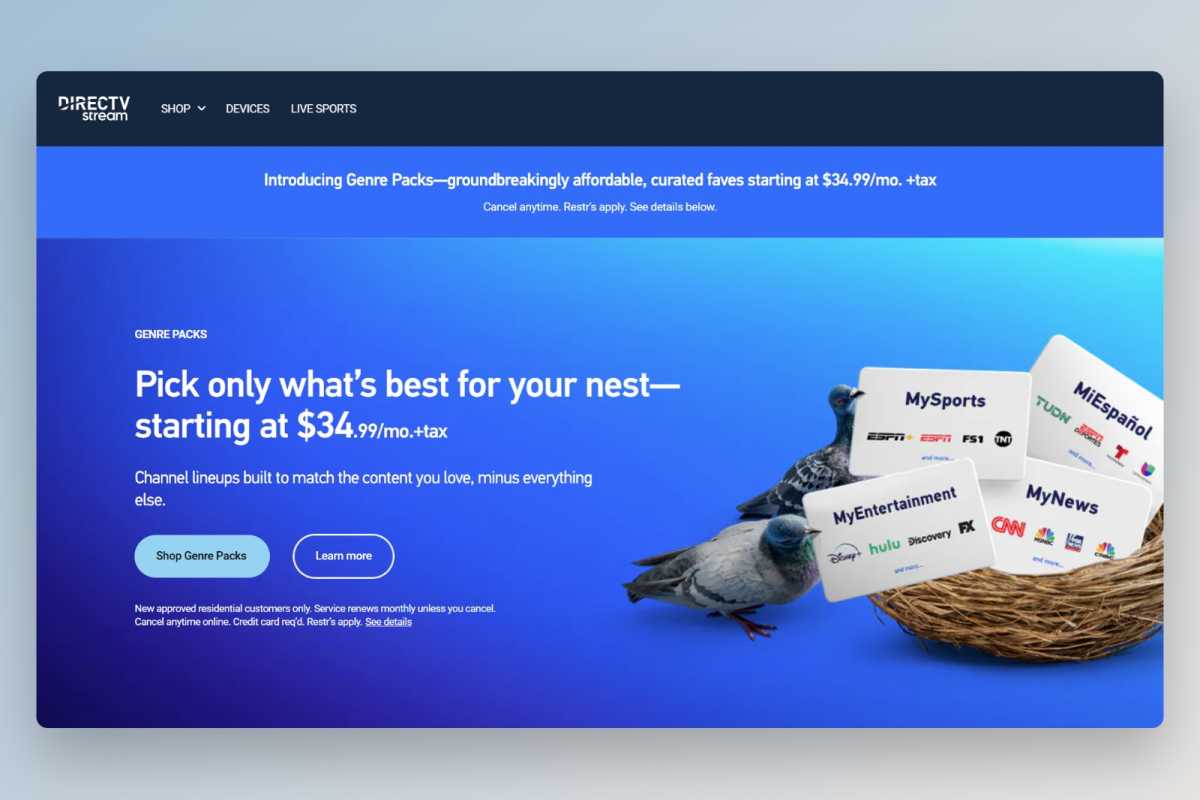
Best New Live TV Package: DirecTV’s Genre Packs
DirectTV
DirecTV’s tough stance against Disney in 2024 has yielded tangible results in 2025, with four new “Genre Packs” that cost less than most other live TV streaming services.
The $40 per month MyNews plan is sneakily the cheapest way to stream local channels (and cable news) without an antenna, and the MySports plan offers comprehensive sports coverage plus local channels and news for $70 per month. There’s also a $35 per month MyEntertainment plan that includes Disney+, Hulu and HBO Max, and a $20 per month MyKids plan with Disney+.
The future of TV packages will involve a mix of streaming services and ever-popular cable channels, while allowing people to drop more of what they don’t watch. Kudos to DirecTV for figuring this out first.
- Finalist: Sling Day Passes, which offer temporary access to ESPN and other cable channels at reasonable prices.
Best new streaming bundle: Apple TV and Peacock

Apple
The $15 per month Apple TV and Peacock bundle is a rare case where streaming companies are selling it at lower prices. Apple says the bundle saves “more than 30%” compared to the two services sold separately ($13 per month for Apple TV, $11 per month for Peacock). Here’s a simpler comparison: The plan costs just $2 more per month than Apple TV alone. It’s an easy upgrade if you had to pay for Apple TV anyway.
Best streaming service that didn’t raise prices: Disney+ and Hulu (no ads)
In Disney’s latest round of price hikes, Disney+ and Hulu’s ad-free plan is the only option that hasn’t been affected. At $20, it’s a solid value for two ad-free streaming services compared to the individual prices of Netflix ($18 per month), HBO Max ($18.49 per month), and Peacock ($17 per month). Enjoy it while it lasts.
Worst transportation conflict: YouTube TV vs. Disney
YouTube TV deserves a demerit for deciding to be stingy with its customers during a 15-day outage of ESPN and other Disney-owned channels. The company waited two football weekends to offer $20 blackout credits, then forced customers to manually navigate its website to use them. Out of shame.
Meanwhile, it’s unclear what all the fighting accomplished. There are hints of genre-based channel packs coming, as well as a promise to bundle ESPN Unlimited next year, but the more likely outcome is higher prices.
- Finalist: Fubo vs. NBC, a dispute that has now lasted almost two weeks and shows no signs of ending. At least Fubo automatically credits affected customers.
Best New Use of an Over-the-Air Antenna: Multiview DVR Channels

FantasyBits
You no longer need an expensive live TV streaming service just to watch multiple broadcast channels in split-screen. With a Channels DVR server and HDHomeRun tuner, you can get a multi-view with local channels from one antenna, as well as streaming sources if you have the technical skills. For DIYers who aren’t averse to the idea of running their own media servers, this is a major step forward.
Finalist: ZapperBox, which allows whole-home DVR with encrypted ATSC 3.0 broadcasts.
Dishonorable mention: HBO Max
In 2023, we called Max the most improved streaming service, noting the addition of the Discovery+ catalog, a 24-hour live CNN channel from TNT/TBS at no additional cost.
Two years later, Warner Bros. Discovery undoes all that. It removed the CNN feed in November to help support CNN’s new standalone service, and it plans to pull sports coverage in favor of a separate TNT Sports service next year. The future of Discovery content on HBO Max is also in question as Warner once again prepares to spin off Discovery into a separate company. It also raised prices and integrated more ads into its ad-supported tier.
Having failed to deliver on most of its promises, Warner will simply become grist for the merger mill, which may not do much for viewers but will at least make its executives richer.
Cord Cutting Co-MVP: Lon Seidman and Tyler “Antenna Man” Kleinle
These two YouTube creators have been highlighting the pitfalls of DRM in the new ATSC 3.0 broadcast standard for several years. As broadcasters work to remove the existing ATSC 1.0 standard, they took their case directly to the FCC this year, pointing to the high costs of ATSC 3.0 tuners, decryption problems on certified TVs and the limitations of over-the-air DVRs. Although Seidman and Kleinle are not opposed to ATSC 3.0, they want to preserve the spirit of free television over the public airwaves, without costly and complicated obstacles.
The FCC continues to push for ATSC 3.0 and has proposed new rules that would allow broadcasters to switch on their own timelines. But the commission also began asking broadcasters why DRM is necessary and whether there is a better way to implement it. The avalanche of consumer complaints, led by voices like Seidman and Kleinle, undoubtedly helped.
Sign up for Jared’s Cord Cutter’s weekly newsletter for more streaming TV news.


