Campaigners question ethics of puberty-blocker trial in legal letter to Streeting


Alison HoltSocial affairs editor

 BBC
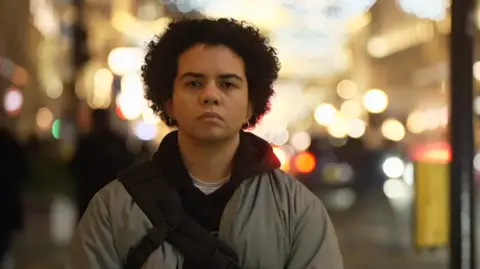
BBCCampaigner Keira Bell told the BBC she believes the planned clinical trial of puberty-blocking drugs for children questioning their gender is unethical and that children “will be fundamentally harmed”.
The Pathways trial, led by researchers at King’s College London, will examine how to improve the care of children under 16 in NHS gender clinics.
Britain’s medicines regulator approved the study to begin in January, and the research team says it was designed “to meet rigorous scientific and ethical standards.”
Ms Bell and fellow psychotherapist James Esses have sent lawyers’ letters to Health Secretary Wes Streeting and medical research organizations saying it should be stopped.
The threat of legal action calls into question the safety and transparency of the clinical trial, whether it is necessary, and whether it meets the expected “ethical principles”.
The government says the trial will provide lacking evidence on the risks and benefits of the drugs, and that multiple safeguards are in place to protect young people.
Puberty blockers, also known as puberty suppressing hormones (PSHs), are medications used to delay or prevent puberty.
They are used to treat some children and young people with gender incongruity – when a person’s gender identity does not match the sex recorded at birth – or gender dysphoria, when it causes significant distress.
The drugs were banned in the UK for gender treatment last year after a major study raised concerns about a lack of clinical evidence over their safety for under-18s.
The same study, carried out by pediatrician Dr Hilary Cass, said a clinical trial was needed to provide strong evidence as to whether the drugs would work.
Dr Cass recently told the BBC she was “really happy” that the KCL team was leading the trial.
The study will examine the physical and emotional effects of puberty blockers on around 220 children under the age of 16 attending NHS gender clinics in England, with strict criteria having to be met for any participating child.
Children will benefit from intensive support. Researchers say they will also monitor bone density and brain development.
Keira Bell was given puberty blockers and cross-sex hormones when she was a teenager. She regrets this and believes that she should have been challenged more by the staff at the Tavistock gender identity clinic, which is now closed.
In 2020, she filed a lawsuit against the clinic. The High Court ruled that it was “unlikely that under-16s would be able to give informed consent” to puberty blockers, but this decision was later overturned by the Court of Appeal, which ruled that doctors can judge whether young people can give consent to treatment.
Ms Bell, 28, told the BBC: “This trial is essentially going to harm children. »
She said children’s fertility and sexual function could be affected.
Her own experience of taking puberty blockers left her “extremely angry”, she added.
“I didn’t realize that I was basically preventing my own mind from developing, because puberty doesn’t happen in a vacuum – it’s your whole body, it’s your brain sending signals to your body. So I didn’t understand any of that,” she said.
“There are kids who have already been down this path, I’m one of them. Why aren’t we following up with people like me?”
James Esses told the BBC that questions were being raised around informed consent.
“Some of the children who are going to participate in this trial are not even old enough to open a checking account or a Facebook profile,” he said.

Legal letters from the campaigners were delivered to the Human Research Authority (HRA) and the Medicines and Healthcare products Regulatory Authority (MHRA), which gave ethical approval to the puberty blocker trial.
Mr Streeting, along with NHS England, King’s College London, South West London and Maudsley NHS Trust have also been informed.
A Department of Health and Social Care spokesperson said medical care “must always be based on robust evidence and children’s safety must come first”.
They added: “This trial will help provide the evidence that is currently lacking. Its approval has only come after extremely rigorous safety checks and with multiple safeguards in place to protect the welfare of young people – including clinical and parental approval.”
In a statement, the MHRA said participant safety was “always” its priority and its role was to “rigorously evaluate” clinical trial submissions to ensure they met “appropriate regulatory standards for participant safety and scientific integrity”.
He said he is also continually reviewing approval of the trial as it unfolds.
A spokesperson for the Health Research Authority said the Pathways trial had “all necessary regulatory approvals to start”.
He explains that a research ethics committee, made up of health professionals and members of the public, examines research proposals and gives its opinion on their ethical nature.
The KCL research team said: “Clinical care should always be supported by robust evidence, and this study will contribute to a better understanding of how to treat and care for gender-incongruent young people. »
The researchers said children participating in the study would need consent from their parents or legal guardians, as well as agreement from their primary clinician and a multidisciplinary team.
A spokesperson for the charity Stonewall said it was “vitally important” that all LGBTQ+ people, including young people, have timely access to high-quality, evidence-based healthcare.