How to protect personal data from scams when downsizing your home


NEWYou can now listen to Fox News articles!
Reduction of workforce should look like a new start. A smaller house, less maintenance, perhaps even a retirement community with new friends. In fact, more than 3 million elderly Americans move each year. Do you also plan to reduce workforce?
A woman told the internet to move her mother to an assisted living house. Before the boxes were even packed, his mother fell for two consecutive scams. It was not a bad luck; The crooks had resumed his address and jumped.
It is not uncommon. The researchers have found that more than 70% of cybercrimes go back to the personal data exposed. And the move creates one of the largest exhibitions of all. Real estate ads, moving companies and address changes are recovered by data brokers and published online, the perfect configuration for criminals to strike.
Register for my free cyberguy report
Get my best technological advice, my urgent safety alerts and my exclusive offers delivered directly in your reception box. In addition, you will have instant access to my survival guide at the ultimate – free swindle when you join my Cyberguy.com Bulletin.
Delete your data to protect your retirement from crooks
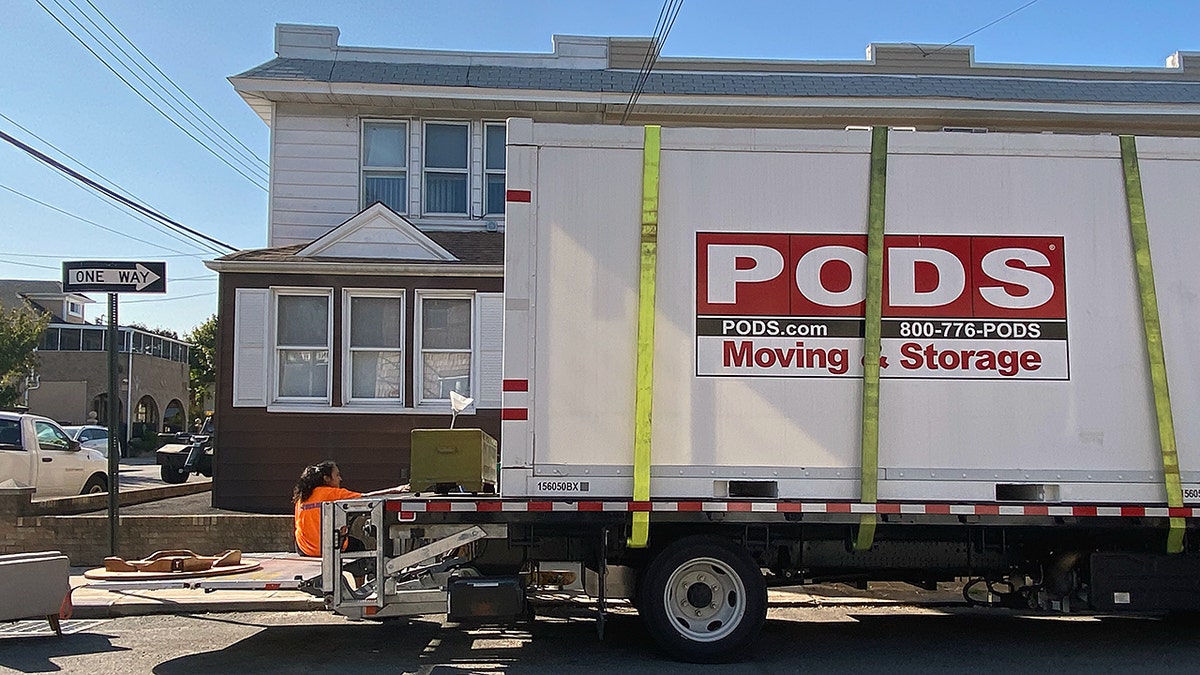
Pods moving trucks and employees outside the residential house, Queens, New York. (Lindsey Nicholson / UCG / Universal Images Group via Getty Image)
How to move put your personal data in danger
When you buy, sell or even change your address, your information is spreading on several systems:
- Real estate files (default public)
- Public service companies newspapers
- Postal transfer data
- History of transactions and home value.
The data brokers collect it all. Then they bring it together, resell it and suddenly, your new life scene is a secret of Polichinelle. This is exactly what the crooks are looking for.
10 signs your personal data is sold online
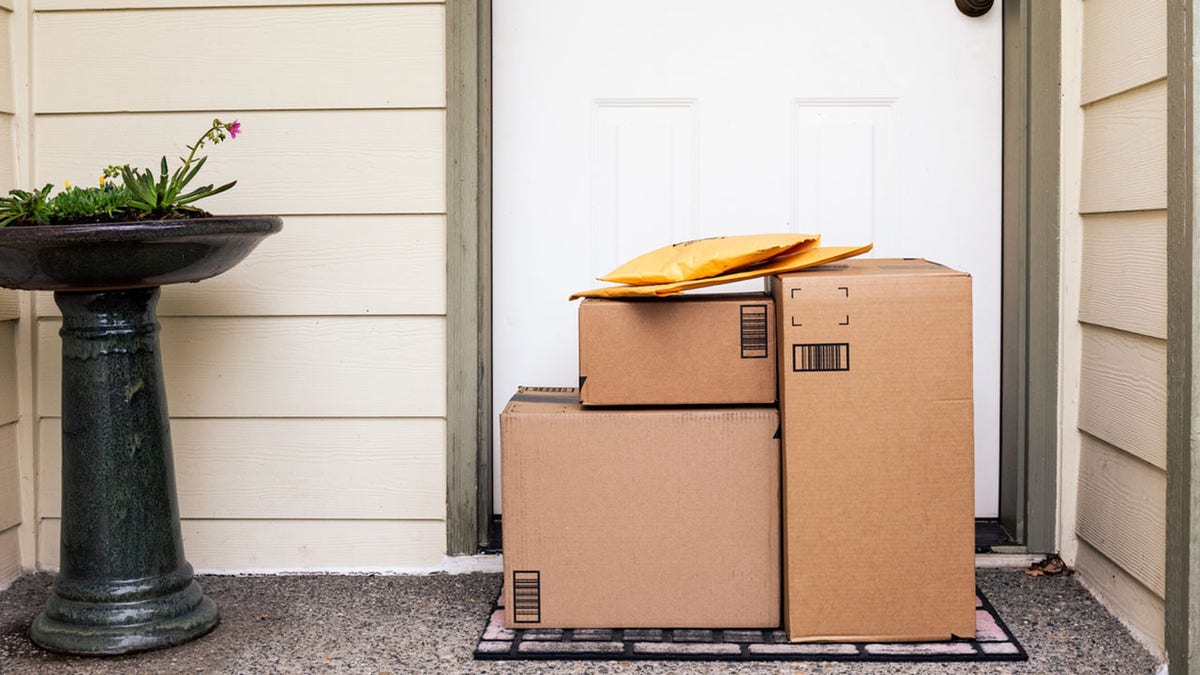
Cybercriminals examine several databases to obtain information on a movement. (istock)
Current scams that target you when reducing the workforce
Here is why the move makes seniors a hot target:
- Identity flight: Combine your new address on your date of birth (easy to find online) and thieves can open accounts on your behalf.
- Cry -rich scams: Selling a house can give you the impression that you are sitting in cash. Fraudsters know this.
- Phishing tips: False calls for “utility configuration” requesting your social security number.
- Harassment: A new address published online can draw unwanted attention.
Think about it this way: while you are busy unpacking the boxes, criminals unpack your data.
How to hand over data confidentiality for the elderly to a loved one of confidence

Deleting your data can protect you from cyber-escroqueries. (Kurt “Cyberguy” KTUSSON)
How to protect your personal data when you move
Although the trip creates new opportunities, it also creates new risks. These simple steps will help you lock your personal data before the crooks can use it.
1) Delete your information from data broker sites
Data brokers update your file automatically when you move. This means that your new address, telephone number and even the details of the property transaction can be on research websites for people almost overnight. Once your profile is there, crooks can buy or scratch it easily.
The good news: you don’t have to hunt each broker yourself. A personal data deletion service does legs work for you, by contacting data brokers, requiring deletion and following to make sure that your new details do not retreat. Consider it as hiring a moving company for your personal data.
Although no service can guarantee the complete deletion of your Internet data, a data deletion service is really an intelligent choice. They are not cheap, and your privacy either. These services do all the work for you by actively and systematically erase your personal information from hundreds of websites. This is what gives me peace of mind and turned out to be the most effective way to erase your personal data on the Internet. By limiting the available information, you reduce the risk of crooked references from the crooks from violations with information they may find on the Dark Web, which makes them more difficult for them to target you.
Consult my best choices for data deletion services and get a free analysis to find out if your personal information is already on the web by visiting Cyberguy.com.
Get a free scan to find out if your personal information is already on the web: Cyberguy.com.
2) Use the official USPS form only
When you change your address, always use the USPS official website or your local post office. Some third -party sites seem to offer practical service, but they often collect additional data on you and sometimes even resells. Going directly to the source means that your sensitive details do not take unnecessary detours.
3) Watch real estate disclosure
When you sell your home, more than the price is published. Your name, past addresses and even photos of your home can be part of the public file. Ask your real estate agent what is automatically disclosed and if something can be limited or expurgated. It is worth it to be difficult here: the less your personal imprint is linked to your property, the better.
4) Return the old documents
Moving is the perfect excuse to serve. But don’t just throw old bills, medical statements or financial files; shredded. Diving with garbage dump for personal data may seem obsolete, but it is always a method of using crooks. A good shredder guarantees that your sensitive story is not found in bad hands.
5) Share the news in private moving
It’s tempting to publish a “goodbye, Old House!” Online photo, but resist envy. The public announcement of a move indicates to the crooks exactly when your house is empty and what could be your new address. Instead, share the news directly with family and close friends. A little less online buzz means much more offline security.
6) Gélesine your credit before and after the move
A powerful way to stay ahead of the crooks is to freeze your credit. A frost blocks new credit accounts when you open your name, even if criminals have your address or other details. The good news is that you can do it for free with the three main credit offices: Equifax, Experian and Transunion.
It only takes a few minutes online or by phone, and you can lift the frost at any time if you have to request a loan or a credit card. By freeze your credit before and after your move, you create a strong barrier which prevents thieves from transforming stolen data into financial damage.
Click here to obtain the Fox News app
Kurt’s main dishes
The move should look like a new start, not an invitation to the crooks to strike. With a few smart steps, you can stay in advance on data brokers and fraudsters. From shredding documents to freezing your credit, each action adds a protective layer. By protecting your information before and after your move, you gain peace of mind and start your next chapter on solid land. The effort is low in relation to the security it brings.
Should be done more to prevent companies from exhibiting and selling our personal data? Let us know by writing to Cyberguy.com.
Register for my free cyberguy report
Get my best technological advice, my urgent safety alerts and my exclusive offers delivered directly in your reception box. In addition, you will have instant access to my survival guide at the ultimate – free swindle when you join my Cyberguy.com Bulletin.
Copyright 2025 cyberguy.com. All rights reserved.


