How to Watch Double Meteor Shower as Southern Delta Aquariids and Alpha Capricornids Peak Tonight


Météores binoculars showers the night sky tonight: this is how to look
Aquariids of the southern delta and alpha capricornides are due to a peak at the same time and can be added to something magical
Adventure_photo / Getty Images
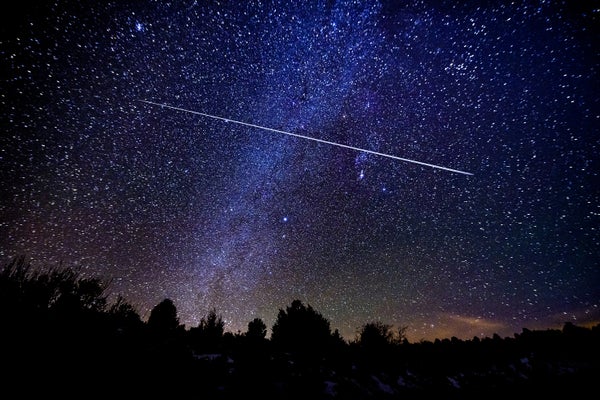
Keep your eyes to the sky from Tuesday evening to Wednesday morning, and you might see an unusual cosmic convergence: two meteor showers, the aquarids of the southern delta and the alpha capricornides, reaching the intensity the same evening.
Each meteor shower alone can be a little difficult to spot. Aquariids seem relatively low in the sky and often lacks long trails, and capricornides tend to produce only about five visible meteors per hour. But tonight, a crescent moon to hair removal will take place early, leaving the dark sky, and two showers should both increase the chances of spotting a shooting star.
The aquariids of the southern delta come from a cloud of dust left by the comet P / 2008 Y12. This shower has been active since July 18 and seems to come from the southwest part of the Aquarius of the Constellation. They are the easiest to see if you live in the southern hemisphere. But if you live north of the equator, they should be the most visible low in the southern sky. This shower will be the easiest to see after 10 p.m., the time of the local day (LDT) Tuesday and culminates around 3 am LDT Wednesday morning.
On the support of scientific journalism
If you appreciate this article, plan to support our award -winning journalism by subscription. By buying a subscription, you help to ensure the future of striking stories about discoveries and ideas that shape our world today.
The Alpha Capricornides come from the 169P / Peal comet, and they became active on July 12. Although they are relatively low in volume, they are more likely to produce dramatic fire balls that cross the sky. They seem to come from the Capricorn constellation and must be visible on both sides of the equator. The best time for visualization should be an hour after midnight.
With a little luck, you could even see a third shower. The annual shower of Perseid meteors culminates in mid-August, when the earth passes through the dusty path left in the passage of the comet Swift-Tuttle. We crossed this cloud of debris on July 14. And although it is still very early, a few stars of filming this shower could appear.
The meteors come from particles left by comets or pieces of broken asteroids while orbit the sun. When the earth passes through these trails of debris, the pieces of rock and dust sink into the atmosphere of our planet to produce an ardent spectacle.
The American Meteor Society has more details on how and the moment to see the two showers of meteors in the sky tonight.


