U.S. and Iran trade fire and threats as Trump’s bid to open Hormuz rattles ceasefire


The escalation of tensions raised questions about whether the ceasefire that began on April 8 was threatened or actually ended.
“Well, I can’t tell you,” Trump responded when asked that question Monday night in an interview on “The Hugh Hewitt Show.”
He warned that Iranian forces would be “wiped off the face of the Earth” if they attacked US ships, in a separate interview with Fox News.
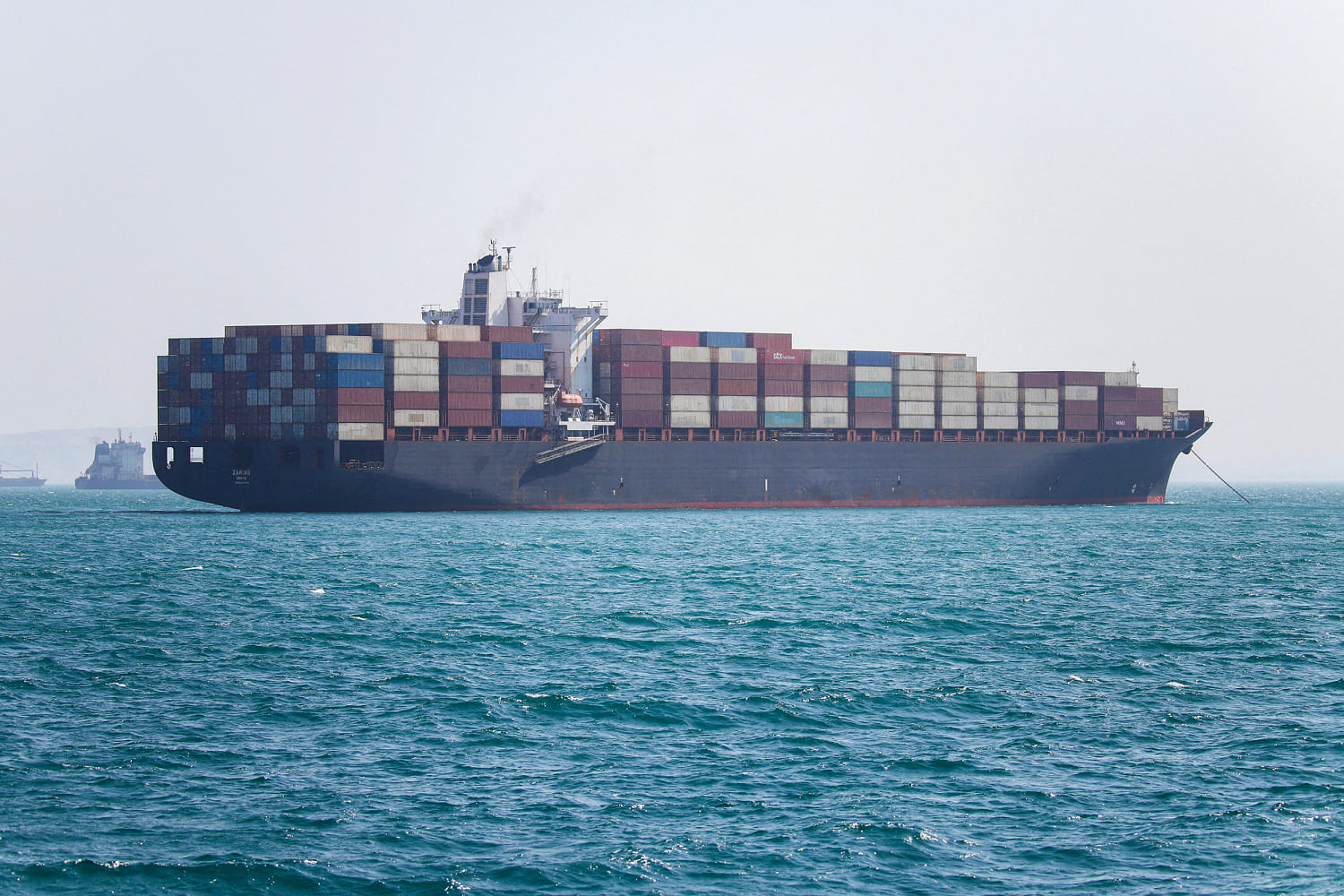
Hostilities in the strait also involved a South Korean-operated ship, which suffered damage after an explosion and fire on Monday.
Trump called on South Korea “to join the mission” in a TruthSocial article, accusing Iran of firing “a few rounds” at the ship. Seoul said it was reviewing Trump’s proposal.
Meanwhile, the United Arab Emirates, a key US ally in the Gulf, said it had fired 12 ballistic missiles, 3 cruise missiles and 4 drones from Iran. The attack sparked a fire at an oil facility and injured three Indian nationals, officials said, drawing widespread condemnation.
Iran neither explicitly confirmed nor denied the attack, but said Tehran did not intend to target its neighbor. Araghchi, the foreign minister, warned the United States and the United Arab Emirates against “being dragged into the quagmire.”
Araghchi was scheduled to travel to Beijing on Tuesday. China, which has close ties with Tehran, is under increasing pressure to help end the war.
Pakistan, a key mediator in the stalled peace talks, urged both sides to keep their cool.
It is “absolutely essential that the ceasefire be maintained and respected, to allow the necessary diplomatic space for dialogue leading to lasting peace and stability in the region,” Prime Minister Shehbaz Sharif said in a message on X.
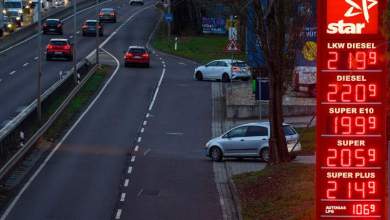
Markets responded to the latest dramatic events by pushing oil prices back, while remaining well above $100 a barrel, while average U.S. gas prices edged up to $4.48 a gallon.
Trump’s mission appears to have done little to immediately boost the confidence of those whose crews and cargo have spent weeks stranded in the strait. Ship owners and operators have expressed caution over whether “Project Freedom” could significantly change the calculations and restore traffic flow.
“Either side can signal a willingness to allow transit, but unless the other side mirrors that behavior and it appears to be sustained over time, the risk profile for ships and crews remains unchanged,” Bjorn Hojgaard, CEO of shipping management company Anglo-Eastern Univan Group, told NBC News on Tuesday.
“Most cautious shipowners still choose to hold their ground rather than expose ships and crews to uncertainty,” Hojgaard said.
More clarity is needed, including on what protection and security guarantees will be provided in the event of an Iranian attack, said John Stawpert, senior director of maritime at the International Chamber of Shipping, the global trade association for ship owners and operators.
“There’s still a lot of uncertainty about what ‘Project Freedom’ actually means,” Stawpert told NBC News in a telephone interview.