Trump calls the Iran conflict a military operation


https://www.profitableratecpm.com/f4ffsdxe?key=39b1ebce72f3758345b2155c98e6709c

-
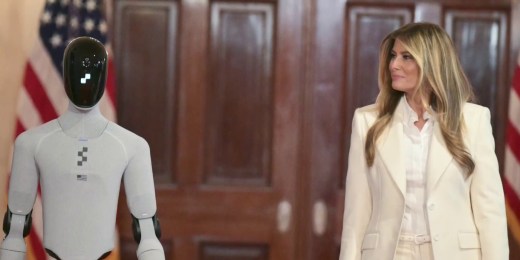
Viral robot appearances multiply as the White House welcomes a humanoid robot
02:56
-
Now playing
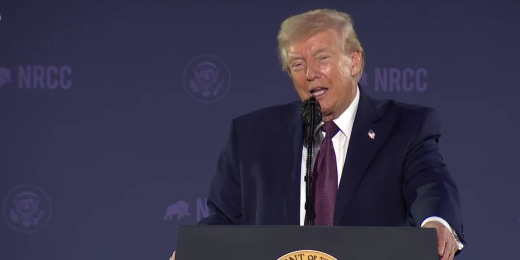
Trump calls Iranian conflict a military operation
01:31
-
FOLLOWING
Trump calls mail-in voting a ‘way to cheat’ even though he started one himself
01:02
-
‘Amazing job’: Trump praises ICE at airports, open to deploying National Guard
02:11
-

Iran rejects Trump’s peace proposal
02:13
-

Jury finds Meta and YouTube negligent in landmark case
02:20
-
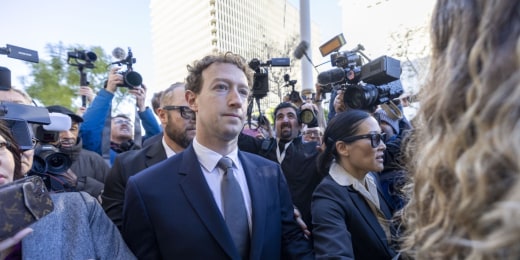
Why the Meta and YouTube lawsuit could trigger the ‘end of social media as we know it’
08:33
-

Swedish defense chief reacts to Trump’s criticism of NATO allies amid Iran war
08:55
-

Trump ‘using troops as cannon fodder’ in ‘illegal war’ with Iran, says Senator Duckworth
29:39
-
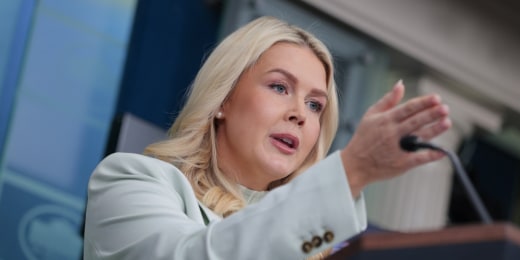
White House says negotiations with Iran continue to be “productive”
01:05
-

How a Democrat flipped the Florida state district that includes Mar-a-Lago
02:40
-
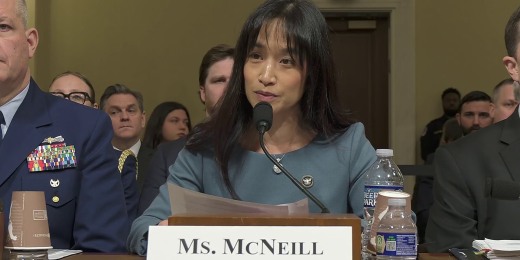
Acting TSA administrator says partial shutdown ‘significantly compromises’ security
04:28
-
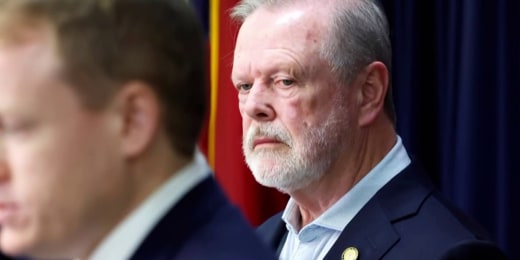
North Carolina state senator loses election by 23 votes
00:34
-
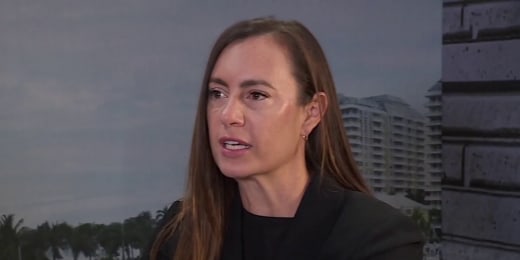
Democrat Emily Gregory flips Florida state district that includes Mar-a-Lago
00:44
-

Additional troops deployed to Middle East as Trump claims victory
02:20
-

Where are the negotiations to end the partial government shutdown?
01:33
-

Airport chaos continues as partial closure enters day 40
02:18
-
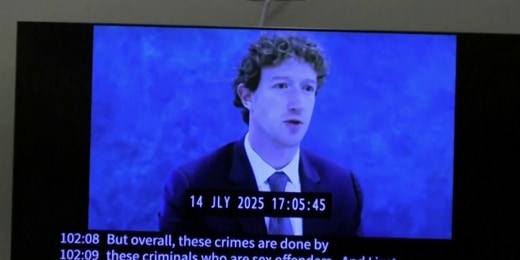
Jury rules against Meta in historic trial
00:55
-

Senate Republicans optimistic about potential deal to fund TSA
02:07
-

President Trump to deploy more than 1,000 additional troops
02:11


-
Viral robot appearances multiply as the White House welcomes a humanoid robot
02:56
-
Now playing
Trump calls Iranian conflict a military operation
01:31
-
FOLLOWING
Trump calls mail-in voting a ‘way to cheat’ even though he started one himself
01:02
-
‘Amazing job’: Trump praises ICE at airports, open to deploying National Guard
02:11
-
Iran rejects Trump’s peace proposal
02:13
-
Jury finds Meta and YouTube negligent in landmark case
02:20


