Mini robots detect and fix water pipe leaks without digging


NEWYou can now listen to Fox News articles!
The repair of groundwater pipes generally means digesting roads and sidewalks – a disturbing and expensive process. However, researchers at the University of Sheffield in the United Kingdom are working on a different approach. They have developed small robots called “pipes” which can travel inside water pipes to find and potentially repair leaks, all without excavation.
Register for my free cyberguy report
Get my best technological advice, my urgent safety alerts and my exclusive offers delivered directly in your reception box. In addition, you will have instant access to my survival guide at the ultimate – free swindle when you join my Cyberguy.com/Newsletter.
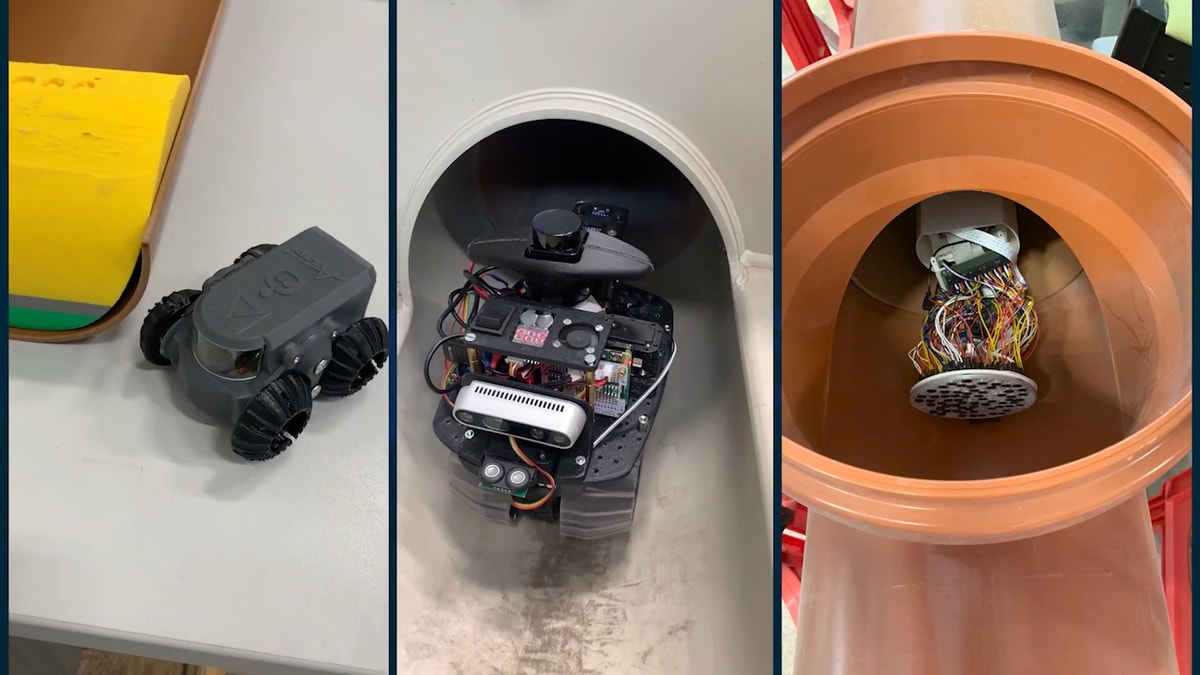
Pipebot in various environments. (University of Sheffield)
The old underground pipes that flee cause a crisis
The United Kingdom has some of the oldest water systems in the world, parts of the network always going back to the Victorian era. Unsurprisingly, many of these pipes flee, wasting about 790 million gallons of water every day. Repairing them generally means digesting the streets, which leads to a major disruption and adds to the maintenance costs of $ 5 billion per year in the country.
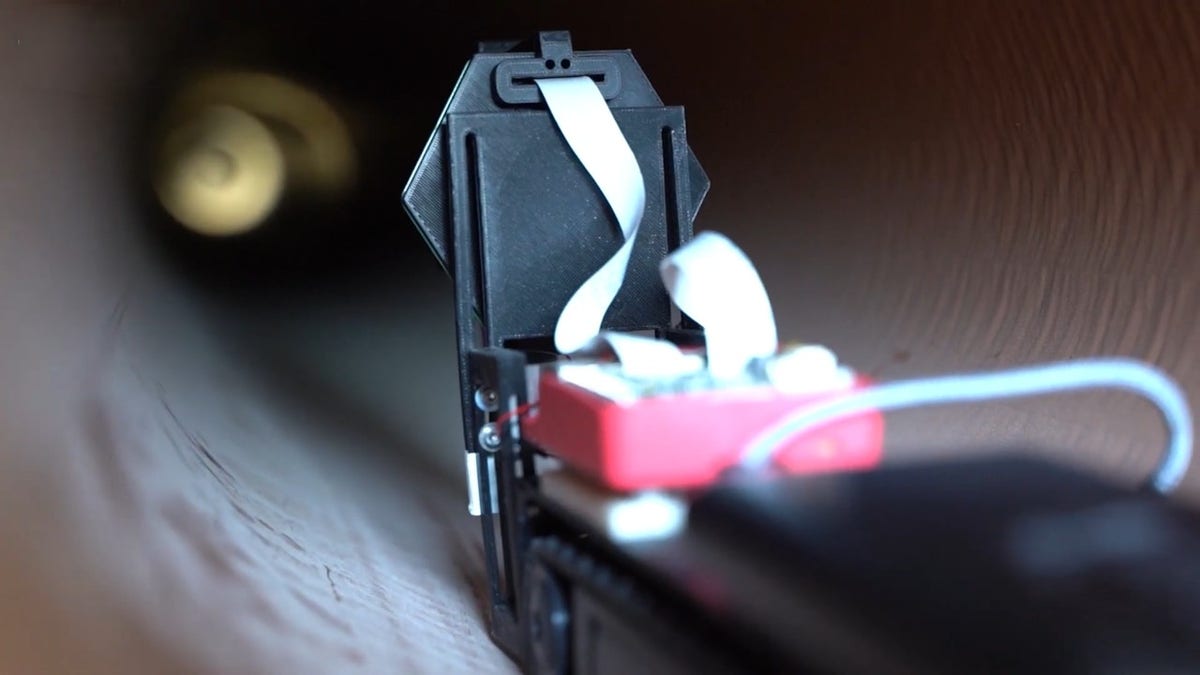
A prototype of a tuybot. (University of Sheffield)
Small robots come to the rescue
The pipe votes are tiny high -tech aids designed to navigate the underground world of water pipes. Everyone comes with acoustic sensors, cameras and robust wheels that help him move through tight and winding spaces, quite intelligent to avoid out -of -boundar areas.
They fell into the water system by fire mouths and group trips, scanning the interior of the pipes, even for the smallest cracks. When they identify a problem, they refer details to engineers above the ground, which facilitates problem solving without explaining anything.
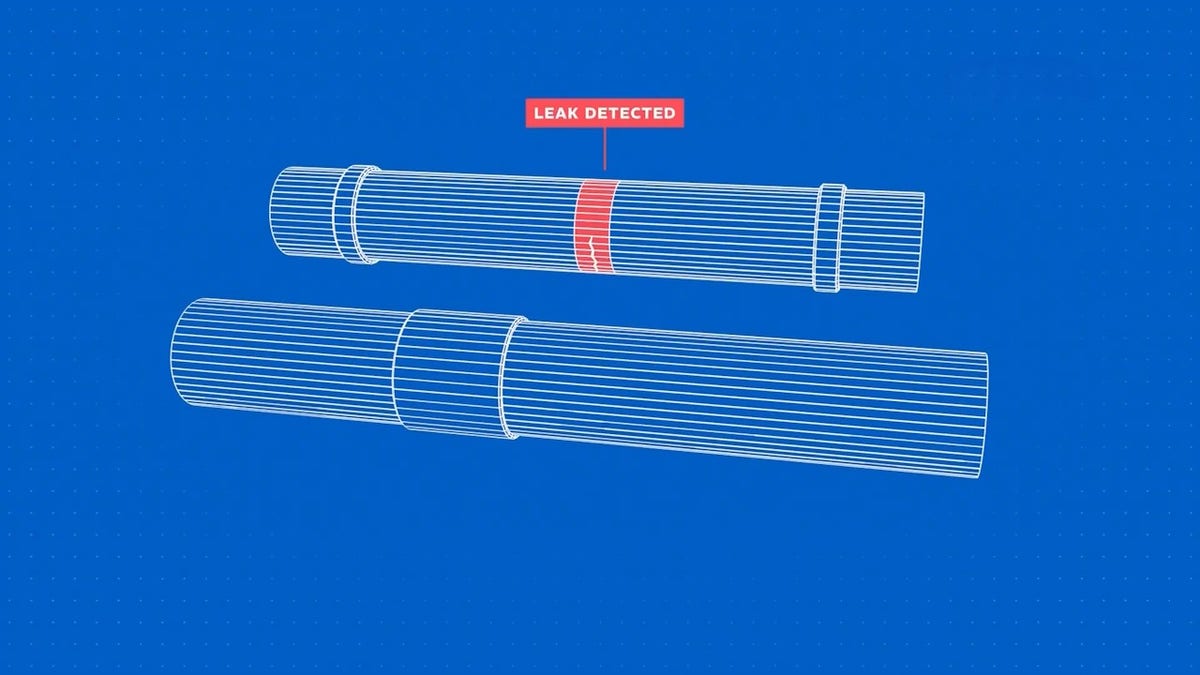
An illustration showing that a Tuybot has found a leak. (University of Sheffield)
Robots are part of a more important innovation plan
These robots are part of a greater effort to modernize how the United Kingdom manages its aging aquatic infrastructure. The initiative is not only a university research project – it is supported by the UK water regulator, ofwat (The Water Services Regulation Authority) and involves several collaborative projects.
One of these projects focuses on the use of pipe boots to inspect live pipes and pressure wastewater, also known as the sector lifting. The goal is to catch problems early and make repairs before leaks cause pollution.
Another project, called “No Dig Fair Repair”, works on means of repairing leaks from inside the water themselves, completely avoiding the need for disruptive road works.
There is also the Pipeon project funded by the EU, which develops advanced and supplied robots which can inspect the sewers independently, without human guidance.
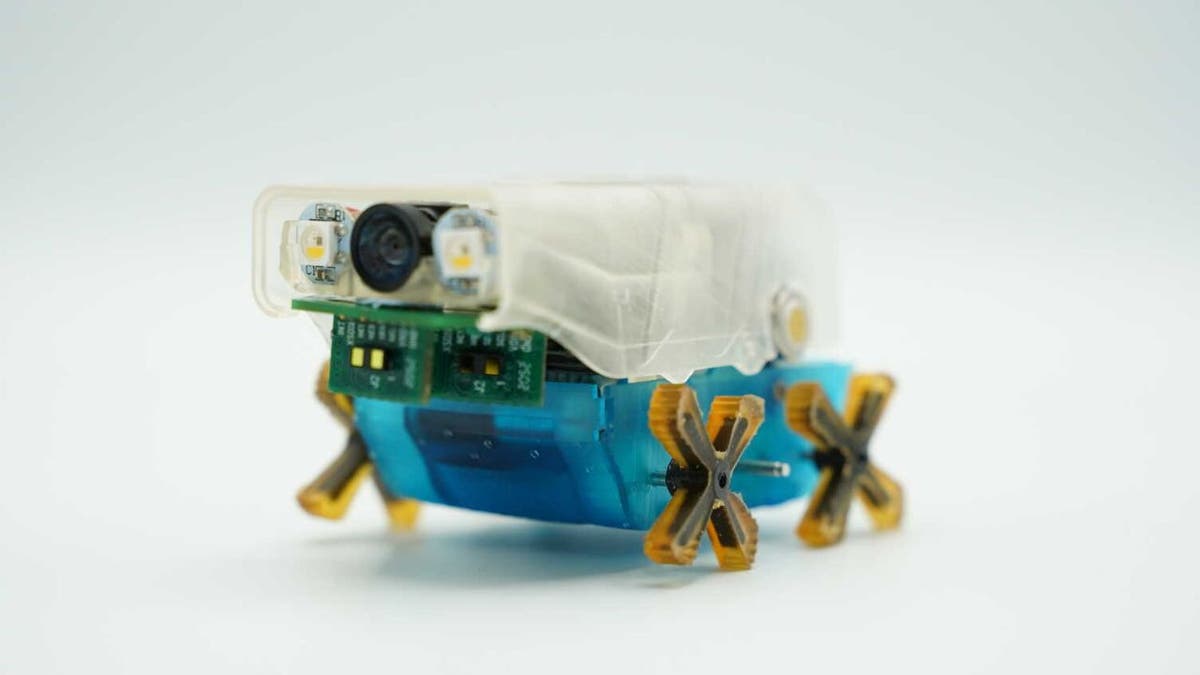
Image of a Tuybot. (University of Sheffield)
Kurt’s main dishes
These small robots could be exactly what countries around the world need to make their water systems smoothly. They have the potential to make maintenance cleaner, more affordable and much more efficient. This is particularly important for developing countries where budgets are tight and infrastructure is aging or incomplete. As the pressure to keep water increases, tools like pipebots could make a real difference by helping us manage this vital resource more wisely.
What water infrastructure challenges exist in your region, and do you think robots like these could help? Let us know by writing to Cyberguy.com/Contact.
Register for my free cyberguy report
Get my best technological advice, my urgent safety alerts and my exclusive offers delivered directly in your reception box. In addition, you will have instant access to my survival guide at the ultimate – free swindle when you join my Cyberguy.com/Newsletter.
Copyright 2025 cyberguy.com. All rights reserved.


