An infectious disease expert explains what germs can lurk in pools — and how to avoid them


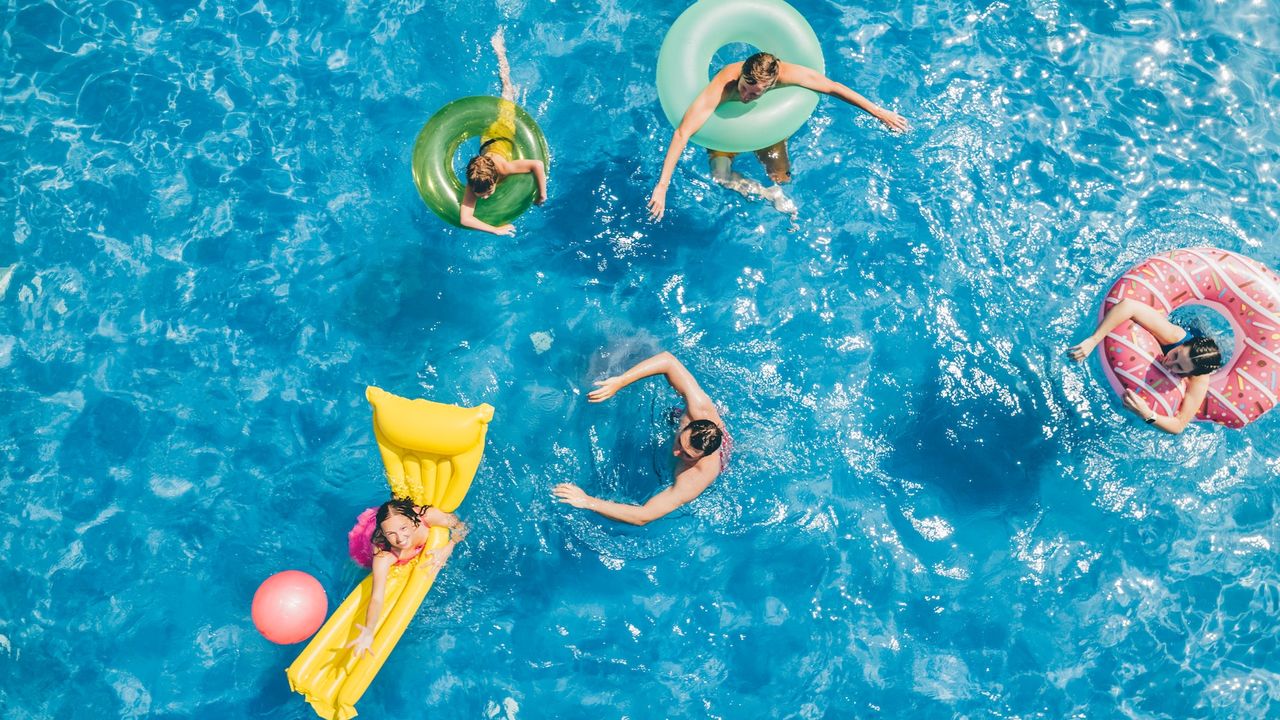
The hot summer days, little is more refreshing than a dive in the pool. But have you ever wondered if the swimming pool is as clean as this crystalline blue water appears?
Inasmuch as Immunologist and specialist in infectious diseasesI study how germs spread through public spaces and how to prevent spread. I even teach a course called “leisure infections” where we explore the risks linked to recreational activities and discuss precautions, while taking care not to transform students into germophobes.
Swimming, especially in public pools and water parks, is delivered with its own single risk set – minor skin irritations to gastrointestinal infections. But swimming also has a plethora of physics, social and mental Health benefits. With a certain knowledge and a little vigilance, you can enjoy the water without worrying about what could be hidden below the surface.
The reality of pool germs
Summer news titles and social networks Often highlights the “Ick factor” municipal swimming spaces. These concerns have a certain merit.
The good news is that chlorine, which is widely used in swimming poolsis effective in killing many pathogens. The news not so good is that chlorine does not work instantly – and it does not kill everything.
Each summer, the Centers for Disease Control and Prevention Alert problem on epidemics of swimming -related diseases caused by exposure to germs in public pools and aquatic parks. A CDC 2023 report Followed more than 200 epidemics associated with the swimming pool From 2015 to 2019 in the United States, affecting more than 3,600 people. These epidemics included skin infections, respiratory problems, ear infections and gastrointestinal distress. Many results of these infections are soft, but some may be serious.
Germs and disinfectants
Even in a pool properly treated with chlorine, some pathogens can linger for minutes on days. One of the most common culprits is Cryptosporidiuma microscopic germ This causes aqueous diarrhea. This single cell parasite has a hard external shell which allows it to survive in treated water at chlorine for up to 10 days. It spreads when fecal matter – often someone suffering from diarrhea – enters the water and is swallowed by another swimmer. Even a small amount, invisible to the eye, can infect dozens of people.
Another common germ is Pseudomonas aeruginosaa bacteria which causes a rash and The swimmer’s ear. Viruses like norovirus And adenovirus Can also linger in the pool water and cause disease.
Swimmers introduce a range of body residues in water, including perspiration, urine, oils and skin cells. These substances, in particular sweat and urine, Interact with chlorine to form chemical by-products Called chloramines which may present health risks.
These by-products are responsible for this strong smell of chlorine. A clean pool should actually miss a strong smell of chlorine, as well as any other odor, of course. It is a common myth that a strong smell of chlorine is a good sign of a clean pool. In fact, it can actually be a red flag which means the opposite – that water is contaminated and should perhaps be avoided.
How to play safely in a public swimming pool
Most risks linked to the pool can be reduced with simple precautions by pool staff and swimmers. And although most diseases related to the pool do not kill you, nobody wants to spend their vacation or a week of beautiful summer days in the bathroom.
These 10 tips can help you avoid germs from the pool:
- Shower before swimming. Rinsing for at least a minute removes most dirt and oils on the body that Reduce the efficiency of chlorine.
- Avoid the pool if you are sick, especially if you have diarrhea or an open wound. The germs can spread quickly in the water.
- Try Keep the water out of your mouth To minimize the risk of ingestion of germs.
- Do not swim if you have diarrhea to help prevent the spread of germs.
- If diagnosed with cryptosporidiosisOften called “crypto”, wait two weeks after stopping diarrhea before returning to the swimming pool.
- Make frequent bathroom breaks. For children and adults, regular bathroom breaks help prevent accidents in the pool.
- Check the layers every hour and change them away from the pool to avoid factories.
- Dry your ears carefully after swam at Help prevent swimmer’s ear.
- Do not swim with an open wound – or at least make sure that it is completely covered with waterproof bandage to protect yourself and the others.
- Shower after swimming to remove the germs from your skin.
This published article is republished from The conversation Under a creative communs license. Read it original article.


