Australia’s ghost crabs decapitate baby sea turtles


Life can take a difficult start for Caouanne sea turtles (Caretta Caretta) newborns. In fact, it can more like a food frenzy with sea turtles as a star dish. After hatching their nests on the beach, the Australian Golden Ghost crabs (COSPODE COMPXA) Will pull the turtles by grabbing their necks. Then they decapitate the turtle and feed on their cut heads. It is a macabre scene for turtles that is detailed in a study published earlier this year in the journal Animals.

The crabs along the west coast of Australia attack the Turtles of the Caouanne Sea. Credit: CASPER ADVIRUE, ECU and DBCA.
“Previous studies are mainly limited to evidence of disturbances of nesting of turtles in damage to head of the head,” said Casper Endness, co-author of the study and marine biologist at Edith Cowan University in Western Australia. “While even fewer studies have studied the mechanisms of the predation of newborns once they have emerged from the nest.”
Found along the west coast of Australia, ghost crabs are smaller than a talkie-walkie. During the day, they take shelter in the high tide water brand where it is fresh, emerging at night in search of food. As a minorivores, they mainly eat brown leaves with leaves, but they are a deadly enemy for newborns and sea turtle eggs during the nesting season (from mid-November to the end of February).
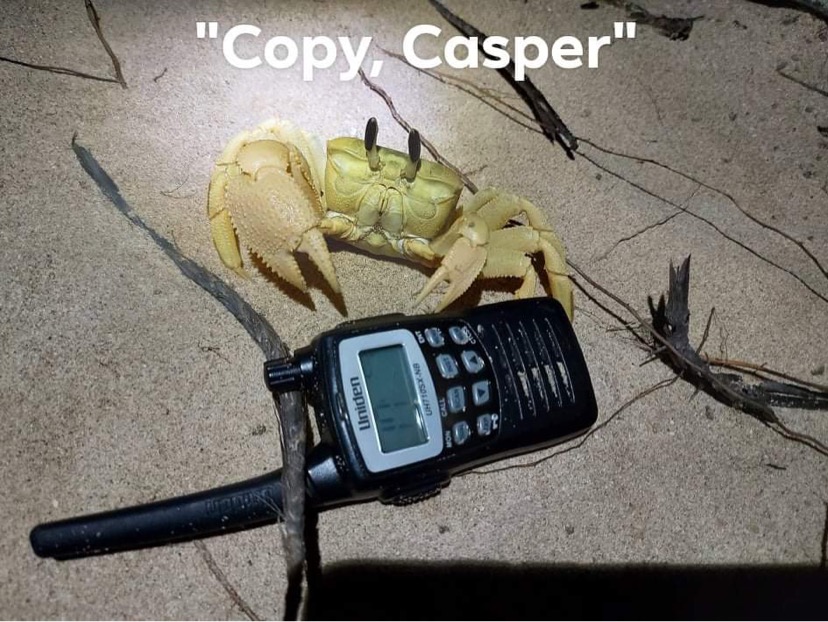
“On the beaches where ghost crab densities are high, several crabs can feed on newborns emerging from nests over several nights, often causing a partial destruction of turtle clutches,” added the study co-author and the coastal environment of Edith Cowan Glenn Hyndes. “As an endangered species, a high level of predation of eggs and newborns could be a problem for long-term survival of rubber turtle populations.”
Since the predation of the newborn generally occurs at night and in distant places, it is difficult for scientists to capture this behavior without disturbing it. However, infrared videography can help record what’s going on on the beach without disturbing turtles or crabs.
The team of this new study used special cameras to watch the Golden Ghost Crabs feed along the Ningaloo coast in Bungelup Beach and Gnaraloo Bay on the west coast of Australia. Previous studies have revealed that more than 35% of rubber eggs were practical in Ningaloo nests, 80% of which are in a single column. Among the newborns in Ningalo, 45% were eaten.
When you approach a sea turtle egg, the ghost crab cuts a distinctive slit in egg shells. They will then use this hole to consume the contents of the egg, according to amendment.

As for feeding on newborns, ghost crabs use their large claws to restrict the small turtles, while the small claw cuts the soft skin around the neck. This partially or completely cuts the turtle head before the crab feeds on the cavity.
“In terms of predators’ behavior, it was interesting to note that ghost crabs display similar approaches to rape the egg shells during the sub-measure and feed on newborns,” said amendment. “We have also found that ghost crabs seem to anticipate the emergence of newborns, often gathering near the nests in the moments before the emergence.”
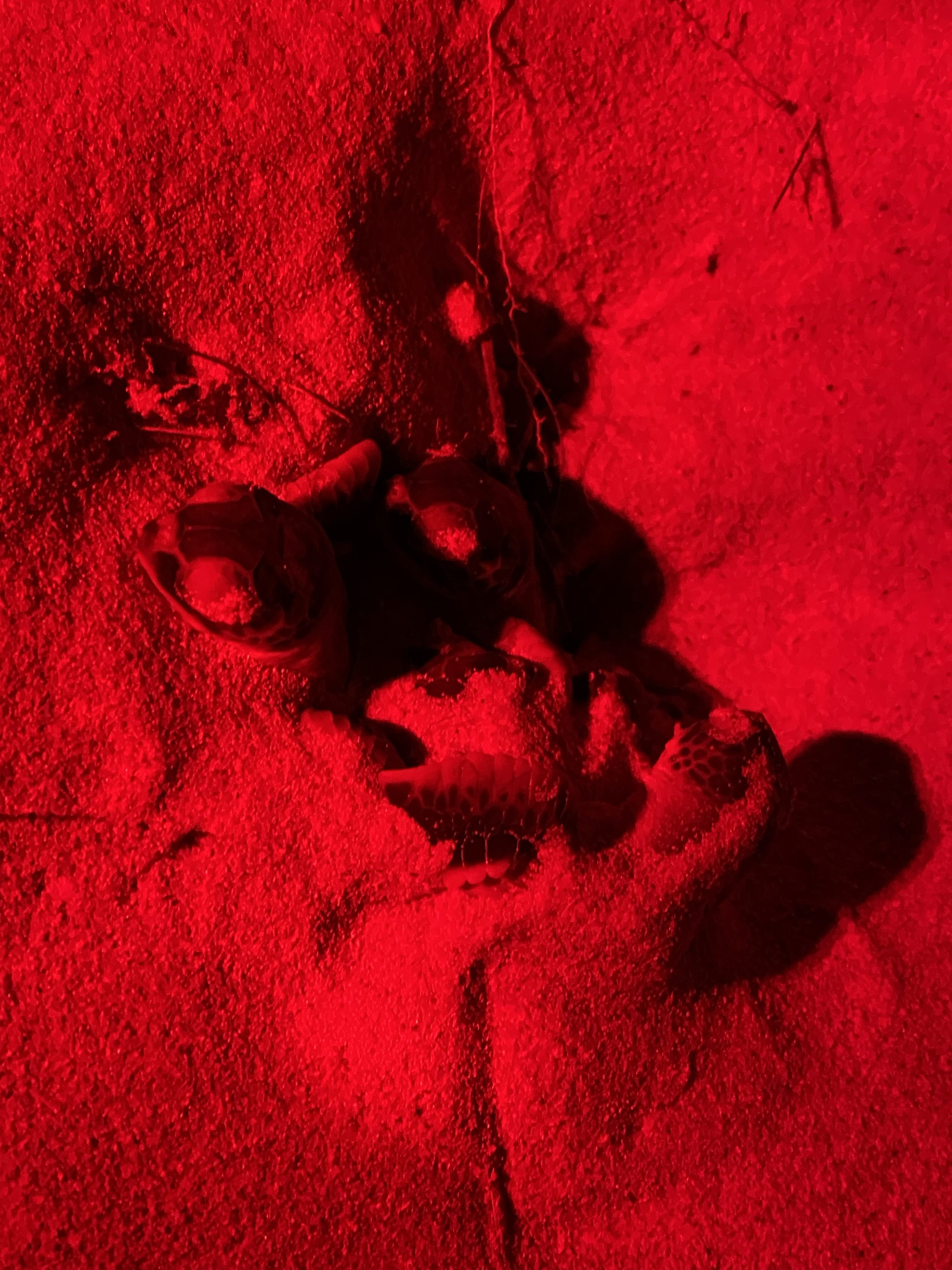
They also compared this behavior in the wild state with those of an aquarium framework at the Minderoo Exmouth Research Laboratory. Aquarium diet has shown that ghost crabs preferred to feed on animal flesh with brown algae.
According to the team, this research indicates that ghost crabs are effective predators of the early phase of sea turtles with a taste for meat.

More offers, reviews and purchasing guides


:max_bytes(150000):strip_icc()/Health-GettyImages-2188207749-464a8e74e79d40ef9521b8fb0fc22fa3.jpg?w=390&resize=390,220&ssl=1 "4 Supplements To Help Relieve Vaginal Dryness Naturally")

