MIT professor designs 2026 Winter Olympics torch


Every Olympic Games has a torch. Each torch has a designer. For the Milan Cortina 2026 Olympic and Paralympic Games, that designer is MIT engineer and architect Carlo Ratti.
A winter sports enthusiast, Ratti is the owner of the architectural firm Carlo Ratti Associati and is a native of Turin, Italy, which hosted the Winter Games in 2006. His firm’s work has been featured in numerous international exhibitions, including the French Pavilion at the Osaka Expo (World’s Fair) in 2025. The Cloud, a 400-foot-tall spherical structure, was also a finalist for a platform special observation at the 2012 Olympic Games in London.
Olympic organizers invited Ratti to design this year’s torch, and he used many of his teaching principles to approach the project.
“It’s about what the object or design should convey,” Ratti said in a statement. “How it can touch people, how it can interact with people, how it can convey emotions. That’s the most important thing.”
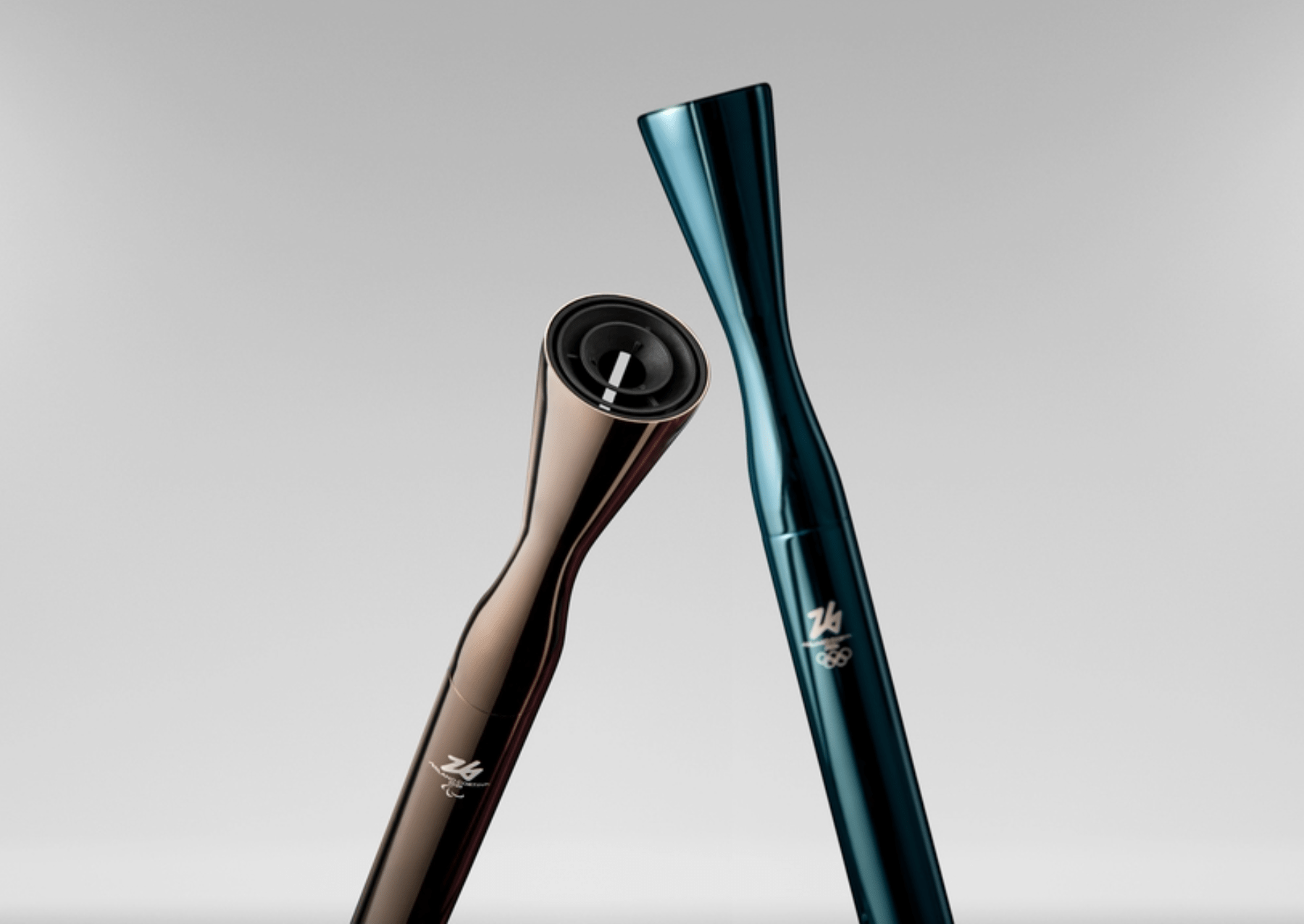
Image: Photo courtesy of Milano Cortina 2026.
The official name of the 2026 Winter Olympic flame is “Essential”. Importantly, it was designed to work regardless of the weather, wind, or altitude the torch would encounter during its more than 7,000-mile journey from Olympia, Greece, to Milan, Italy. In total, the design process lasted three years with the collaboration of several researchers and engineers.
“Each design pushed the boundaries in different directions, but all had a key principle of putting the flame at the center,” Ratti said, adding that he wanted the torch to embody “an ethos of frugality.”

Essential | The Torch of Milan Cortina 2026 | Realization of
Credit: Milan Cortina 2026
As for the flame, always important, a high-performance burner powered by bio-LPG produced from 100% renewable raw materials by the energy company ENI is at the heart of the torch. Previously, torches were only used once, but “Essential” can be recharged 10 times, allowing fewer torches to be built.
“Essential” also has a unique internal mechanism that can be seen through a vertical opening on its side. This means the public can peek inside and see the burner in action. From a design perspective, this reinforces Ratti’s desire to emphasize the flame itself and not the object.
Related Olympic Stories
Weighing just under 2.5 pounds, “Essential” is the lightest torch created for the Olympics and is made primarily from recycled aluminum. The body is finished with a heat resistant PVD coating. This special finish allows the torch to change color reflecting the environments it passes through, whether it’s the bright city lights of Milan or the peaks of the Dolomites.
The Olympic flame is a blue-green hue and the Paralympic flame is gold. It also won an honorable mention in Italy’s most prestigious industrial design award, the Compasso d’Oro.

Throughout the process, the flame has been the most fundamental aspect of the torch. The flame was considered sacred in ancient Greece and will remain lit throughout the 16 days of competition.
A recurring symbol at the Summer and Winter Olympic Games, the flame attracts attention well before the first puck drop or the first downhill. His journey to the 2026 Olympics began at the end of November and will have traveled through all 110 Italian provinces before arriving in Milan in time for the opening ceremony on February 6. Ratti carried the torch for part of his trip to Turin in January. He hopes that the flame and the games will highlight the Italy of today and tomorrow.
“When people think of Italy, they often think of the past, from ancient Rome to the Renaissance or the Baroque period,” he said. “Italy does indeed have an important past. But the reality is that it is also the second largest industrial power in Europe and is a leader in innovation and technology in many areas. So the 2026 flame aims to combine both the past and the future. It draws on Italian design from the past, but also on the technologies of the future.”

The best new PopSci 2025 releases


