Prior authorizations can delay health care. Here’s how to push back : NPR


Oona Zenda/KFF Health News
A woman with multiple sclerosis wanted to be able to climb the stairs without losing her balance. Her doctor prescribed a medication that helped, but insurance approval for that medication later expired. “Why do I need prior authorization for something I’m already allowed to take? If my doctor says he wants me to take a medication, why does my insurance have any other say?”
—Jaclyn Mayo, Lunenburg, Massachusetts
Jaclyn Mayo suffers from multiple sclerosis, an autoimmune disease that damages the nervous system and can disrupt coordination and balance. To be more stable, Mayo tried to lose weight: a lighter body puts less pressure on the joints and leads to greater flexibility.
After Mayo didn’t have much luck with her diet and exercise, her doctor prescribed Zepbound, a GLP-1 obesity drug that suppresses appetite.
“It really helped me,” she said. “I could go up and down the stairs without feeling like I was going to fall.”
As a bonus, GLP-1 seemed to alleviate other MS symptoms for Mayo: She began sleeping through the night and the frequent numbness in her hands disappeared.
After seven months on Zepbound, she fell into the insurance pitfall: prior authorization.
In August, his pharmacy didn’t refill his prescription, and it’s unclear why.
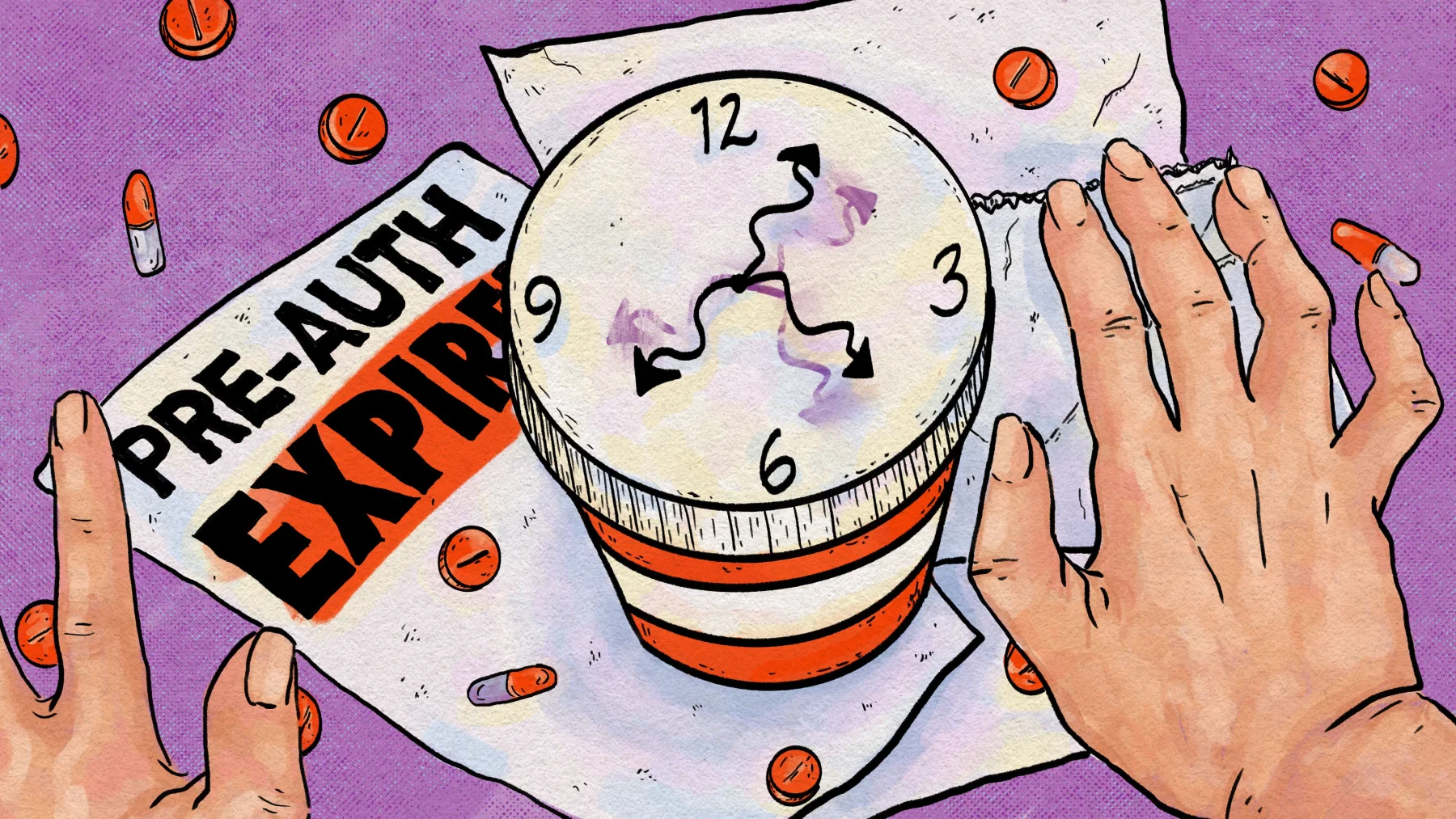
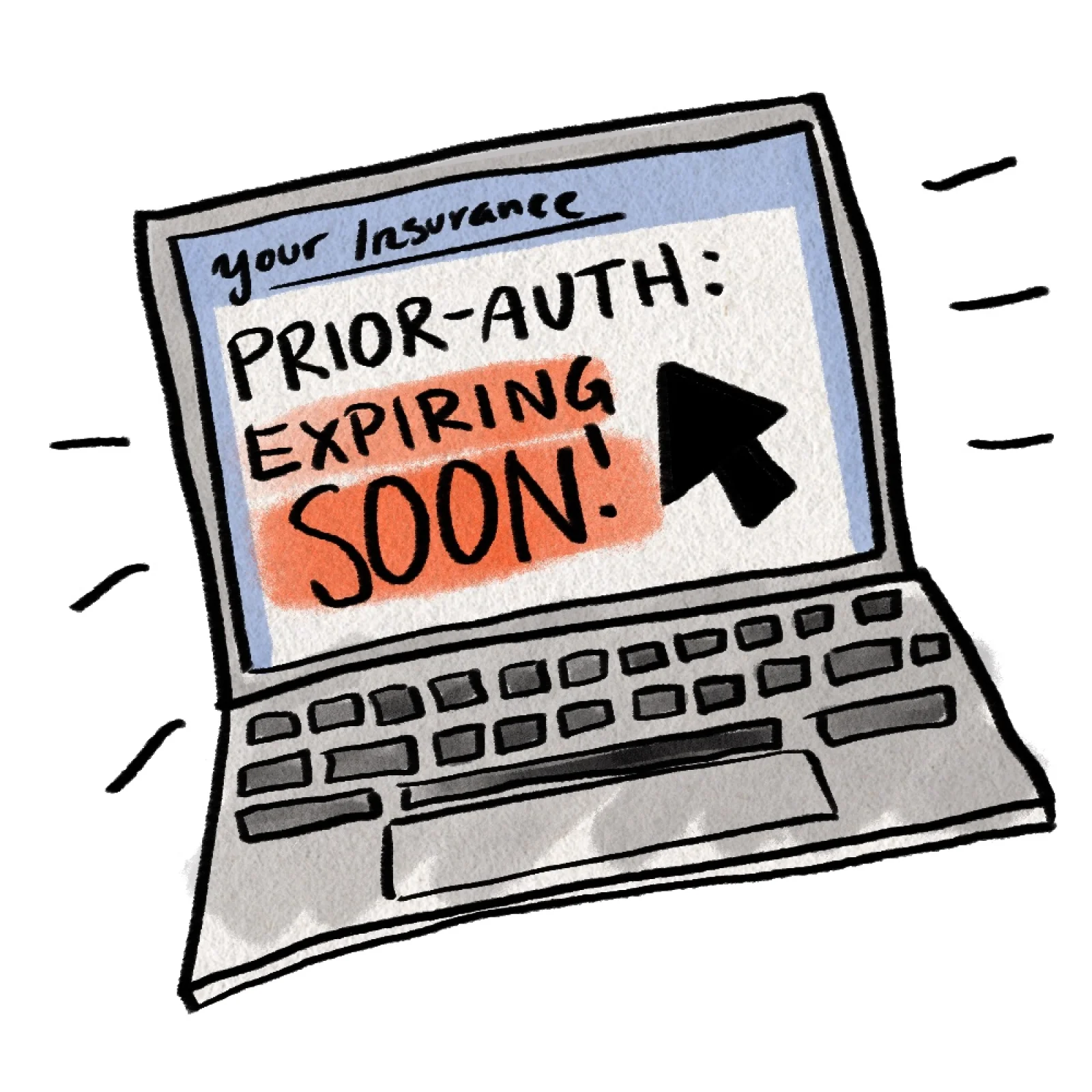
She called her pharmacist, then her doctor’s office, the pharmacist again, and finally her insurance company. After speaking with the insurance company’s pharmacy benefits manager — a third-party company that oversees insurers’ prescription drug plans — Mayo discovered that the prior approval her insurer had given for the drug, known as a prior authorization, had expired.
Insurers require prior authorization for certain particularly expensive treatments or tests. When doing so, your doctor must request pre-authorization from your insurance company, explaining why you need the treatment. The insurer then decides whether it recognizes that the care is medically necessary and whether it will cover it.
Mayo had been taking the drug for less than a year and did not understand why a new prior authorization was needed so soon. She said she never received a letter or email informing her that the time limit had expired when she first received prior authorization. As someone with a chronic illness, Mayo said, she follows her medical documents closely. She feels like she did everything right, which she says makes the situation particularly infuriating.
Oona Zenda/KFF Health News
Her doctor submitted the necessary paperwork and then found out that the new approval would take seven to 10 business days.
At this point, Mayo had been off her medication for two weeks. His sleep was getting worse and the tingling and numbness in his hands was returning. So she requested that her prior authorization be expedited, only to learn that it was her doctor, not Mayo, who should make the request for urgent testing.
“This red tape was completely avoidable,” she said. “And all they had to do was communicate clearly to me. Then I could have continued taking my medication without delay. But they didn’t.”
Why insurers want prior authorization
Doctors are often frustrated with the pre-authorization process, but insurers say it keeps costs down.
AHIP, the insurer trade group formerly known as America’s Health Insurance Plans, declined an interview request. But in an emailed statement, he said prior authorizations are an important safeguard that helps ensure patients receive safe, evidence-based care and that coverage remains affordable.
In a 2024 letter, the American Medical Association, which represents doctors, said the way health plans use prior authorizations is “opaque and overly complex,” creating delays in care and a greater administrative burden.
Patients are also frustrated. A recent survey found that one in three adult policyholders considers prior authorizations a “major burden” in accessing health care.
It’s likely Mayo encountered pre-authorization hurdles because her doctor prescribed GLP-1, an expensive class of drugs. The more expensive the treatment, the more oversight, said Miranda Yaver of the University of Pittsburgh, who studies health policy and administrative burdens within the insurance system.
Problems with prior authorizations are common. Policymakers could standardize how insurance companies evaluate prior authorization requests to prevent more Americans from experiencing medical disruptions, Yaver said.
“It’s a problem that can be solved, if we have the will and if the political conditions are right. I don’t think they are right at this moment,” she said.
Here’s what you need to know to get prior authorization requests approved in a timely manner.
1. Find out when your prior authorization expires
Individual insurance companies, and even individual plans within those companies, often have different policies regarding prior authorizations.

Oona Zenda/KFF Health News
“As you can imagine, this is becoming a nightmare,” said physician David Aizuss, chairman of the AMA board of directors.
Even though expensive treatments are more likely to undergo prior authorization review, Aizuss said this also happens for low-cost generic drugs.
To find out how long your prior authorization lasts, contact customer service at your insurance company or pharmacy benefits manager, whichever manages your plan’s prior authorizations.
2. Don’t procrastinate
Getting pre-approval isn’t always quick, so allow time for things to go wrong.
It took Mayo almost three weeks to resolve the issue of prior authorization of its GLP-1 prescription. She made the initial refill request about a week before her medication ran out and ended up without medication for more than two weeks.
3. Ask your doctor to request an expedited exam
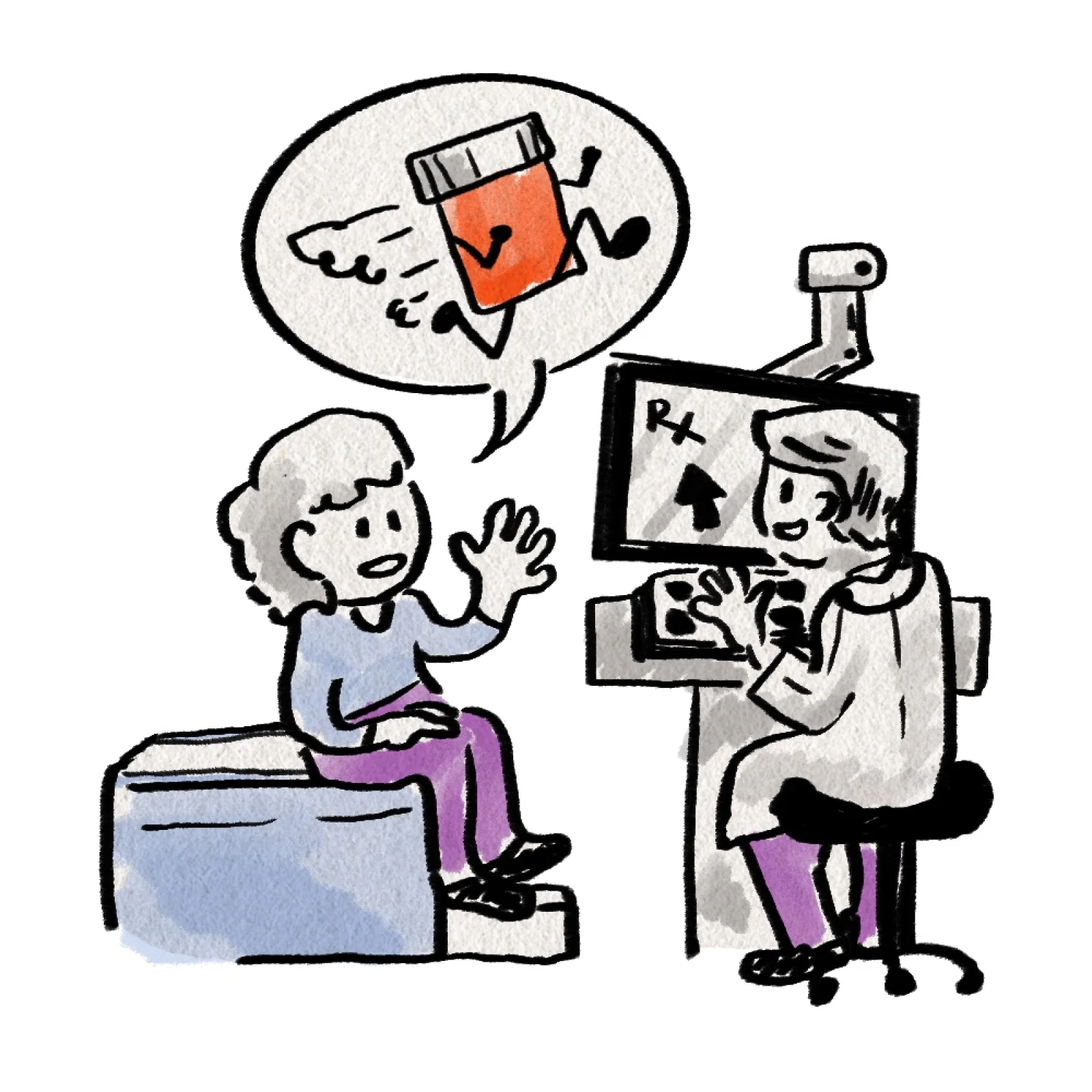
While you wait for your prior authorization, your doctor may not know how many medications you have left or that your health is worsening. You can ask your doctor to request an expedited exam. However, as Mayo discovered, insurance companies and pharmacy benefit managers don’t always offer this option.
Ooona Zenda/KFF Health News
When an expedited review is appropriate is up for interpretation, said Kaye Pestaina, director of the patient and consumer protection program at KFF, a nonprofit health information organization that includes KFF Health News.
“No one knows the details of what emergency means,” she said.
Federal regulations require that urgent requests made by individuals with employer-sponsored plans be processed within 72 hours. And, on January 1, a federal rule took effect that creates a similar requirement for all Medicare Advantage, Medicaid and Children’s Health Insurance Program plans. However, this rule does not apply to medications.
4. Consider other treatment options
When Mayo’s doctor first suggested he try a GLP-1, getting the specific drug approved was taking a long time. When it became clear that the request would likely be denied, the doctor rescinded that initial request and filed a prior authorization request for another brand of GLP-1, Zepbound. It was approved.
Ask your doctor about treatment alternatives. Health plans have different formularies – lists of regularly approved medications. Switching medications may be easier than fighting to get your health insurance plan to approve coverage.
But be aware that your insurance company can change your health plan’s drug list at any time and require you to get a new prior authorization.
5. Don’t be afraid to appeal
Appeal, even if you fear losing. Yaver said that, based on the research that will be published in his book, Coverage Denied: How Health Insurers Generate Inequalities in the United Statespeople who appeal prior authorization or request a denial win about half the time.

Oona Zenda/KFF Health News
First, determine where to send your appeal. Usually this is an insurance company, but if the treatment you need is medication, it may be a PBM.
And be sure to include detailed records in your appeal.
If you’re trying to get approval for a specific drug, Yaver said, send documentation showing you’ve tried other drugs or treatments that haven’t worked. This helps make your case and can speed up the process.
“I actually just got prior authorization for my migraine medication,” Yaver said. “It actually happened very quickly.”
Health Care Helpline helps you overcome healthcare system barriers that stand between you and good care. Send us your tricky question and we can hire a political detective to solve it. Share your story. The participatory project is a joint production of NPR and KFF Health News.
KFF Health News is a national newsroom that produces in-depth journalism on health issues and is one of the major operating programs of KFF.


:max_bytes(150000):strip_icc()/Health-GettyImages-546022282-32394144b0ec4a40b5723dd0073b7b9f.jpg?w=390&resize=390,220&ssl=1 "4 Ways Berberine May Help You Lose Weight Naturally")
