Move over açaí – the Amazon has more ‘superfoods’ to offer


Georgina RannardClimate and science journalist, Belém, Brazil

 Getty Images
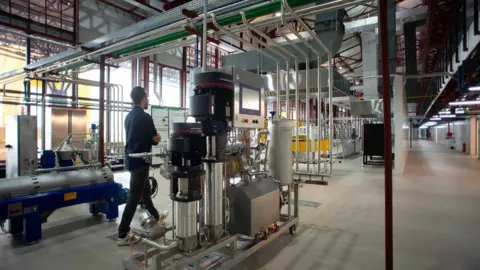
In a laboratory in a renovated warehouse on the banks of a churning brown river in Belém, Brazil, machines are pulping candidates for the world’s next “superfood.”
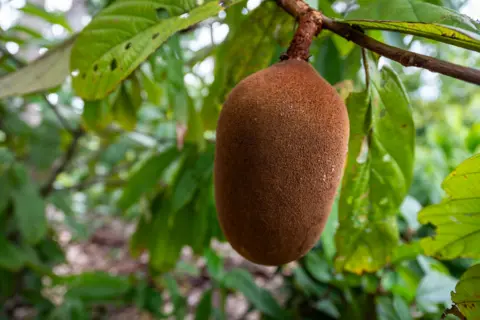
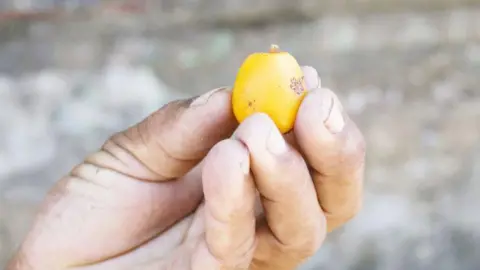
Cupuaçu… Taperebá… Bacaba… Like açaí berries, these strange fruits are rich in antioxidants, fiber or fatty acids.
If Brazil has its way, they could soon be appearing on your social media feeds and being sold in trendy cafes across the UK, Europe and the US.
It is part of a bold plan by the country, which is hosting the UN COP30 climate negotiations, to fight climate change, protect nature and create wealth in the face of considerable regional poverty.
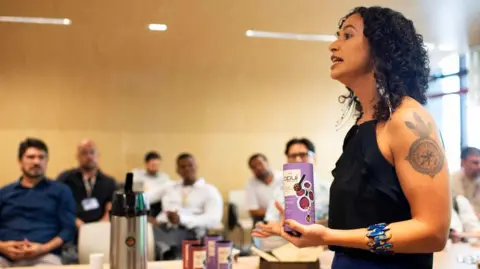
“There are a lot of superfoods in the forest that people don’t know about,” says Max Petrucci, founder of a local company Mahta that sells cocoa powder and Brazil nuts for shakes.
The drink he makes me try is grainy and tastes like chocolate without sugar.
 Getty Images
“We focus first on the nutrition and health benefits that these Amazonian ingredients provide,” he explains.
But the second benefit, he explains, is “social and environmental”. He says they pay fair prices and only buy from farmers who practice sustainable agriculture.
It sounds like a marketing pitch and the company’s careful packaging promises “ancestral ingredients” and the “power of purple fruits of the forest.”
 Getty Images
Scientific research into the benefits of “superfoods” is limited, but it is generally accepted that eating Amazonian fruits is good for your health.
Larissa Bueno, also at Mahta, explains that they only sell powdered foods – “like Huel in the UK,” she says.
Transporting raw fruit that deteriorates a few days after picking is expensive. But if companies freeze dry powdered ingredients to sell to supermarkets or ship abroad, “that retains more of the nutritional value and it’s a smart way to retain more economic value in Brazil,” she says.
 Getty Images
The Belém Bioeconomic Park laboratory helps small businesses test new ways of preserving fruit.
“People have been eating from these forests for over 10,000 years. There are so many undiscovered superfoods,” says Max.
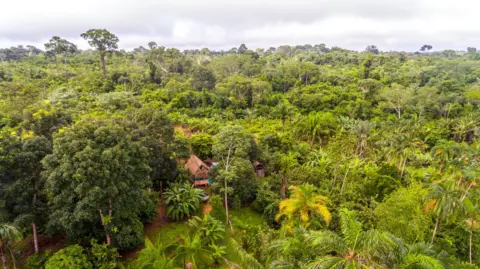
The Amazon rainforest, which covers 6 million square kilometers (2.3 million square miles), has always been teeming with natural riches. But for decades, its vast ecosystem has been degrading, with areas cut down to sell timber or free up space for livestock or crops like soybeans.
This damaged one of Earth’s greatest defenses against climate change: trees that absorb planet-warming carbon dioxide.
Unusually, more than two-thirds of Brazil’s greenhouse gas emissions come from land use and agriculture, rather than energy as in most countries. These emissions mainly come from deforestation or the cultivation of large quantities of food.
 Getty Images
President Luiz Inácio Lula da Silva has promised to halve deforestation by 2030. In the 12 months to July 2025, rates hit an 11-year low.
But the forest is a resource. The approximately 30 million people living in the Amazon region and throughout Brazil need and want to earn a living.
Brazil champions the idea of building a prosperous economy by sustainably using natural resources, conserving nature to protect the vitality of the earth, and developing valuable products, including fuels, pharmaceuticals, and food.
The construction of this “bioeconomy” figures prominently in its national climate action plan.
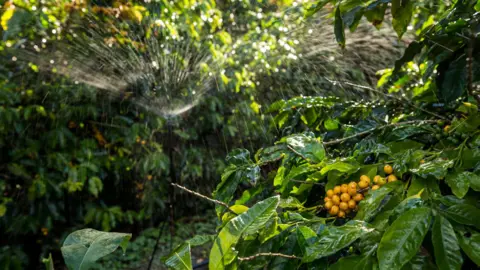
Sarah Sampaio runs a small coffee business that grows coffee beans in the shade of trees, using a method called agroforestry – or agriculture that helps cultivate forests.
She works with around 200 farming families in the Apui region, which has one of the highest rates of deforestation.
 Capozoli
“We plant native Amazon trees and coffee together. The trees shade the coffee trees and the farmers can also grow their own food around these plants,” she says.
“When the coffee tree dies, the trees remain like the forest, which helps restore the Amazon.”
The fresh brew I’m given has a light, fruity taste, and she’s proud that three of her coffees were selected among Brazil’s 30 best in the national Coffee of the Year competition.
“If we want to stop more trees being cut down, we need to offer people an alternative income and a sustainable lifestyle,” says Sarah.
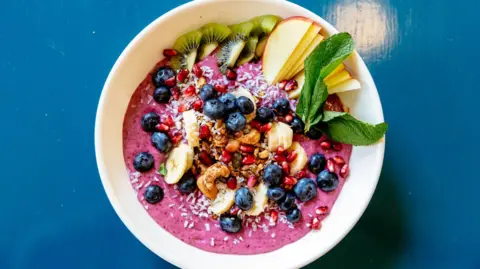
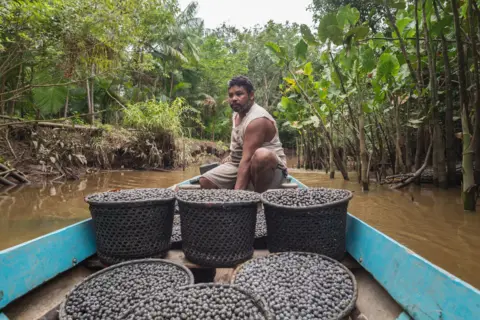
Whatever the next Amazon superfood is, it will have to rival açaí. The purple berry is grown and consumed in large quantities in northern Brazil and sold for almost £10 ($13) per smoothie bowl in parts of London.
 Getty Images
Damien Benoit sells açaí ice cream in Europe. “It is very rich in antioxidants, fiber and unsaturated fatty acids, as well as different minerals which make it very popular among athletes,” he says.
He works with families who keep four hectares of acai plants in the forest “with a minimum number of species per hectare that must be monitored.”
“We make sure that children go to school and gender equality is a major subject for us,” he says.
These small businesses alone cannot feed millions of people and, until now, have thrived on grants or capital from charities and funds that invest in businesses aimed at protecting nature.
 Capozoli
And questions arise about how far they can be expanded.
If açaí production were expanded to many industrial-sized plantations, it could start to pose exactly the same problems that people like Damien are trying to solve.
But there’s a reason the word “bioeconomy” is plastered all over the UN climate negotiations.
“We need to move away from a world dependent on fossil fuels – that’s clear,” says Ana Yang, director of the Center for Environment and Society at Chatham House.
“And if we don’t have bio-based solutions, we won’t be able to achieve this,” she says.
It is by no means a silver bullet to the problem of how to replace fossil fuels with clean energy and use land in a way that protects nature.
Brazil has also promised to quadruple the use of biofuels, which may be controversial, by 2035. Biofuels such as ethanol are often touted as a substitute for fossil fuels, but they can lead to deforestation as demand increases for crops to be burned to make the fuel.
Some fear this could lead to unsustainable extraction of timber or sugarcane for export abroad and burning, as well as the theft of indigenous peoples’ land.
Ms Yang believes it is essential to put in place safeguards such as strict regulations.
“Not all bio-based transitions are good,” she says.
“If they lead to the destruction of natural habitat or if they don’t have good social practices, then that doesn’t solve the original problem.”


