Laptop makers embraced AI. Then Microsoft left them hanging


A few months ago, Microsoft announced that every Windows 11 PC would be an “AI PC”, even those without Copilot+. So why was everyone promoting Copilot+ AI PCs at CES 2026? The industry has finally caught up to Microsoft’s Copilot+ requirements – with a strong NPU push from Intel in particular – but Microsoft hasn’t explained why we should care.
I saw a wave of Copilot+ PCs at CES 2026, but it felt like they were pursuing an AI PC strategy that Microsoft has already abandoned. With Microsoft now downplaying the importance of NPUs and few apps taking advantage of them, the big NPU push doesn’t seem very significant. This is especially true since Windows AI Foundry will use GPUs and CPUs for AI applications instead of NPUs, as the initial Copilot Runtime did.
NPUs seem less necessary to the future of AI on Windows, although they are starting to appear everywhere. Did Microsoft get distracted as its PC hardware partners crossed the finish line?
At CES 2026, NPUs finally feel fast enough
When Microsoft unveiled Copilot+ PCs, the company needed NPUs capable of performing at least 40 trillion operations per second (TOPS).
This was a big blow for Intel. Most Intel-powered machines come with NPUs capable of 13 TOPS at best, with the exception of Lunar Lake-powered machines with NPUs capable of 48 TOPS. 2024 was “the year of the AI PC,” but even in 2025, most laptops I reviewed couldn’t muster the specs needed for AI features on Windows 11.
I spoke to the PC maker’s PR people who showed me the new laptop releases I reviewed last year. “And it’s a Copilot+ PC,” they say proudly. It seems they have finally met the requirements.
The NPUs everyone is talking about at CES
Intel’s Core Ultra Series 3 (Panther Lake) hardware is the big breakthrough at this year’s CES, given that Intel was previously way behind in NPUs. Core Ultra Series 3 has a 50 TOPS NPU and also promises big multithreaded performance improvements, but we’ll have to run our own benchmarks to see how significant an upgrade this is in practice.
Even though Intel’s Lunar Lake hardware was compatible with Copilot+ PC, it was severely limited in terms of multithreaded performance, which meant that an Intel laptop had no hope of running Copilot+ PC features unless you were willing to make big performance sacrifices and prioritize low power consumption and long battery life.
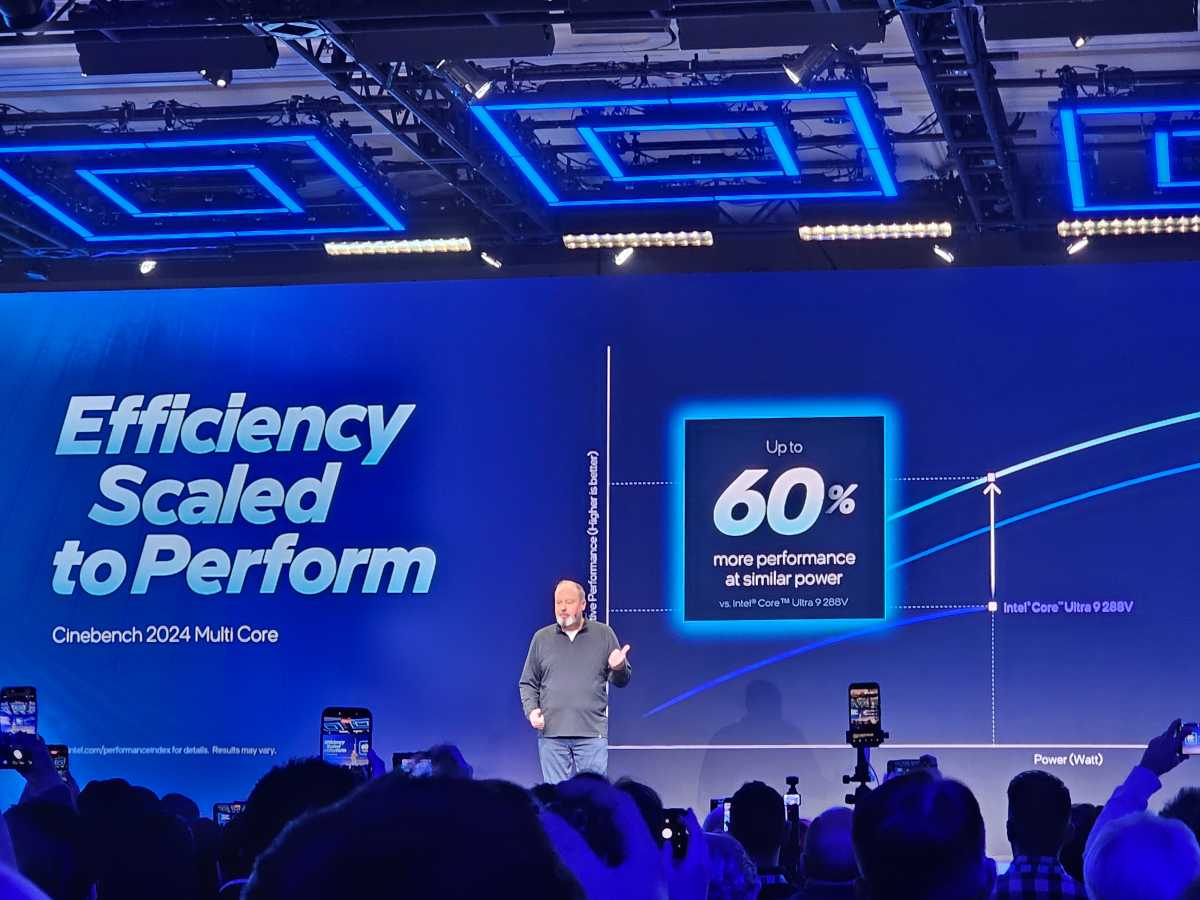
Foundry / Mark Hachman
AMD’s Ryzen AI 400 series hardware features an NPU capable of 60 TOPS, and it will be available on laptops and desktops. While AMD has been offering capable NPUs for some time, unlike Intel-based laptops, this is an increase over the 50 TOPS NPUs in the Ryzen AI 300 series. However, with so few applications taking advantage of the NPU, this 10 TOPS increase won’t be noticeable to the average laptop buyer, even if it looks like an upgrade on a spec sheet.
Qualcomm is extremely proud of its TOPS speeds, pointing out that Qualcomm Hexagon NPUs on Snapdragon X2 Elite and Snapdragon X2 Plus hardware deliver 80 TOPS of performance. Qualcomm’s Snapdragon But as was the case with Copilot+’s flashy PC launch, there’s still no good argument for NPUs.
All of these new processor platforms now provide fully capable NPUs that will end up in laptops from every major PC maker. By 2026, Copilot+ PC compatible NPUs will finally become much more common. But does it matter?
All Windows 11 PCs are now AI PCs
Last October, Microsoft revealed plans to make every Windows 11 PC an AI PC. Here is what Yusuf Mehdi told journalists at the time:
“We’ve done all these years of work that has allowed us to understand what is the right way to introduce AI. We learned a lot from it – you know, what features resonate. And one of the big things that I think really came home to us is that while Copilot+ PCs are really the tip of the spear and gaining, you know, rapid traction, the most important thing was to bring this AI capability to all Windows 11 PCs and make it very simple so that everyone can trying it. So that was the most important thing.
As we turn the corner and head towards 2026, it doesn’t seem like Microsoft is that excited about NPUs anymore! And that’s without even mentioning Windows AI Foundry. Developers can use it to write AI applications that perform inference on GPUs, CPUs, or NPUs. It replaces the Copilot Runtime, which required an NPU on Copilot+ PCs.
Copilot+ PC features haven’t taken over the world
I was in a Lyft earlier this week in Las Vegas. After asking me what I did for a living, the driver mentioned that he was still using Windows 11. “There’s probably a newer version now, right?”
No, I explained: Windows 11 is always the latest version. You get additional AI features if you have a newer PC, but only on select newer PCs.
On these Copilot+ PCs, you do not benefit from additional Copilot features. Instead, you get minor features like Windows Studio Effects webcam effects, image generation in the Photos app, Windows Recall to find your PC usage, and Click To Do to perform basic actions on text.
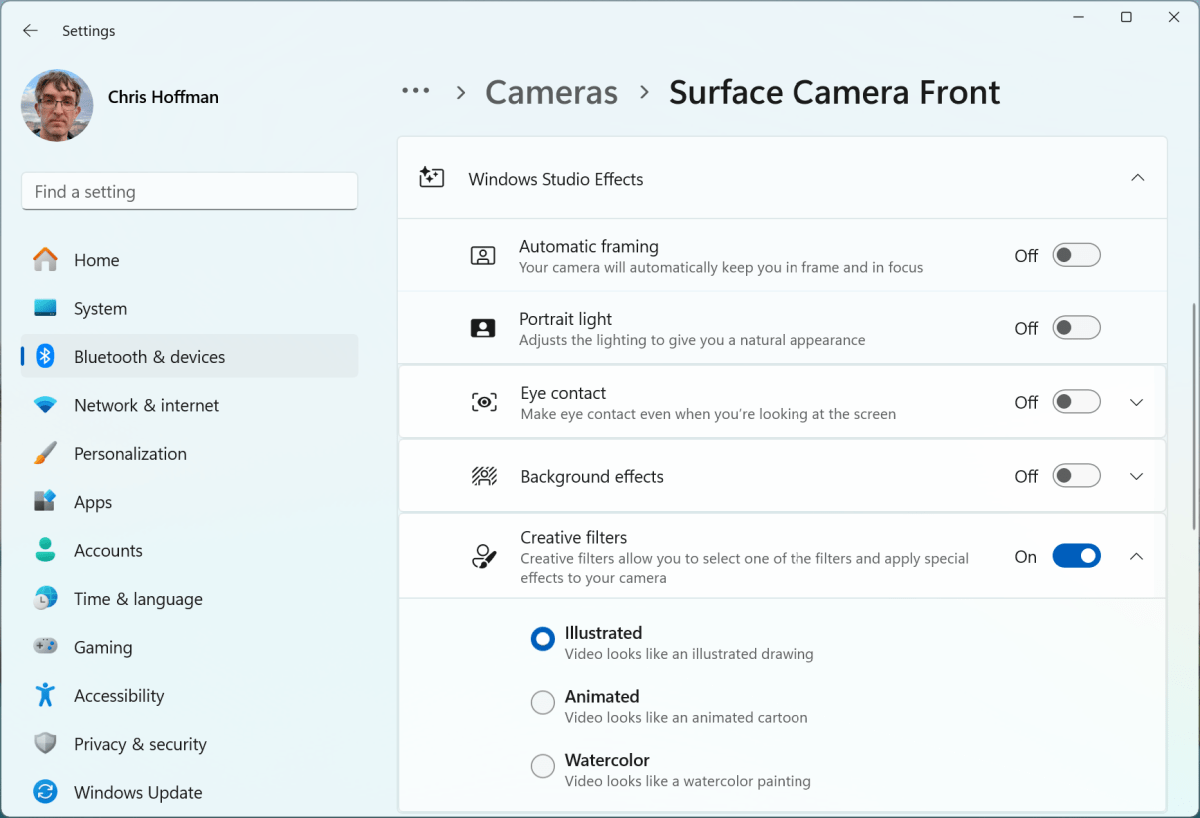
Chris Hoffman / Foundry
Based on Microsoft’s talk about bringing more AI features to all Windows 11 users, I don’t expect NPUs to become the crown jewel of the Windows AI experience in the future. If anything, I expect the opposite: I can imagine a Windows 11 update that brings Copilot+ PC features to a wider variety of machines, allowing your PC’s GPU to power features like image generation and text summarization. That’s what I hope to see.
Microsoft should never have required NPU for Copilot+ PC features. Even my $3,000 gaming PC still can’t run Copilot+ PC’s AI features, which is surprising considering that a fast, discrete GPU is still the best way to run more “serious” AI tools like LM Studio.
Further reading: The 10 Best Laptops at CES 2026