Mystery medical episode that left astronaut unable to speak shows one of NASA’s biggest risks as moon missions ramp up


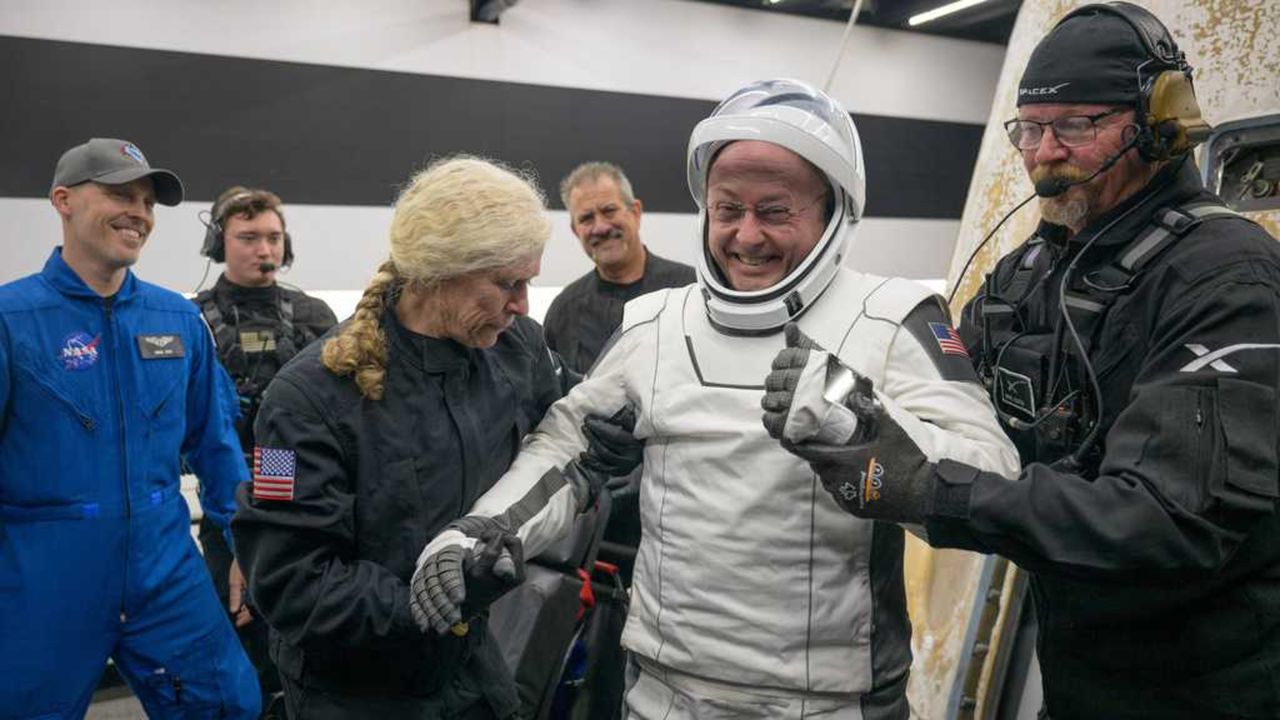
As NASA prepares to send four astronauts the moon for 10 days Artemis II MissionThe unexplained illness of an orbiting space veteran highlights one of the biggest risks of deep space travel: the need for medical systems in an emergency.
NASA astronaut Michael Fincke said a sudden episode aboard the International Space Station (ISS) in January left him unable to speak and forced NASA to speak out for the first time. medical evacuation of the orbiting laboratory. Doctors ruled out a heart attack, Fincke told the Associated Pressbut they still don’t know what caused the medical problem.
NASA managed to return Fincke (along with the other three crew members) to Earth relatively quickly from the ISS. But that may not be the case for the longer lunar missions the agency envisions under the Artemis program. As NASA works to build a sustainable human presence on and around the Moon – including plans for a A $20 billion moon base – unexplained medical events like Fincke’s may become more difficult to dismiss as one-off alerts.
Article continues below
“It was completely unexpected. It was incredibly fast,” Fincke said, according to the Associated Press. “My teammates clearly saw that I was in distress. All hands were on deck in just a few seconds.”
Fincke, the pilot of NASA’s SpaceX Crew-11 mission to the ISS, flew alongside NASA astronaut Zena Cardman, Japan Aerospace Exploration Agency astronaut Kimiya Yui and Roscosmos cosmonaut Oleg Platonov. Crew-11 conducted research on astronaut health and other space station science while contributing to the operation of the orbiting laboratory.
The episode aired on January 7, 2026, while Fincke was having dinner after preparing for a spacewalk. He said he felt no pain and the event lasted about 20 minutes. Seeing Finke’s distress, his teammates quickly called the flight surgeons back to Earth.
Fincke had been on the mission for more than five months when the medical problem arose. NASA used the station’s ultrasound machine during the emergency, he said, and the agency is now reviewing astronauts’ medical records to see if anything similar happened in space.
The incident shortened Crew-11’s mission as NASA canceled the next day’s spacewalk and flew Fincke and his three crewmates home early on January 15.
For now, Fincke says he feels good. Artemis II is approaching its schedule Launch date in April 2026and Fincke was never scheduled for this mission – but the medical mystery highlights a key weakness that NASA must overcome before astronauts can live and work safely beyond Earth.
Think you know the history of the moon landings? Find out how quickly you can name all 12 Apollo astronauts in our Moon landing quiz!


