NASA delays Artemis II moon launch after issues during rehearsal


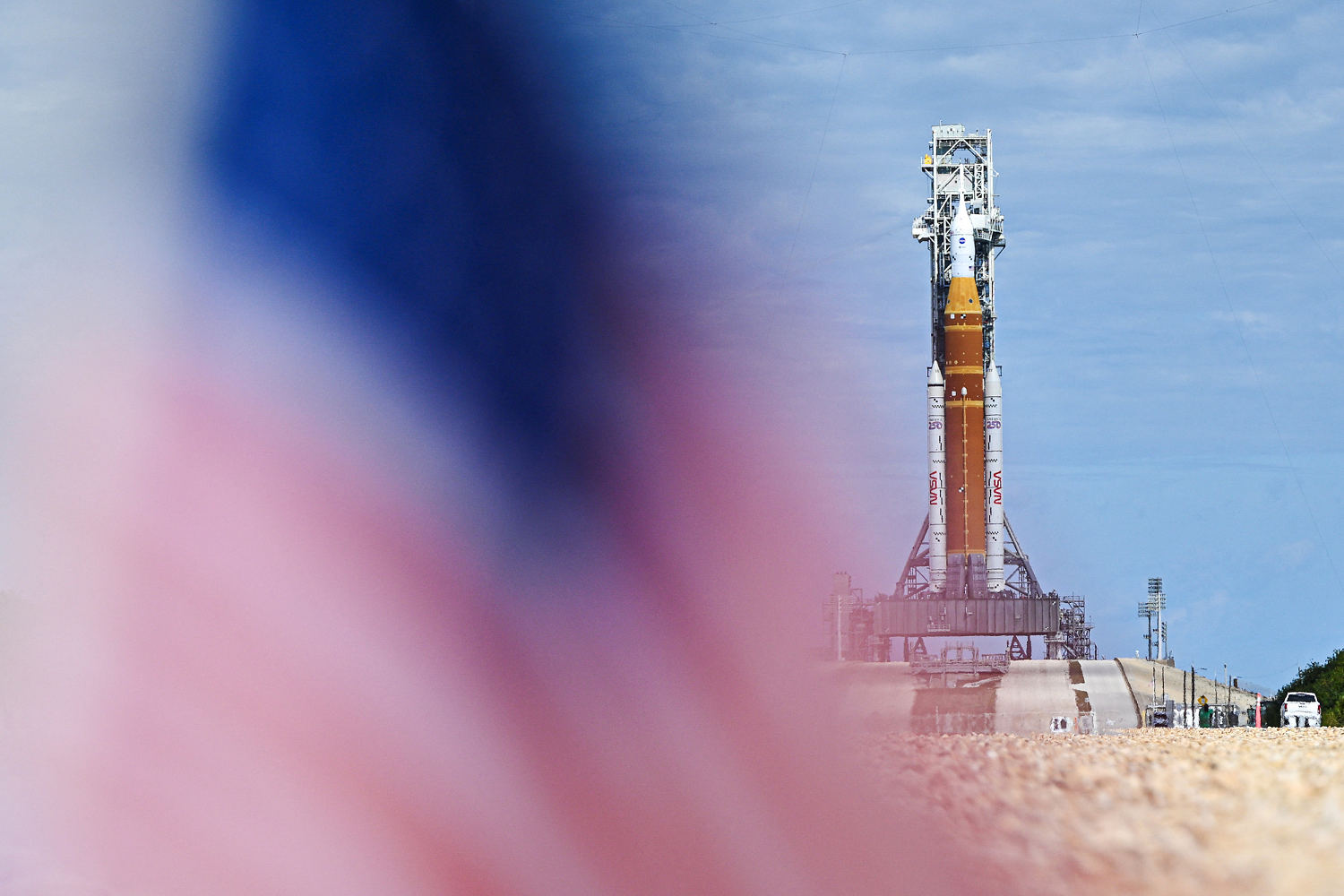
During the refueling process, which began around 12:30 p.m. Eastern on Monday, mission leaders paused procedures twice to investigate a hydrogen leak at the rear end of the rocket.
Although the Orion spacecraft, which sits atop the rocket, was eventually tested and continued, the hydrogen leaks reappeared in the final minutes of the simulated launch countdown.
NASA said systems aboard the rocket, designed to take control of the propellant in the final minutes before liftoff, “automatically stopped the countdown due to a spike in the liquid hydrogen leak rate.”
Additionally, engineers will investigate several audio issues that occurred during the wet dress rehearsal in the communications channels used by ground crews.
The four astronauts scheduled to fly on the Artemis II flight – NASA astronauts Reid Wiseman, Christina Koch and Victor Glover and Canadian astronaut Jeremy Hansen – were scheduled to arrive at the Kennedy Space Center on Tuesday afternoon. They had been in quarantine in Houston since Jan. 21 to protect against exposure to germs before the flight.
But NASA said the astronauts will now be released from quarantine and will not travel to Florida as planned.
Instead, the crew will re-enter quarantine about two weeks before the next targeted launch opportunity, according to the agency.
Artemis II will be the second trip to space for NASA’s Space Launch System rocket and Orion capsule, but the first time they will carry humans.
This highly anticipated launch is expected to represent a crucial step toward achieving NASA’s goal of returning astronauts to the lunar surface.
A previous uncrewed Artemis I flight around the moon in 2022 was delayed by six months due to hydrogen leaks identified during its first wet dress rehearsal.
With humans set to fly for the first time aboard the Space Launch System rocket and Orion capsule, the stakes for the Artemis II flight are high.
“As always, safety remains our top priority, for our astronauts, our workforce, our systems and the public,” Isaacman said on X, adding that NASA “will only launch when we believe we are ready to undertake this historic mission.”


