The Giant Sloths and Armadillos of Prehistoric Texas


Swimming in a flooded, bone-strewn underground cave may sound like a nightmare, but for University of Texas paleontologists, the aquatic spelunking trip uncovered a rich cache of fossils left behind by prehistoric megafauna.
“There were fossils everywhere, just everywhere, in a way I’ve never seen in any other cave,” John Moretti said in a statement. “There were just bones all over the floor.”
Moretti, along with colleague John Young, donned goggles and snorkels to venture into the water cave six times in search of fossils, detailing their findings in the journal. Quaternary Research. There, they discovered bones of giant tortoises, saber-toothed cats, camels, ground sloths, mastodons, and pampatheres, massive armadillos that reached the size of lions.
Read more: “The secret and stressful stories of fossils”
Unfortunately, what made fossil hunting relatively easy (the bones simply sat in the creek bed, ready to be picked) also made dating them difficult. Without a document to study, the researchers had to reconstruct their age from other clues.
While the ground sloth and mastodon lived in forests, the giant tortoise and enormous armadillos needed warmer temperatures. For this reason, researchers say the bones likely came from an interglacial period that occurred 100,000 years ago, when a relatively warm period provided a respite from the frigid temperatures of the Ice Age. Despite excavations in the area for almost a century, this is the first time these fossils have been discovered in the region.
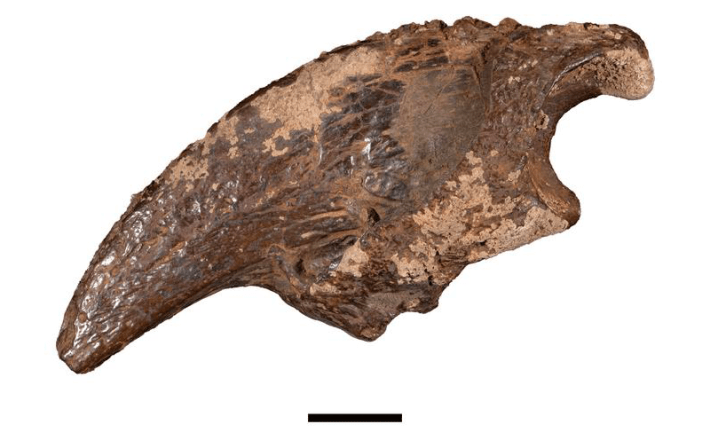
“This site shows us something different, and it’s really important because of all the work that’s been done in this area,” Moretti said. “If it is interglacial in age, it is a new window into the past and into a landscape, environment and animal community that we have never observed in this part of Texas before.”
The site of this particular discovery, Bender’s Cave in Comal County near San Antonio, was located on private property, and Moretti said it was important to have the cooperation of local landowners for future discoveries. “These connections and partnerships make much of the natural science done in Texas possible,” he explained. “It takes everyone’s contribution – not just university scientists – to learn more about the natural world we live in and depend on. »
Central Texas is full of limestone caves like this one, carved out by erosion over millennia, and there may be even more prehistoric fossil treasures just waiting to be discovered. All it takes is a little cooperation and, of course, the courage to venture into a dark, watery tunnel. 
Enjoy Nautilus? Subscribe for free to our newsletter.
Main image: adapted from a work by Jaime Chirinos


