NASA is preparing for simulated launch of Artemis II mega moon rocket — and it could happen as early as Saturday


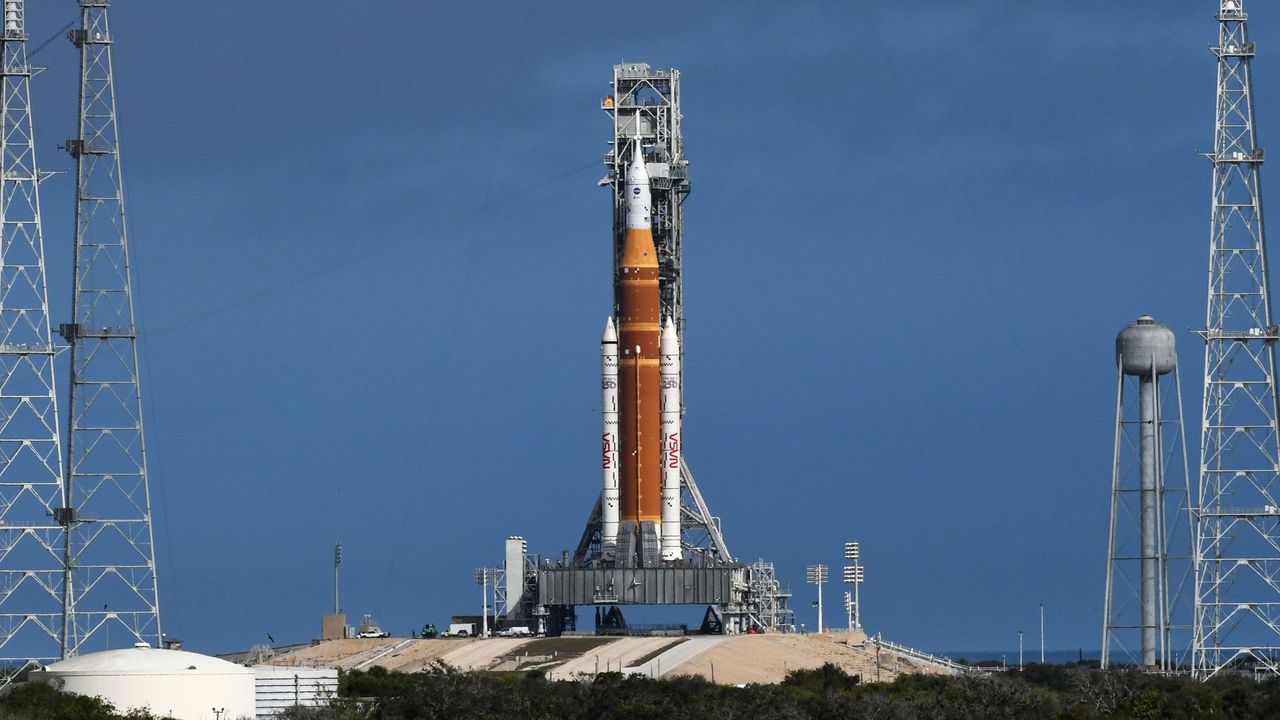
NASA will simulate a test launch of its Artemis II mega-lunar rocket as early as Saturday, January 31, with the space agency announcing its engineers are on track or ahead of schedule.
The Artemis II mission, which could launch from February 6, aims to send humans everywhere the moon in preparation for the next Artemis III mission which will land astronauts on its surface. This is the first time in more than 50 years that NASA has sent humans back to the Moon, and the first time a woman will be part of the crew.
The upcoming simulated test launch is part of the final preparations NASA will follow before confirming a launch date for Artemis II. The simulated launch will be preceded by a “wet dress rehearsal,” during which engineers will test the refueling of the Artemis II rocket.
NASA deployed the mission’s Space Launch System (SLS) and the Orion spacecraft on January 17. The rocket and spacecraft are currently on a launch pad at the Kennedy Space Center in Florida. With a main stage 212 feet high (65 meters) and a total height of 322 feet (98 m) with the Orion crew capsule at the top, the structure is taller than the Statue of Liberty.
During the wet dress rehearsal, the NASA crew will demonstrate their ability to fill the rocket with more than 700,000 gallons (2.6 million liters) of cryogenic propellants. The rehearsal will also include a countdown to the simulated launch, scheduled for 9 p.m. EST. However, testing could continue until around 1 a.m. EST, depending on NASA.
The space agency noted that temperatures in Florida are lower than expected due to the arctic explosion So the technicians currently striking the United States are taking steps to ensure that the environmental control systems keeping the SLS and Orion rocket at the proper temperature can handle the cold.
NASA staff are also working on other issues, including Orion’s drinking water system, whose first samples revealed higher levels of organic carbon than expected. This water system will provide drinking water to the Artemis II crew, according to the space agency.
Artemis II’s four-person crew includes three NASA astronauts: Commander Reid Wiseman, Pilot Victor Glover and Mission Specialist Christina Koch. The fourth member of the crew is Canadian Space Agency astronaut and mission specialist Jeremy Hansen.
The crew began quarantining in Houston on Jan. 23, according to NASA. Astronauts are quarantined before a launch to ensure they do not become infected with diseases that could delay their mission. NASA plans to send the crew to Florida about six days before launch.
THE The Artemis mission has already experienced delays. For example, Artemis I returned to NASA’s Vehicle Assembly Building twice in 2022 following problems during wet dress rehearsals. The rocket finally took off during NASA’s fourth launch attempt in November 2022. As with all spaceflight missions, any date proposed by NASA for a test or launch is subject to change. The potential launch windows for Artemis II extend no later than April 2026.
If Artemis II succeeds in its trip around the Moon, NASA will then have tested the systems and hardware needed to send astronauts on increasingly difficult future missions to the lunar surface and beyond. The space agency plans to establish a lasting presence on the Moon, which it says will serve as a springboard for future missions to March.